

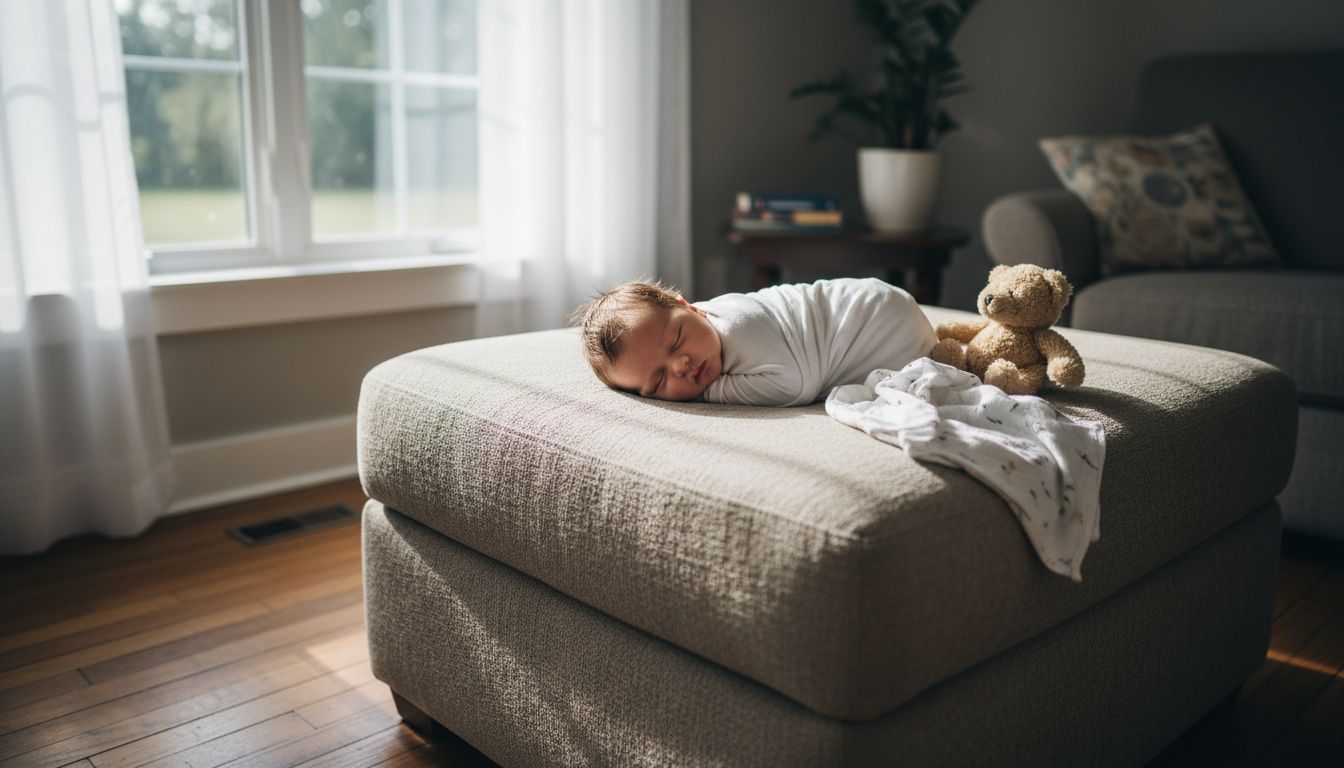
Every parent faces that first photo session with a mix of excitement and nerves, especially when welcoming a newborn into the family. Capturing those early moments in Massachusetts, Connecticut, or Rhode Island means more than snapping pictures—it is about preserving memories while protecting your baby’s sensitive eyes. By focusing on soft, indirect lighting, you can create stunning images that reflect your baby’s true beauty and provide comfort throughout the photoshoot.
Table of Contents
- Defining Optimal Lighting for Newborn Photography
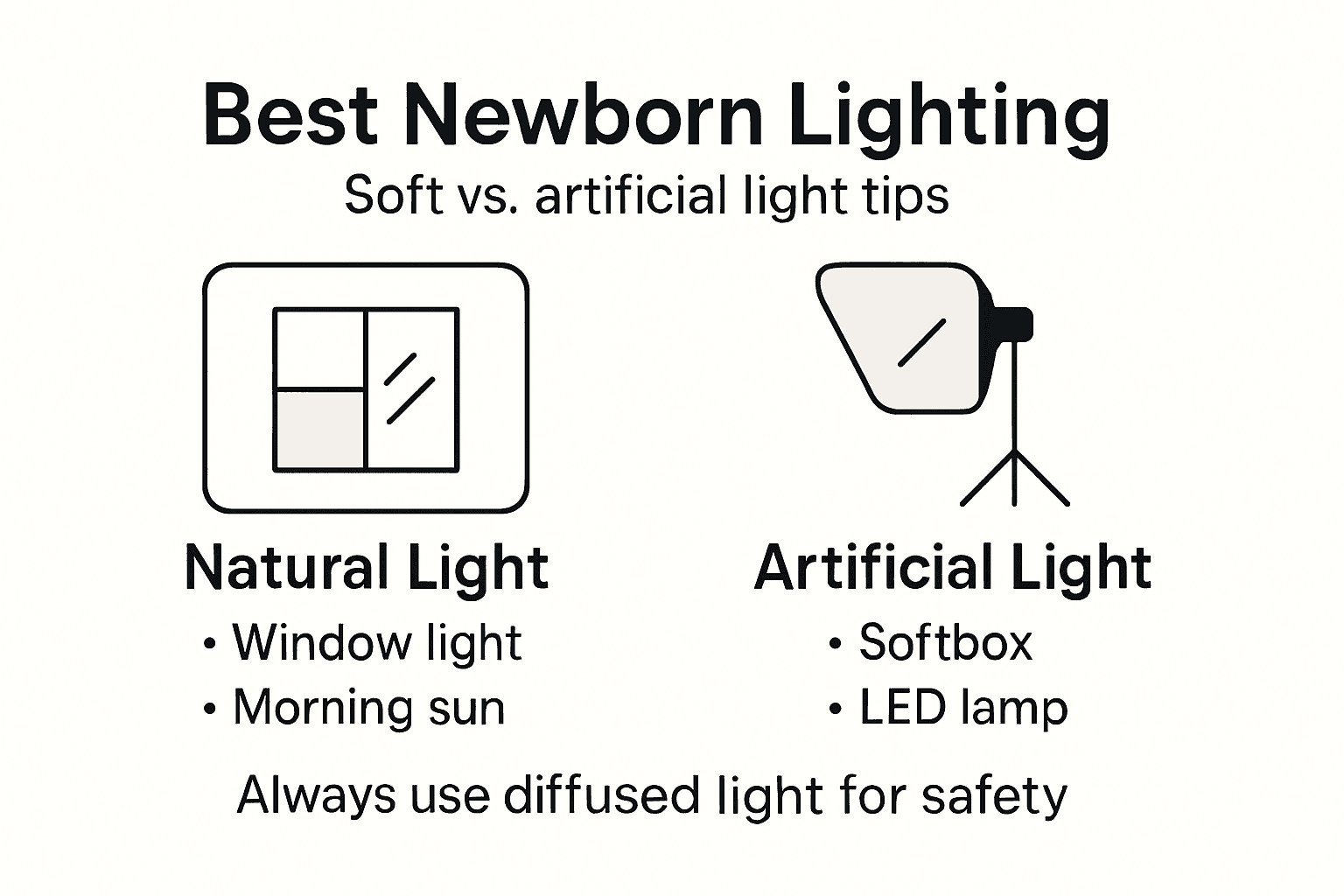
- Natural Light Vs. Artificial Light Approaches
- Key Lighting Setups And Essential Gear
- Safety, Comfort, And Newborn Lighting Risks
- Common Mistakes And Pro Lighting Tips
Key Takeaways
| Point | Details |
|---|---|
| Optimal Lighting | Use soft, diffused natural light to protect newborns’ sensitive eyesight while capturing delicate features. |
| Hybrid Lighting Approach | Combine natural light with controlled artificial light for the best image quality without disturbing the infant. |
| Essential Gear | Invest in equipment like diffusion panels and continuous LED lights to create a comfortable and gentle shooting environment. |
| Safety First | Always prioritize infant safety by avoiding direct light and monitoring temperature during photoshoots. |
Defining Optimal Lighting for Newborn Photography
Photographing newborns requires nuanced understanding of their delicate visual systems and lighting sensitivities. The goal is creating soft, gentle illumination that captures precious moments while protecting the infant’s developing eyesight. Newborn vision characteristics reveal fundamental considerations every photographer must understand.
Optimal newborn photography lighting involves several critical elements:
- Soft, diffused light sources
- Indirect natural illumination
- Minimal direct light exposure
- Controlled color temperature
- Consistent ambient brightness
Natural light provides the most flattering and safest option for infant photography. Soft window light during morning or late afternoon hours creates gentle shadows and warm tones that highlight a newborn’s delicate features. Photographers should position infants near large windows with sheer curtains, which naturally filter and soften incoming light.
Understanding light sensitivity is crucial. Newborns have developing visual systems that cannot tolerate harsh or direct illumination. Soft, indirect lighting prevents eye strain and maintains the infant’s comfort during photoshoots. Professional photographers recommend using reflective surfaces like white walls or light-colored blankets to create natural, even illumination without overwhelming the baby’s visual capabilities.
Pro tip: Position your newborn near north-facing windows for consistently soft, balanced lighting throughout your photoshoot.
Natural Light vs. Artificial Light Approaches
Photographers face a critical decision when capturing newborn portraits: choosing between natural and artificial lighting techniques. Types of light sources reveal nuanced considerations that dramatically impact image quality and infant comfort.
Natural light offers several compelling advantages for newborn photography:
- Soft, diffused illumination
- No additional equipment required
- Consistent color temperature
- Minimal risk of startling the infant
- Authentic, warm tonal qualities
Artificial lighting provides photographers with greater technical control, enabling precise exposure and consistent results regardless of environmental conditions. Studio strobes and continuous LED lights allow photographers to create controlled lighting environments, particularly useful during unpredictable weather or limited daylight hours.
Each lighting approach presents unique benefits. Natural light creates organic, soft images with gentle shadows, while artificial lighting offers predictable, repeatable results. Professional photographers often recommend a hybrid approach, combining natural window light with subtle artificial fill lights to achieve optimal image quality without overwhelming the newborn.
Here’s a quick comparison of natural and artificial lighting approaches for newborn photography:
| Aspect | Natural Light | Artificial Light |
|---|---|---|
| Light Quality | Soft, organic, warm | Controlled, consistent, customizable |
| Equipment Needs | Minimal, basic setups | Requires lighting gear and modifiers |
| Flexibility | Depends on weather, time of day | Usable anytime, in any weather |
| Impact on Infant | Gentle, least disruptive | Safe if diffused and positioned properly |
| Control Over Scene | Limited, less adjustable | Full control over intensity and color |
Pro tip: When using artificial lighting, always test light intensity before the shoot to ensure it remains soft and non-intrusive for the infant.
Key Lighting Setups and Essential Gear
Newborn photography demands precise lighting equipment and strategic setup techniques. Lighting setups for portrait photographers reveal the nuanced approaches professionals use to capture delicate infant moments with exceptional quality.
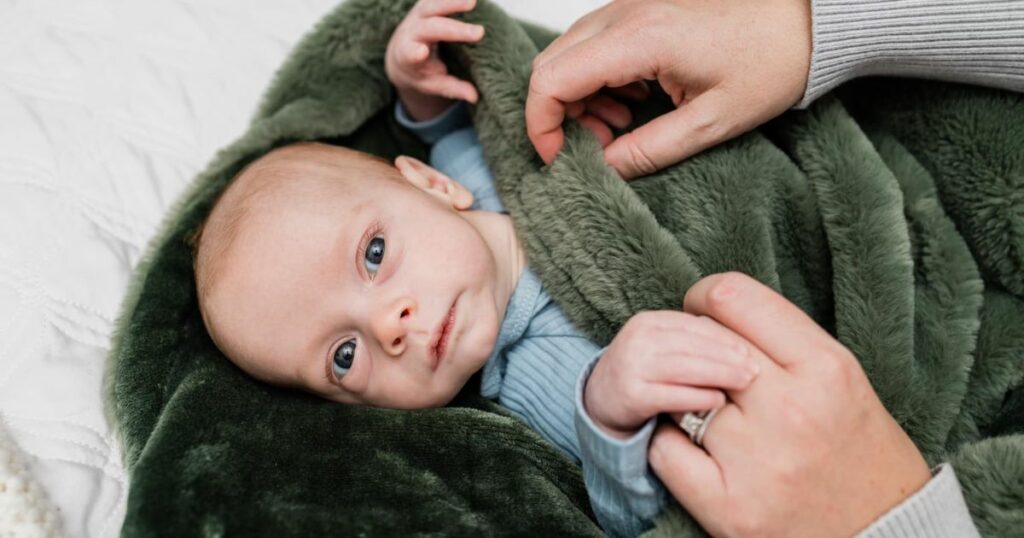
Essential gear for newborn photography lighting includes:
For quick reference, here’s a summary of essential newborn lighting gear and its practical purpose:
| Gear Item | Purpose | Impact on Photos |
|---|---|---|
| Diffusion panel | Softens light and eliminates glare | Produces gentle, flattering shadows |
| Reflector | Bounces light for even coverage | Enhances facial highlights softly |
| Continuous LED light | Provides steady, adjustable light | Maintains calm environment |
| Portable softbox | Diffuses artificial light sources | Creates smooth, natural skin tones |
| White bounce card | Directs fill light subtly | Adds natural brightness to features |
- Soft diffusion panels
- Adjustable light stands
- Continuous LED lights
- Reflectors in neutral colors
- Lightweight portable softboxes
- White bounce cards
- Gentle temperature-controlled light sources
The most effective newborn lighting configurations typically involve three-point lighting systems. This approach uses a primary key light to establish overall illumination, a fill light to soften shadows, and a subtle background light to create depth and separation. Photographers must carefully position these lights to maintain soft, even illumination that complements the infant’s delicate features without creating harsh shadows or uncomfortable brightness.
Professional photographers recommend investing in high-quality, adjustable lighting equipment that allows precise control and gentle light modification. Continuous LED lights with adjustable color temperatures provide the most versatile option, enabling photographers to create warm, soft environments that keep newborns calm and comfortable during photoshoots.
Pro tip: Always test lighting setups before the actual shoot to ensure optimal positioning and infant comfort.
Safety, Comfort, and Newborn Lighting Risks
Photographers must prioritize infant safety and comfort during newborn photography sessions. Newborn care and safety guidelines emphasize the critical importance of creating gentle, non-invasive lighting environments that protect sensitive newborn physiology.
Key safety considerations for newborn photography lighting include:
- Avoiding direct light exposure
- Maintaining low light intensity
- Using soft, diffused light sources
- Monitoring infant’s temperature
- Preventing potential eye strain
- Minimizing potential heat generation
- Ensuring continuous infant comfort
Temperature regulation represents a critical aspect of newborn lighting safety. Photographers must carefully manage light sources to prevent overheating, ensuring that continuous lighting does not create uncomfortable warmth or potential thermal stress for the infant. Professional photographers typically use low-heat LED lights and maintain short shooting intervals to protect newborn well-being.
Clinical research highlights the potential risks of inappropriate lighting, underscoring the need for meticulous approach. Intense or prolonged light exposure can potentially disrupt infant circadian rhythms, cause visual discomfort, and create unnecessary stress. Successful newborn photographers understand that creating a calm, controlled environment requires strategic light management that prioritizes the infant’s physiological and emotional needs.
Pro tip: Position lighting equipment at least three feet away from the infant and use temperature-controlled, low-heat light sources to minimize potential risks.
Common Mistakes and Pro Lighting Tips
Newborn photography lighting requires precision and careful attention to detail. Physical assessment of newborn behavior/23%3A_Newborn_Assessment/23.02%3A_Physical_Assessment_of_the_Newborn) reveals critical insights into avoiding potential lighting mistakes during infant photoshoots.
Common lighting mistakes photographers frequently encounter include:
- Using harsh, direct lighting
- Positioning lights too close to the infant
- Neglecting temperature monitoring
- Overlooking infant’s comfort signals
- Creating excessive light intensity
- Ignoring color temperature variations
- Failing to use soft diffusion techniques
Behavioral observation represents a crucial skill for preventing lighting-related discomfort. Experienced photographers learn to read subtle infant cues that indicate potential distress, such as squinting, turning away, or increased restlessness. These signals suggest the need for immediate lighting adjustments to maintain the infant’s comfort and prevent potential physiological stress.
Professional photographers develop sophisticated strategies to mitigate lighting risks. This includes using multiple diffusion layers, maintaining significant distance between light sources and the infant, and employing continuous low-heat LED lights that provide gentle, consistent illumination. Mastering these techniques requires understanding the delicate balance between capturing beautiful images and preserving the newborn’s sensory well-being.
Pro tip: Always conduct a preliminary lighting test without the infant present, using a soft doll to simulate positioning and assess potential light intensity and coverage.
Capture Your Newborn’s Precious Moments with Expert Lighting
Mastering the best lighting for newborn photography can feel overwhelming. This article highlights common challenges such as avoiding harsh direct light, ensuring soft, diffused illumination, and maintaining infant comfort throughout the shoot. Achieving gentle natural light that showcases your baby’s delicate features while respecting their sensitive vision is key to creating timeless images.
At Jodi Blodgett Photography, we specialize in crafting serene newborn photo sessions using carefully controlled natural light techniques tailored to protect and highlight your little one’s unique beauty. Our approach perfectly balances soft window illumination with professional lighting setups so that each photograph tells a heartfelt story without compromising safety or comfort.
Uncategorized | Jodi Blodgett Photography features insights and tips that deepen your understanding of lighting design. Ready to experience a newborn session that respects your baby’s needs while delivering stunning, timeless portraits Visit Jodi Blodgett Photography and book your personalized session today.

Bring the gentle light your newborn deserves to life now. Connect with us to preserve these irreplaceable first moments in the calmest, most radiant way possible.
Frequently Asked Questions
What type of lighting is best for newborn photography?
Natural light is ideal for newborn photography as it provides soft, diffused illumination that is gentle on a baby’s developing eyes. Positioning infants near large windows with sheer curtains can help create the perfect soft light.
How can I ensure my lighting setup is safe for newborns?
To ensure safety, avoid direct light exposure, maintain low light intensity, and use soft, diffused light sources. Also, keep lighting equipment at least three feet away from the infant to minimize heat and potential discomfort.
What are the advantages of using artificial lighting for newborn photography?
Artificial lighting allows for greater control over exposure and consistency regardless of environmental conditions. It enables photographers to create a stable lighting environment, especially in low-light situations, while still maintaining a soft and gentle quality with proper diffusers.
How can I prevent common lighting mistakes during a newborn photoshoot?
To prevent mistakes, avoid using harsh or direct lighting, position lights at a safe distance, and respond to the infant’s comfort cues. Testing the lighting setup with a soft doll before the shoot can also help ensure proper intensity and coverage.