

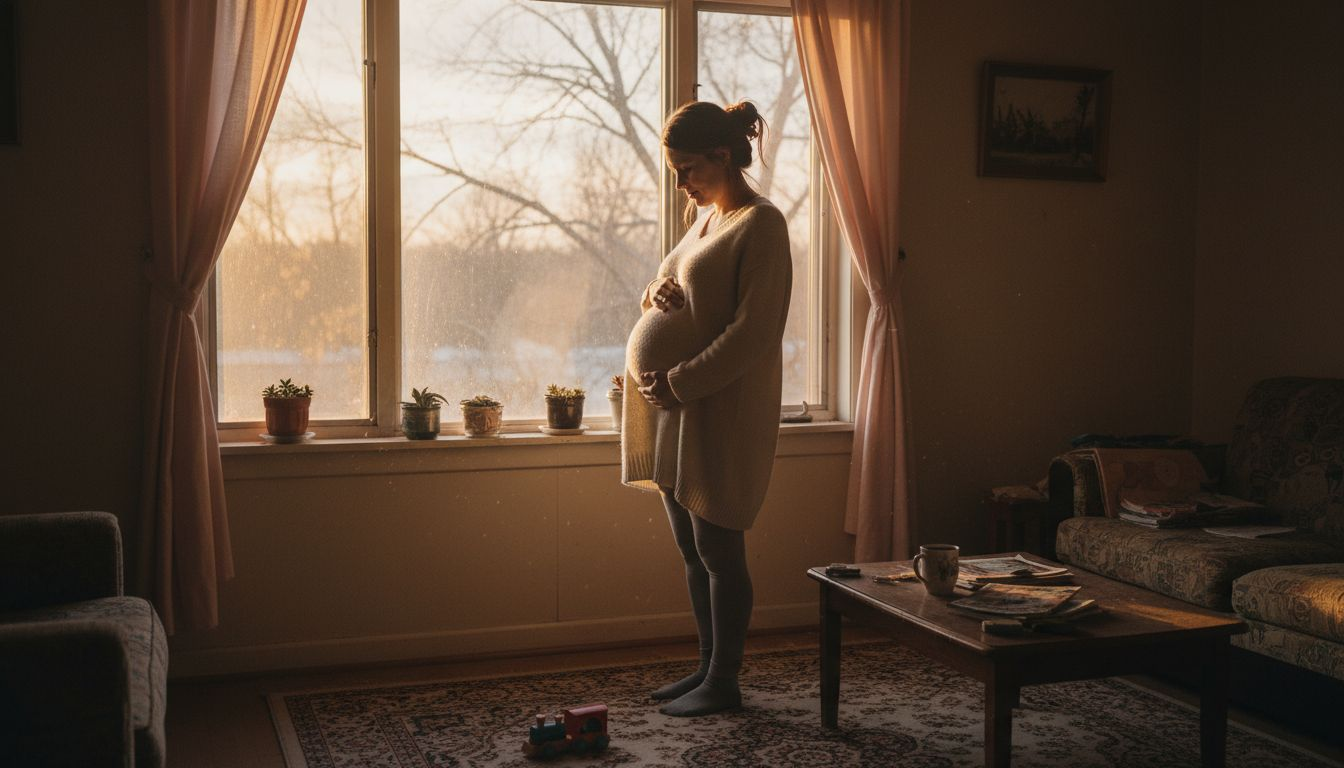
Every expecting parent dreams of timeless photos that capture the warmth and emotion of their growing family in Massachusetts. Choosing the right time of day means more than just convenience—natural light can dramatically shape the mood, color, and intimacy of every image. By understanding how light direction, intensity, and color temperature set the emotional tone, you can help create vibrant, authentic portraits that will truly stand out in your family’s memories.
Table of Contents
- Understanding The Impact Of Natural Light
- Golden Hour Versus Other Lighting Options
- Seasonal And Weather Effects On Photo Timing
- Indoor Sessions: When Natural Light Shines
- Safety And Comfort Considerations For Families
Key Takeaways
| Point | Details |
|---|---|
| Natural Light Characteristics | Understanding light direction, intensity, and color temperature is essential for creating impactful maternity and newborn portraits. |
| Golden Hour Benefits | Utilizing natural golden hour light offers warmth and minimizes post-processing needs, adding depth to portraits. |
| Indoor Session Strategies | Position subjects near large windows and utilize neutral backgrounds to maximize the effects of natural light indoors. |
| Safety and Comfort Protocols | Prioritize the comfort and safety of newborns by maintaining appropriate temperatures and adhering to hygienic practices during sessions. |
Understanding the Impact of Natural Light
Natural light serves as a photographer’s most powerful and nuanced tool for capturing emotionally resonant maternity and newborn portraits. Unlike artificial lighting, natural light offers an organic, soft quality that highlights the delicate beauty of these precious moments. Understanding light’s fundamental characteristics reveals how photographers can transform ordinary scenes into extraordinary memories.
Photographers must consider three critical aspects of natural light when crafting maternity and newborn portraits:
- Light Direction: Determines depth and dimensionality
- Light Intensity: Influences mood and emotional tone
- Color Temperature: Affects overall image warmth and feel
The strategic positioning of subjects relative to natural light sources can dramatically impact image quality. Side lighting, for instance, creates beautiful shadows and depth, while front lighting provides even, flattering illumination. Soft natural light – often found during overcast days or during golden hour – produces the most gentle and appealing results for intimate portraits.
Technical understanding meets artistic vision when photographers learn to manipulate natural light’s physical behavior. By observing how light reflects, diffuses, and casts shadows, professionals can guide viewer attention and create images that feel both authentic and emotionally compelling.
Pro tip: Position your subjects near large windows or in open shade to capture soft, flattering natural light that minimizes harsh shadows and highlights natural skin tones.
Golden Hour Versus Other Lighting Options
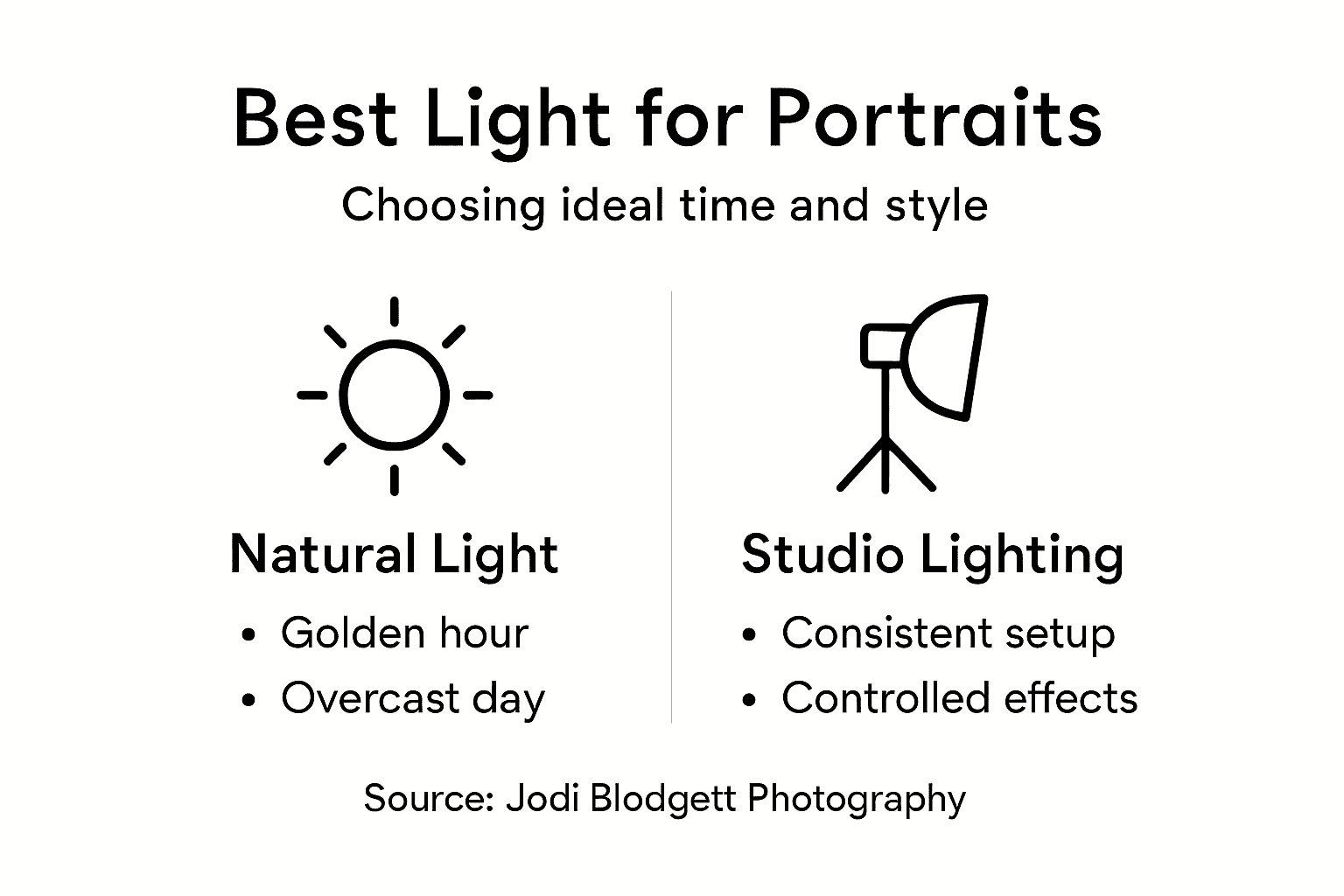
Photographers face a critical decision when selecting lighting for maternity and newborn portraits: whether to embrace the magical golden hour or rely on more controlled studio environments. Balancing artistic goals with practical safety requires understanding the unique characteristics of each lighting approach.
Natural golden hour lighting offers distinct advantages for portrait photography:
- Warm, soft light that creates gentle skin tones
- Natural shadows that add depth and dimension
- Atmospheric golden-amber color palette
- Minimal post-processing required
Studio lighting, by contrast, provides photographers with predictable and consistent conditions. Controlled environments allow for precise positioning, temperature management, and reduced external variables that might impact a delicate newborn portrait session. This approach ensures maximum comfort and safety for both infant and photographer.
While golden hour presents extraordinary aesthetic opportunities, professional photographers must carefully evaluate specific circumstances. Outdoor sessions demand careful planning, considering factors like infant comfort, weather conditions, and precise timing. Indoor studio settings offer more reliability and control, particularly for very young or sensitive newborns.
Here is a comparison of golden hour natural light and studio lighting for portrait sessions:
| Aspect | Golden Hour Natural Light | Studio Lighting |
|---|---|---|
| Aesthetic Appeal | Warm, soft, flattering glow | Consistent, easily controlled |
| Reliability | Weather and timing dependent | Reliable in any condition |
| Comfort/Safety | May involve outdoor variables | Maximized comfort and stability |
| Post-Processing | Minimal editing often needed | May require more color adjustment |
Pro tip: Consider hybrid approaches that combine golden hour’s natural beauty with studio lighting’s reliability by scheduling sessions during soft, indirect natural light periods near large windows.
Seasonal and Weather Effects on Photo Timing
Maternity and newborn photography demands a nuanced understanding of how seasonal lighting variations dramatically impact image quality. Each season brings unique atmospheric conditions that can transform the emotional tone and visual aesthetic of a portrait, making timing an essential consideration for photographers seeking to capture truly memorable images.
Key seasonal characteristics that influence photography include:
- Winter’s low sun angles creating dramatic, directional light
- Spring’s soft, diffused illumination from overcast skies
- Summer’s intense, vibrant color saturation
- Autumn’s warm, golden-amber atmospheric tones
Weather conditions play an equally critical role in determining photographic outcomes. Overcast days provide soft, even lighting that minimizes harsh shadows, while bright sunny environments create high-contrast scenes that can be challenging for delicate newborn portraits. Atmospheric elements significantly alter lighting intensity and emotional resonance, requiring photographers to adapt their techniques dynamically.
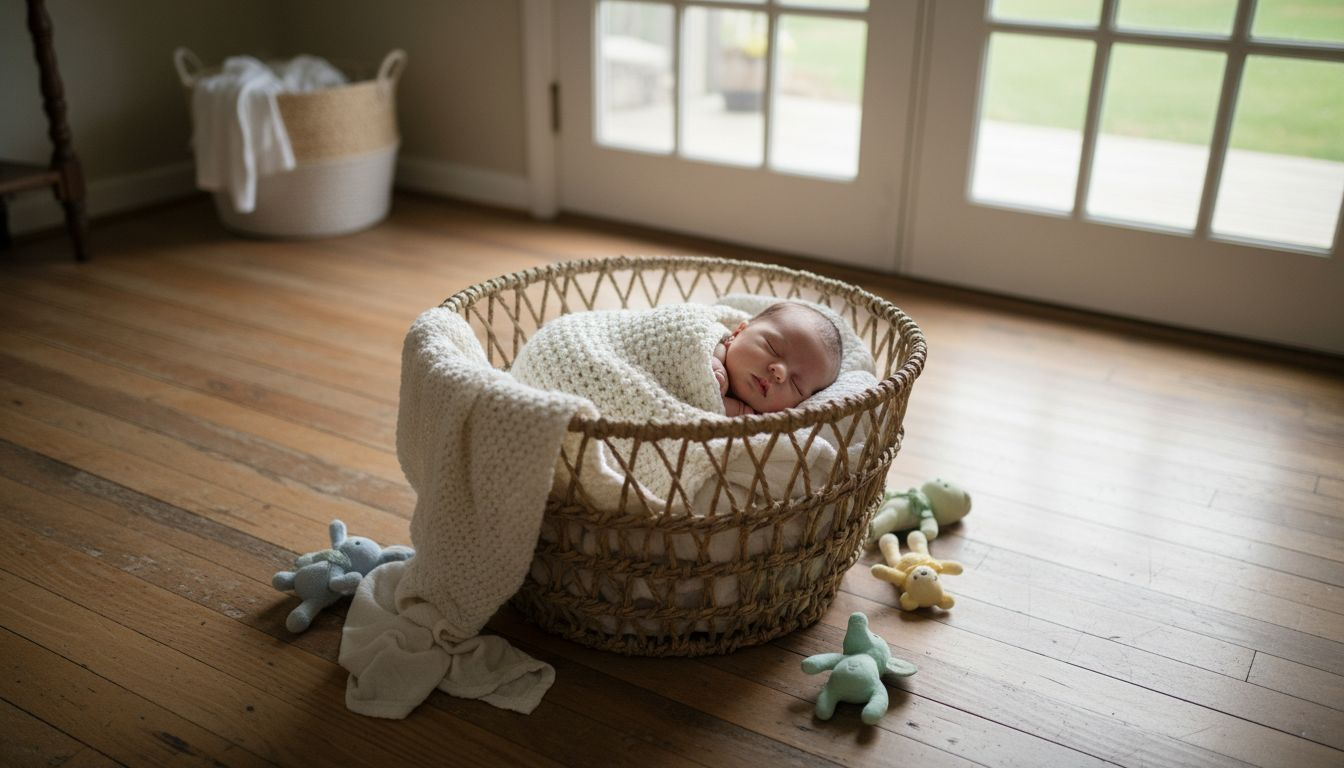
Successful seasonal photography requires careful planning and flexibility. Professional photographers must anticipate potential environmental challenges, have backup locations or studio alternatives, and understand how different times of day interact with seasonal light patterns. This approach ensures consistent, high-quality images regardless of external conditions.
This summary highlights how each season impacts indoor and outdoor portrait photography:
| Season | Indoor Light Advantage | Outdoor Photo Style |
|---|---|---|
| Winter | Reflective, cooler window light | Dramatic, low-angle sunlight |
| Spring | Soft, balanced window effects | Gentle, pastel backgrounds |
| Summer | Intense, strong window rays | Vivid, high-saturation color |
| Autumn | Warm, pleasing golden light | Rich, amber-toned imagery |
Pro tip: Scout potential outdoor and indoor locations during different seasons to understand how natural light behaves and create a comprehensive shooting strategy that adapts to changing environmental conditions.
Indoor Sessions: When Natural Light Shines
Photographers seeking to create intimate, emotionally resonant maternity and newborn portraits have a powerful ally in natural window light techniques. Indoor sessions offer controlled environments where soft, diffused illumination can transform ordinary moments into extraordinary memories.
Key strategies for maximizing indoor natural light include:
- Position subjects near large windows
- Turn off artificial overhead lighting
- Use neutral, soft fabric backgrounds
- Adjust camera settings for low-light conditions
Window placement becomes critical in creating stunning indoor portraits. Professional photographers recommend positioning subjects perpendicular to windows, allowing soft light to gently sculpt facial features and create subtle, flattering shadows. Careful light positioning creates depth and emotion in images that feel authentic and warm.
Modern camera technology provides additional support for indoor natural light photography. High ISO capabilities allow photographers to capture beautifully illuminated images even in softer lighting conditions, ensuring that every delicate detail and tender moment is preserved with remarkable clarity.
Pro tip: Experiment with different window locations throughout your home during various times of day to discover the most flattering natural light for your indoor portrait session.
Safety and Comfort Considerations for Families
Ensuring the safety and comfort of newborns during photography sessions requires meticulous attention to detail and comprehensive safety protocols. Every decision, from studio temperature to handling techniques, directly impacts the baby’s wellbeing and the quality of the photographic experience.
Critical safety considerations include:
- Maintaining studio temperature between 75-80°F
- Using spotters during complex poses
- Providing continuous head and neck support
- Sanitizing all equipment and props
- Allowing frequent feeding and calming breaks
Hygienic practices play a crucial role in protecting newborns during portrait sessions. Professional photographers prioritize constant communication and vigilance to create a secure environment that keeps infants calm and parents reassured. This includes maintaining clean hands, using sanitized props, and ensuring photographers and parents remain within arm’s reach throughout the session.
The emotional comfort of the family is equally important as physical safety. Experienced photographers understand that a relaxed, patient approach allows for natural expressions and genuine moments. By respecting the baby’s signals and creating a low-stress environment, professionals can capture authentic, tender portraits that families will cherish for generations.
Pro tip: Always discuss safety protocols with parents beforehand and create a flexible session plan that prioritizes the infant’s comfort and well-being.
Capture Your Maternity and Newborn Moments in Perfect Light
Choosing the best time of day to photograph your maternity and newborn portraits can feel overwhelming. This article highlights the challenge of mastering natural light’s direction, intensity, and color temperature to create emotional and authentic images. Whether you desire the warm glow of golden hour or the soft illumination from a large window, understanding light is key to preserving these once-in-a-lifetime moments.
At Jodi Blodgett Photography, we specialize in using natural light to bring out the genuine emotion in your portraits. Our professional approach blends artistic vision with safety and comfort to ensure every session feels relaxed and personalized. Discover more about our unique style and services on our Uncategorized page, then see how we capture light and love beautifully in each photo.

Don’t wait to create timeless maternity and newborn portraits that reflect your family’s story. Visit Jodi Blodgett Photography today and book your personalized session. Your memories deserve the perfect light and professional touch!
Frequently Asked Questions
What is the golden hour, and why is it significant for maternity and newborn portraits?
The golden hour refers to the period shortly after sunrise and before sunset when natural light is soft and warm. It is significant for maternity and newborn portraits because it creates flattering skin tones, natural shadows that add depth, and an atmospheric color palette, resulting in visually stunning images.
How can I utilize natural light during indoor photography sessions?
To maximize natural light indoors, position subjects near large windows, turn off artificial lighting, and use neutral, soft fabric backgrounds. This setup allows for soft illumination that enhances facial features and creates a warm, inviting atmosphere in your portraits.
What factors should I consider when choosing the time of day for outdoor portrait sessions?
When choosing the time of day for outdoor portrait sessions, consider the weather conditions, the angle of sunlight, and the comfort of the subject, especially for newborns. Early morning and late afternoon are ideal for capturing soft light. Always plan for potential changes in weather and have backup locations available.
How do seasonal changes affect the quality of maternity and newborn photographs?
Seasonal changes affect light quality due to variations in sun angles and atmospheric conditions. For example, winter offers dramatic light, while spring provides soft illumination. Photographers must adapt their techniques and times of day to capture the best natural light for each season.
Recommended
- Best Lighting for Newborn Photography: Creating Timeless Images | Jodi Blodgett Photography
- 7 Inspiring Couple Maternity Photoshoot Ideas to Try | Jodi Blodgett Photography
- Why Newborn Photos Matter: Complete Guide for Families | Jodi Blodgett Photography
- Maternity Photo Trends 2026: Personalized, Bold, Artistic | Jodi Blodgett Photography