
TL;DR:
- A branding photo checklist is a planning tool that guides entrepreneurs through outfit, shot, prop, and logistics decisions for marketing photos. Proper preparation ensures a focused shoot that produces images aligned with brand goals and usable across multiple channels. Being organized and intentional leads to efficient sessions, high-quality images, and long-lasting marketing assets.
A branding photo checklist is a structured planning tool that covers every decision, from outfit selection to shot categories, needed to produce marketing-ready images that reflect your business identity. Without one, entrepreneurs routinely arrive at shoots underprepared, waste expensive session time, and walk away with photos that don’t serve a clear purpose. The industry term for this type of session is brand photography, and it goes far beyond a standard headshot. A solid checklist covers mood boards, shot lists, wardrobe, props, and day-of logistics. Get these right, and a single two-hour session can fuel months of marketing content.
1. What belongs on a branding photo checklist?
A complete branding photo checklist addresses six core areas: shot list, outfits, props, mood board, location, and day-of logistics. Each area connects directly to your marketing goals. Miss one, and you’ll likely notice the gap when you’re trying to fill a website banner or Instagram grid three weeks later.
The shot list is the backbone. It tells your photographer exactly what you need and prevents you from leaving the session without critical images. Your mood board gives both of you a shared visual language before the camera comes out. Outfits and props translate your brand personality into something the camera can capture. Location sets the tone. Day-of logistics keep everything running on time.
Pro Tip: Share your mood board with your photographer at least one week before the shoot. Sharing 10–20 reference images in advance aligns expectations and saves significant time on the day.
2. How to build a shot list that covers every marketing channel
A shot list is not a wish list. It is a prioritized plan organized by location, outfit, and intended use. Branding photography is distinct from headshots. Headshots show your face. Brand photography shows how you work, what you value, and who you serve.
Build your shot list around five categories:
- Headshots and portraits. Clean, professional images for your website bio, LinkedIn, and press features.
- Lifestyle shots. You in your natural work environment, doing what you actually do.
- Action shots. Working with a client, writing, creating, or presenting. These build trust fast.
- Detail shots. Your tools, products, workspace, or branded materials in close focus.
- Behind-the-scenes shots. The process, not just the result. These perform well on social media.
Organize each shot by which outfit you’ll be wearing and which location it belongs to. A well-planned 2-hour session can cover 8–12 distinct setups. That number drops quickly without a clear shot list.
“Clear usage goals for images transform sessions into effective marketing tools.” — hey-carl.com
Pro Tip: Label each shot with its intended platform (website hero, Instagram post, email header, print brochure). This keeps your photographer focused and ensures you leave with images that actually fit where you need them.
3. Wardrobe choices that hold up over time
Clothing is one of the most overlooked parts of brand photography preparation. The wrong outfit doesn’t just look off on camera. It dates your entire image library within a year.
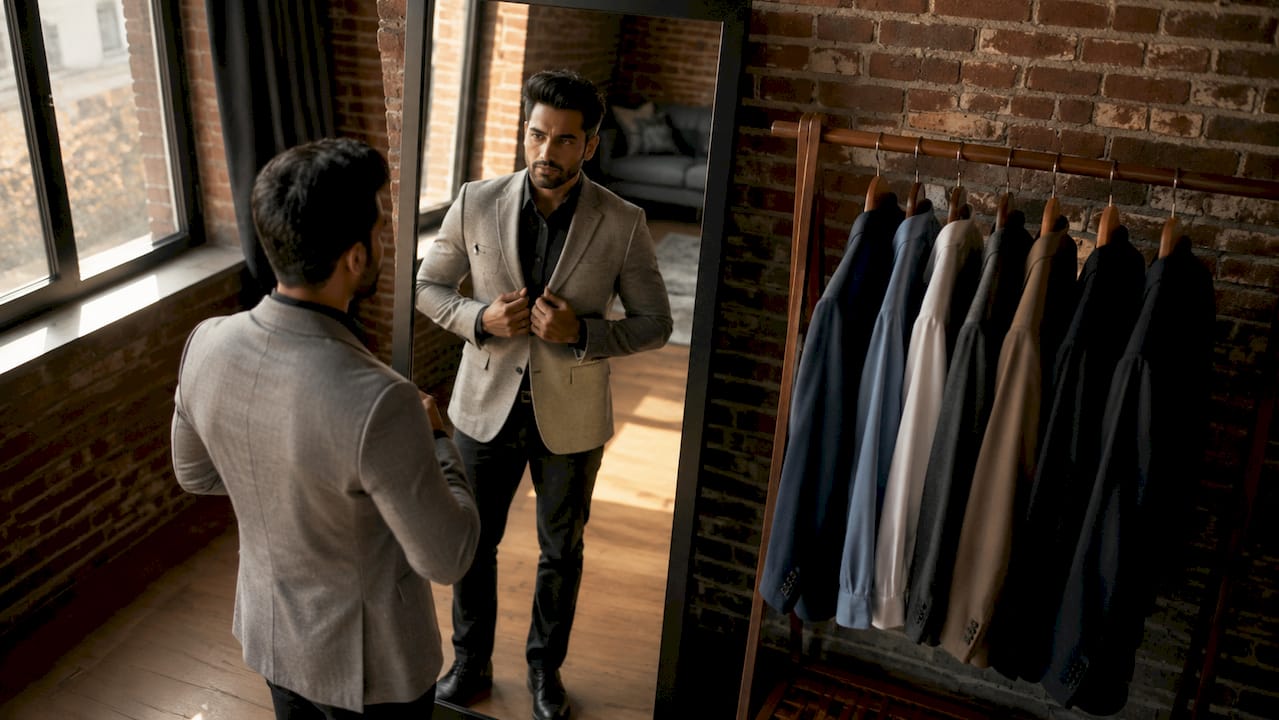
Solid colors and subtle textures keep images looking current for 2–3 years. Busy patterns compete with your face for attention and compress poorly in digital formats. Avoid logos on clothing unless they are your own brand. Neon colors and ultra-trendy silhouettes photograph well today and look dated fast.
Bring 2–3 outfit changes to create variety across your image library without overwhelming the session. Each outfit should represent a different facet of your brand: one polished, one approachable, one that fits your industry’s visual norms. Think of each outfit as a different chapter of the same story.
- Stick to your brand’s color palette when choosing clothing
- Avoid large prints, stripes, and heavily embellished pieces
- Bring a neutral backup option in case your first choice reads differently on camera
- Include one outfit that works for both indoor and outdoor settings
Pro Tip: Steam and organize your outfits at least 48 hours before the shoot. Wrinkles are difficult to remove in post-processing and create unnecessary editing work.
4. Props that tell your brand story
Props are not decoration. Every item in the frame sends a message about who you are and how you work. A laptop, a coffee mug, a notebook, a product sample, or a tool of your trade each adds a layer of context that a portrait alone cannot deliver.
Intentional props add storytelling depth without cluttering the frame. The rule is simple: bring 3–5 props that directly connect to your brand experience. A business coach might bring a planner, a book they recommend to clients, and a branded mug. A florist might bring shears, ribbon, and a signature bloom. Each prop should be something your ideal client would recognize as part of your world.
- Branded materials: business cards, packaging, stationery
- Tools of your trade: camera, laptop, sketchbook, product samples
- Lifestyle props: coffee cup, plants, books relevant to your field
- Texture props: linen napkins, wooden boards, or trays that add visual interest without distraction
Pack a small touch-up kit alongside your props. Include a lint roller, safety pins, clear nail polish for snags, blotting papers, and a travel-size hairspray. These items take five minutes to gather and save real time on set.
5. Day-before and day-of preparation
The day before your shoot is not a rest day. It is a logistics day. Everything you confirm, pack, and prepare the night before removes a decision from the morning of the shoot. That matters because mental energy on shoot day should go toward showing up present and confident, not hunting for a missing prop.
The night before, lay out every outfit with its accessories. Confirm the location address and parking situation with your photographer. Charge your phone and any devices that appear in shots. Review your shot list one final time and flag your top three must-have images.
On the day of the shoot:
- Arrive 15 minutes early to settle into the space
- Bring water and light snacks. Sustaining your energy throughout the session directly affects how you look and feel in photos
- Review the shot list with your photographer before the first frame
- Keep your touch-up kit accessible between setups
- Play a music playlist that puts you in the right headspace
Treating a branding shoot like a performance is not an exaggeration. Physical and mental stamina matter. Fatigue shows up in your eyes and posture before you notice it yourself.
6. Common mistakes that waste your shoot time
Under-preparation is the most common reason brand photography sessions fall short. Without clear goals and a plan, clients spend valuable session time making decisions that should have been made days earlier.
The four mistakes that cost entrepreneurs the most:
- Treating headshots as branding photos. A single portrait does not build a brand. Lifestyle and action shots are what build trust with your audience.
- Skipping the shot list. Without one, you default to what feels comfortable in the moment, not what your marketing actually needs.
- Bringing random props. Uncoordinated items dilute your brand story and create visual noise.
- No plan for image usage. If you don’t know where a photo will live, you can’t brief your photographer on how to frame it.
Pro Tip: Before the shoot, map out your content calendar for the next 3–6 months. Knowing which platforms need new images and when tells you exactly which shots to prioritize.
Checking out common branding photo mistakes before your session can save you from the most preventable errors.
Key takeaways
A successful brand photography session requires a written checklist covering shot list, wardrobe, props, mood board, location, and day-of logistics before you ever step in front of the camera.
| Point | Details |
|---|---|
| Build a shot list by channel | Organize shots by platform (website, social, print) to guarantee useful coverage. |
| Bring 2–3 outfits in solid colors | Timeless wardrobe choices keep your image library relevant for 2–3 years. |
| Limit props to 3–5 intentional items | Each prop should directly reflect your brand experience and client world. |
| Steam outfits 48 hours before | Wrinkles are hard to fix in editing and create avoidable post-processing work. |
| Define image usage before the shoot | Knowing where photos will live shapes every framing and composition decision. |
What I’ve learned from watching clients walk in prepared vs. unprepared
The difference between a client who arrives with a printed shot list and a client who arrives with a vague idea is visible in the first ten minutes. The prepared client moves through setups with confidence. The unprepared client spends the first half-hour making decisions that should have been made at home.
What surprises most business owners is how physical a branding shoot actually is. You are performing for the camera for two hours straight. Smiling, adjusting, moving, resetting. The clients who bring water and snacks, who have a playlist ready, who steamed their clothes two days ago. Those clients finish the session with energy to spare and images that show it.
The checklist is not about being rigid. It is about freeing yourself from logistics so you can focus on showing up as the best version of your brand. I’ve seen clients with beautiful locations and perfect outfits still walk away disappointed because they didn’t know what they needed the photos to do. Intentionality is the real differentiator. Every location, outfit, and prop must reflect brand personality to produce images that actually work in your marketing.
My honest advice: treat your branding shoot as a marketing investment, not a one-time task. Plan for it the way you’d plan a product launch. The photos you walk away with will represent your business for the next two to three years. That’s worth a few hours of preparation.
Work with Jodi Blodgett Photography on your next brand session

Jodi Blodgett Photography works with small business owners across Massachusetts, Connecticut, and Rhode Island to plan and execute brand photography sessions that deliver real marketing value. Every session includes personalized guidance on wardrobe, props, shot lists, and location selection so you arrive prepared and leave with images you’ll actually use. Jodi’s approach combines natural light, emotional storytelling, and a clear understanding of what entrepreneurs need from their visual identity. If you’re ready to invest in photography that works as hard as you do, explore professional photography services or book your session inquiry today.
FAQ
What is a branding photoshoot?
A branding photoshoot is a planned photography session designed to produce a library of images that represent your business identity. It goes beyond headshots to include lifestyle, action, detail, and behind-the-scenes shots.
How many outfits should I bring to a brand photography session?
Bring 2–3 outfit changes in solid colors or subtle textures. This creates variety across your image library while keeping the session moving efficiently.
How long does a typical branding session take?
A standard branding session runs approximately two hours. A well-organized 2-hour session can cover 8–12 distinct setups when the shot list is prepared in advance.
What props should I bring to a branding photoshoot?
Bring 3–5 props that directly connect to your work and brand story. Examples include a laptop, branded stationery, tools of your trade, or a product sample.
How do I align my branding photos with my website design?
Plan your shots with your website layout in mind, noting which images need horizontal framing for banners and which need vertical framing for mobile. Aligning your photos with your website design ensures visual consistency across your entire brand presence.
Recommended
- Small Business Marketing Photos: Boosting Local Impact | Jodi Blodgett Photography
- Branding Photo Mistakes to Avoid for Impact | Jodi Blodgett Photography
- Brand Lifestyle Photography: Boosting Local Business Identity | Jodi Blodgett Photography
- How photography shapes brand identity for local businesses | Jodi Blodgett Photography