


Standing out in Massachusetts, Connecticut, or Rhode Island means showing the real heart behind your business, not just your products. Local customers want to see genuine faces, real spaces, and the true personality that sets you apart. Professional branding photos offer more than a pretty picture—they create a consistent, trustworthy image that customers recognize and remember. Discover how the right images can help your business connect with your community and turn every first impression into lasting trust.
Table of Contents
- Defining Branding Photos For Businesses
- Key Types Of Branding Photography
- Essential Elements And Creative Process
- Strategic Uses Across Marketing Channels
- Cost Factors And Common Mistakes To Avoid
Key Takeaways
| Point | Details |
|---|---|
| Importance of Branding Photos | Branding photos create recognition and trust, showcasing your business identity across multiple platforms. |
| Types of Branding Photography | Different types like headshots, product, and lifestyle photography work together to tell a cohesive business story. |
| Strategic Use | Consistently use branding photos across marketing channels to build trust and elevate brand perception. |
| Budget Considerations | Understand cost drivers and aim for a diverse image library to maximize the impact of your branding photos. |
Defining Branding Photos for Businesses
Branding photos are far more than just nice pictures of your storefront or team. They’re strategic images that communicate your business identity and build visual authority in the minds of your customers. When someone walks into your shop in Rhode Island, scrolls through your website in Massachusetts, or sees your social media content in Connecticut, these photos tell your story without you saying a word. They convey professionalism, consistency, and the values that make your business different from competitors down the street.
For local business owners, branding photos serve a specific purpose: they create recognition and trust. Think about it like this. Your neighbor sees your storefront photo online, and it looks polished and intentional. Suddenly, they trust you more before even meeting you. Your handmade jewelry photos on Instagram showcase not just the product, but the care and attention behind it. Your coffee shop team photo reveals the friendly, welcoming culture that makes people want to spend their Saturday morning at your counter. These aren’t random snapshots. They’re carefully prepared images that show up consistently across your website, social media, email newsletters, and printed materials. When done right, people start recognizing your brand instantly, just from the visual style and tone of your photos.
What makes branding photos different from other types of photography is their focused purpose. A family portrait celebrates a specific moment. A branding photo builds your business’s visual identity over time. The goal is authentic representation that fosters genuine connection with your audience. You’re not trying to look like every other business in your industry. You’re showing customers the real personality of your company and why they should choose you. This means including your actual workspace, your real team members, your genuine processes, and the honest story of how you serve your community. Customers in the Boston area, Providence, or Hartford want to see the truth. They want to know who they’re doing business with, and branding photos give you the chance to show them.
Pro tip: Before your branding photo session, write down three words that describe your business culture (like “approachable,” “detailed,” or “family-owned”), then share these with your photographer so every image aligns with how you actually want to be perceived.
Key Types of Branding Photography
Not all branding photos serve the same purpose, and that’s by design. Different types of branding photography work together to tell your complete business story. Understanding what each type does helps you plan a branding shoot that actually covers all the angles potential customers need to see. When you combine personal brand photography, product photography, lifestyle photography, and corporate headshots, you create a visual language that’s uniquely yours. Each category reinforces who you are and why your local audience should trust you.
Personal Brand and Corporate Headshots introduce the people behind your business. These portraits show your face, your team’s faces, and the genuine personalities that make your company human. For a financial advisor in Boston, a professional headshot builds credibility. For a salon owner in Hartford, a warm, approachable portrait tells clients what to expect. Product Photography isolates what you’re actually selling, whether that’s handmade ceramics, baked goods, or consulting services. These images typically have clean backgrounds and consistent lighting so your product takes center stage. Environmental Portraits show people in their actual workspace, holding tools, working at desks, or interacting with clients. This type feels more authentic than a sterile studio portrait because it captures real context. Lifestyle Photography goes even deeper by showing your products or services in action within real-life scenarios. Your plumbing company captured mid-repair, your coaching client celebrating a win, your catering team setting up an event. These images connect emotionally because viewers can visualize themselves using what you offer.
Event Photography documents your business in motion during real moments. This might be a grand opening, a networking event, a workshop you’re hosting, or a community involvement day. These photos prove your business shows up for your community. Corporate Culture Shots reveal the day-to-day atmosphere of your workplace without being staged. Team members collaborating, laughing during a meeting, or focused on their work. These images answer an unspoken question every potential customer has: “What’s it actually like to work with these people?” The beauty of having multiple types is that they work together across your website, social media, and marketing materials. A visitor to your website sees your headshot in the header, scrolls through lifestyle images of your services, checks out product photos, and watches a testimonial video of a client from an event you hosted. By the time they reach your contact form, they’ve seen you from every angle.
Here’s a summary of the main types of branding photography and the unique value each brings to a business brand:
| Photo Type | Primary Focus | Ideal Use Case | Key Business Benefit |
|---|---|---|---|
| Headshots | Team or owner portraits | Website, LinkedIn | Builds credibility and trust |
| Product Photography | Products and offerings | Online shops, brochures | Highlights product quality |
| Lifestyle Photography | Products in action | Social media, advertisements | Shows real-life context |
| Environmental Portraits | Team in workspace | Website, about page | Conveys authenticity |
| Event Photography | Live business moments | PR, community engagement posts | Demonstrates community presence |
| Corporate Culture Shots | Office atmosphere | Careers section, recruiting | Attracts talent and customers |
Pro tip: Plan your branding shoot to capture at least three different types in one session by choosing a location with good variety (like your actual workspace with both workspace areas and client-facing spaces), so you maximize the content you get while minimizing photographer time and costs.
Essential Elements and Creative Process
Great branding photos don’t happen by accident. Behind every polished image is a deliberate creative process that starts long before the camera shutter clicks. Professional branding photography begins with careful pre-production planning, where photographers and business owners collaborate to clarify the story they want to tell. This is where the real work happens. Your photographer needs to understand your business deeply. What makes you different from competitors in Providence? What emotion do you want customers to feel when they see your images? What problems do you solve? The answers to these questions shape every decision from that point forward. A good photographer will ask you detailed questions about your brand values, your ideal customer, your workspace, and the moments that define your business. This conversation phase isn’t something to rush through. It’s the foundation for photos that actually represent who you are.
Once the planning stage is complete, location and logistics come into focus. Where will the shoot happen? Your actual business location almost always works best because it’s authentic and tells your real story. A boutique clothing store in Massachusetts should be photographed in the store where customers actually shop, not in a generic studio. Lighting becomes critical at this stage. Your photographer will assess natural light coming through windows, plan for the time of day that provides the best quality light, and bring equipment to fill shadows or adjust brightness as needed. The choice between bright, airy aesthetics and moody, dramatic lighting isn’t random. It should match your brand personality. A wellness coach might prefer soft, warm light that feels inviting. A law firm might choose more structured, professional lighting. Composition and styling matter just as much as technical elements. Where should you stand? What should your team wear? Should your workspace look lived-in or pristine? These details guide how viewers perceive your business in a split second. A coffee shop owner wearing an apron and holding a cup tells a different story than one in a suit. Both might be accurate, but which one aligns with your brand promise?

The creative process also includes strategic decisions about what to include and exclude from each frame. Your cluttered desk might feel authentic, but a messy background pulls focus from your face during a headshot. Your competitor’s storefront might be visible through a window, but cropping it out keeps the focus on your brand. Your photographer should think like a director, choreographing interactions and moments that feel natural but purposeful. This might mean multiple takes of you greeting a client, discussing something with your team, or working on a project. The goal is capturing genuine moments that don’t look staged. For local business owners in Connecticut, Rhode Island, and Massachusetts, authenticity wins. People in these communities can sense when something is forced. They appreciate real moments over perfectly artificial ones.
Key Planning Elements to Discuss with Your Photographer
- Your brand’s three core values or personality traits
- The main feeling you want customers to experience
- Specific locations or spaces that matter to your business
- Any challenges your business solves or problems you address
- The time of day when your business feels most authentic
- Who your ideal customer is and what they care about
- Any brand colors, styles, or aesthetics you want reflected
Pro tip: Create a simple mood board before your shoot by collecting images from social media, websites, or Pinterest that match the aesthetic and feel you want your branding photos to have, then share it with your photographer so you’re aligned on the vision.
Strategic Uses Across Marketing Channels
Taking professional branding photos is only half the battle. The real power emerges when you strategically deploy them across every touchpoint where potential customers encounter your business. Branding photos serve as a foundational element for visual identity across all marketing channels, creating consistent brand recognition and building trust with your audience. Think of your branding photos as the visual backbone of your entire marketing operation. When someone discovers your business on Instagram, visits your website, receives your email newsletter, and later sees your business card at a networking event in Boston, they should recognize you instantly. That consistency is what transforms casual browsers into loyal customers.
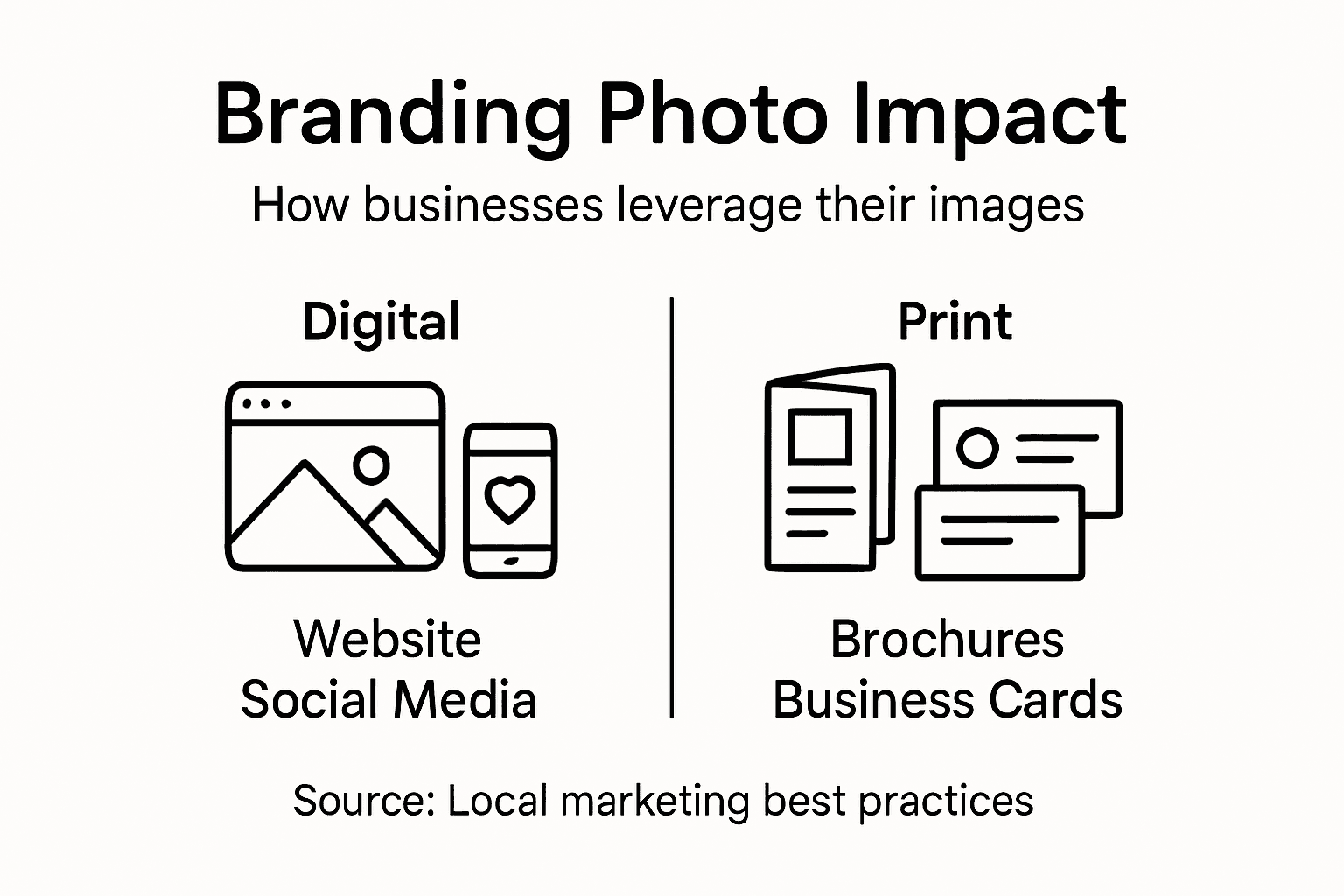
Your website is ground zero for deploying branding photos. Your homepage hero image should feature a strong personal or lifestyle photo that immediately communicates what your business does. Your about page needs your headshot and team photos to humanize your brand. Service pages benefit from lifestyle or environmental photos showing your work in action. Your contact page should include a welcoming image of you or your team so visitors feel like they know who they’re about to call. Social media platforms like Instagram, Facebook, and LinkedIn are hungry for consistent visual content. A lifestyle photo from your branding shoot can be repurposed dozens of times across different platforms and seasons. Your LinkedIn profile photo should be a professional headshot that matches the tone of your website. Instagram feeds thrive on a cohesive aesthetic, and having a library of lifestyle and environmental photos means you can post consistently without scrambling for content. Email marketing opens at low rates, but including a personal photo of you or your team in email signatures and campaign headers dramatically increases engagement and trust.
Print materials often get overlooked by local businesses focused on digital, but they remain powerful. Your business card should include a small version of your headshot or a recognizable brand photo. Brochures and flyers gain credibility when they feature authentic images of you and your work rather than generic stock photos. Local print ads in community magazines perform better with real photos of your actual business and team. Press releases and media outreach benefit enormously from high-quality photos that journalists can use when covering your business. When you pitch a story to a local news outlet, including professional images dramatically increases the odds they’ll cover you. Google Business Profile and other local directories allow photos that build trust for customers searching your area. A polished photo of your storefront, your team, or a happy client makes a tangible difference in click-through rates.
The key to maximizing your investment in branding photos is creating a consistent visual library. Instead of shooting for one specific purpose, work with your photographer to build a diverse collection you can pull from for years. You need vertical images for Instagram stories, horizontal images for website headers, close-up portraits for email signatures, wide environmental shots for printed materials, and detail photos of your work or products. A well-planned shoot captures multiple usable images across these formats so you’re not constantly needing new photos. Store your images organized by type and season so you can find the right photo quickly when you need it.
Where Branding Photos Make the Biggest Impact
- Website homepage and about pages
- Social media profiles and feed posts
- Email signatures and newsletters
- Business cards and local print advertising
- Google Business Profile and local directories
- LinkedIn profile and company pages
- Press releases and media kits
- Brochures and promotional materials
Pro tip: Create a simple content calendar for the next three months and assign one type of branding photo to each week’s social media post, ensuring you use your full photo library strategically and consistently across all channels.
Cost Factors and Common Mistakes to Avoid
Branding photography is an investment, and like any investment, understanding what you’re paying for matters. Branding photography costs vary based on photographer experience, project scope, and editing complexity, with pricing models ranging from hourly rates starting around $500 to full project packages beginning at $3,000. Local photographers in Massachusetts, Connecticut, and Rhode Island typically fall somewhere in this range depending on their experience and the scope of your project. A single one-hour headshot session might cost $500 to $800. A half-day branding shoot with multiple locations and outfit changes could run $2,000 to $3,500. A comprehensive full-day shoot with multiple photo types and extensive editing might reach $4,000 to $6,000 or beyond. The key is understanding what drives these costs so you can make informed decisions about your budget.
Experience matters significantly. A photographer just starting out might charge $300 to $500 per hour, while an established professional with a strong portfolio charges $150 to $300 per hour. That sounds counterintuitive, but hourly rates often decrease for experienced photographers because they work more efficiently and produce better results. What you save in hourly costs, you gain in quality, faster turnaround, and images that actually work for your marketing. Beyond the photographer’s time, editing and retouching add cost. Basic editing (exposure, color correction, minor blemishes) is typically included. Advanced editing like background removal, significant retouching, or custom color grading costs extra. Usage rights matter too. Can you use the photos commercially on your website and in ads? That costs more than personal use only. Does the photographer retain copyright or do you? These contractual details affect pricing. When comparing quotes, ask what’s included. Is editing included? How many edited images do you receive? Can you use them commercially? What’s the turnaround time? Do you get raw files or only edited ones? A cheaper quote might exclude things that matter to your business.
Below is a comparison of common cost drivers and how they influence branding photography pricing decisions:
| Cost Factor | Typical Range | Impact on Budget |
|---|---|---|
| Photographer Skill | $300-$3000/session | Higher experience costs more |
| Shoot Duration | 1-8 hours | Longer shoots increase expense |
| Editing Level | Basic to advanced | Advanced retouching adds costs |
| Usage Rights | Web, print, ads | More rights raise total price |
| Image Quantity | 10-100+ images | Larger libraries increase price |
Common mistakes waste money and damage your brand perception. Poor lighting, inconsistent styling, and weak visual identity undermine brand perception and marketing effectiveness. One frequent error is mixing professional photos with amateur smartphone snapshots across your website and social media. Your audience notices the inconsistency, and it suggests your business isn’t serious or established. Another mistake is using too many generic stock photos. Customers in your area can sense when you’re showing stock images instead of real photos of your actual business. They see through it immediately. Failing to create a cohesive visual style is equally damaging. Your headshot uses cool blue tones, your product photos use warm lighting, your lifestyle shots look muted and desaturated. That inconsistency confuses your brand identity. Poor composition undermines otherwise good shots. Blurry backgrounds, awkward cropping, harsh shadows, or unflattering angles make professional images look amateur. Neglecting to plan your shoot leads to rushed decisions on location, outfit, and positioning, resulting in photos that don’t actually serve your marketing needs.
Smart Budget Decisions
- Invest in a professional shoot rather than multiple amateur attempts – One solid session produces more usable images than three DIY attempts
- Choose a location that works for multiple shot types – This maximizes content variety within one session
- Clarify usage rights upfront – Ensure you can use photos across all your marketing channels without restrictions
- Request a diverse image library – Get vertical and horizontal orientations, close-ups and wide shots, multiple outfit options
- Ask about retouching included – Understand what editing is standard versus what costs extra
- Build consistency into your plan – Maintain the same styling, location feel, and aesthetic throughout so photos work as a cohesive collection
Pro tip: Before booking a photographer, ask to see 5 to 10 recent samples of their branding work for local businesses similar to yours, and pay close attention to whether their editing style and overall aesthetic aligns with how you want your business to be perceived.
Elevate Your Local Business Brand with Professional Photography
Building a strong and authentic visual identity is key to gaining trust and recognition in the Massachusetts, Connecticut, and Rhode Island markets. If you want to avoid inconsistent visuals and tired stock photos while showcasing the real personality and story of your business, then professional branding photography is essential. Key challenges like creating cohesive style, capturing genuine moments, and displaying your unique workspace can be addressed through expert planning and execution. At Jodi Blodgett Photography, we specialize in helping local businesses like yours tell their true story through thoughtful and naturally lit imagery.
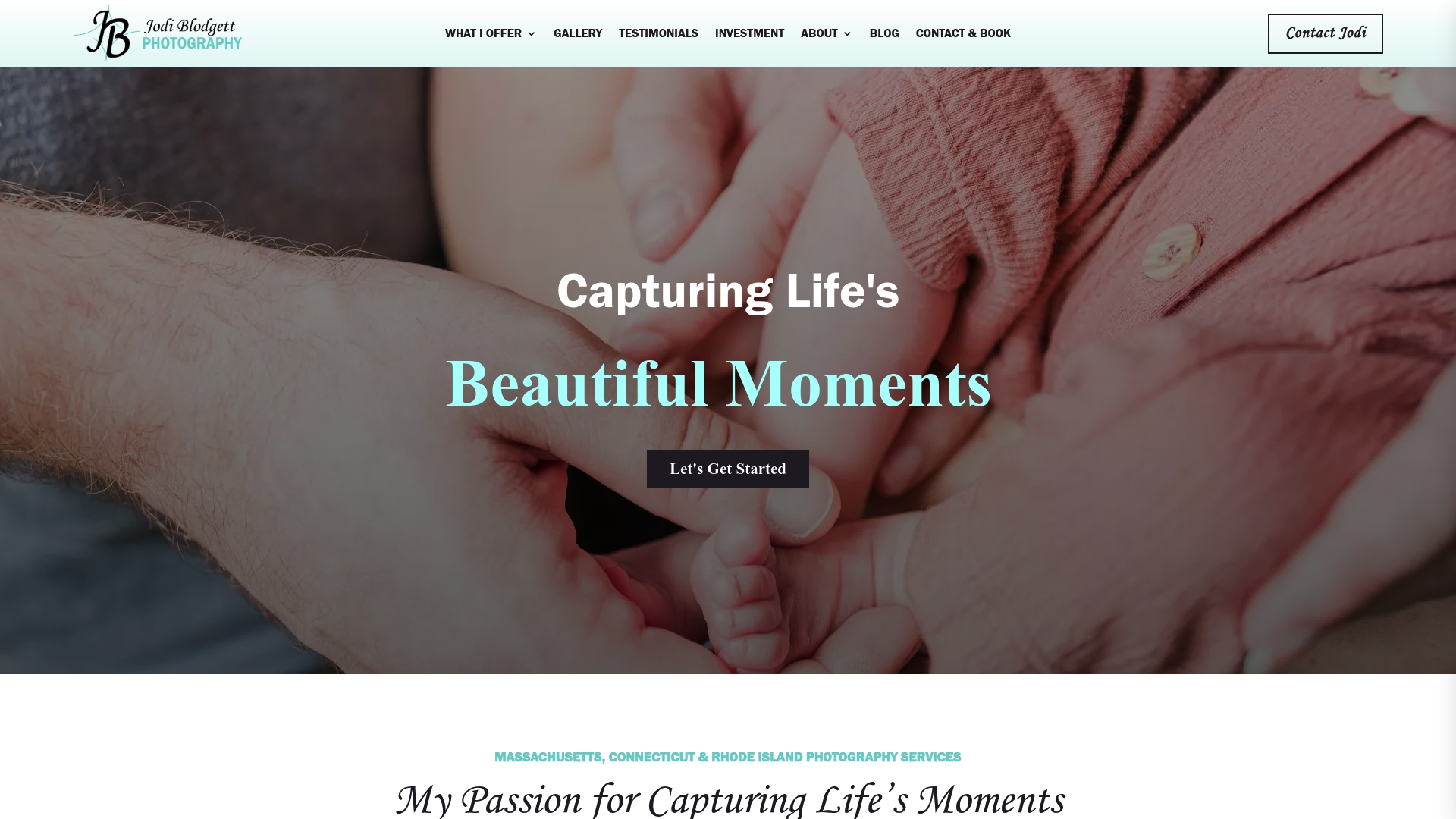
Ready to connect with your ideal customers using authentic, compelling branding photos? Explore our Branding Photography services designed to deliver diverse images that fit every marketing need. See how our approach to natural light and emotional storytelling sets your business apart by visiting Jodi Blodgett Photography. Learn how our professional touch aligns with your brand values and schedule your session today to start building trusted relationships in your community.
Frequently Asked Questions
What are branding photos?
Branding photos are strategic images that communicate your business identity and build visual authority, helping potential customers recognize and connect with your brand without needing words.
How do I prepare for a branding photo session?
Before your session, identify three words that describe your business culture and share them with your photographer. This helps ensure the photos align with how you want to be perceived. Additionally, create a mood board with images that reflect your desired aesthetic.
What types of branding photos should I consider for my business?
You should consider a mix of personal brand photography, product photography, lifestyle photography, environmental portraits, corporate headshots, and event photography to cover all angles of your business story and enhance customer trust.
How can I effectively use branding photos across my marketing channels?
Use branding photos consistently across your website, social media, email newsletters, and print materials. Ensure your homepage features strong visuals, utilize headshots for team pages, and share lifestyle images to engage audiences on social platforms.