

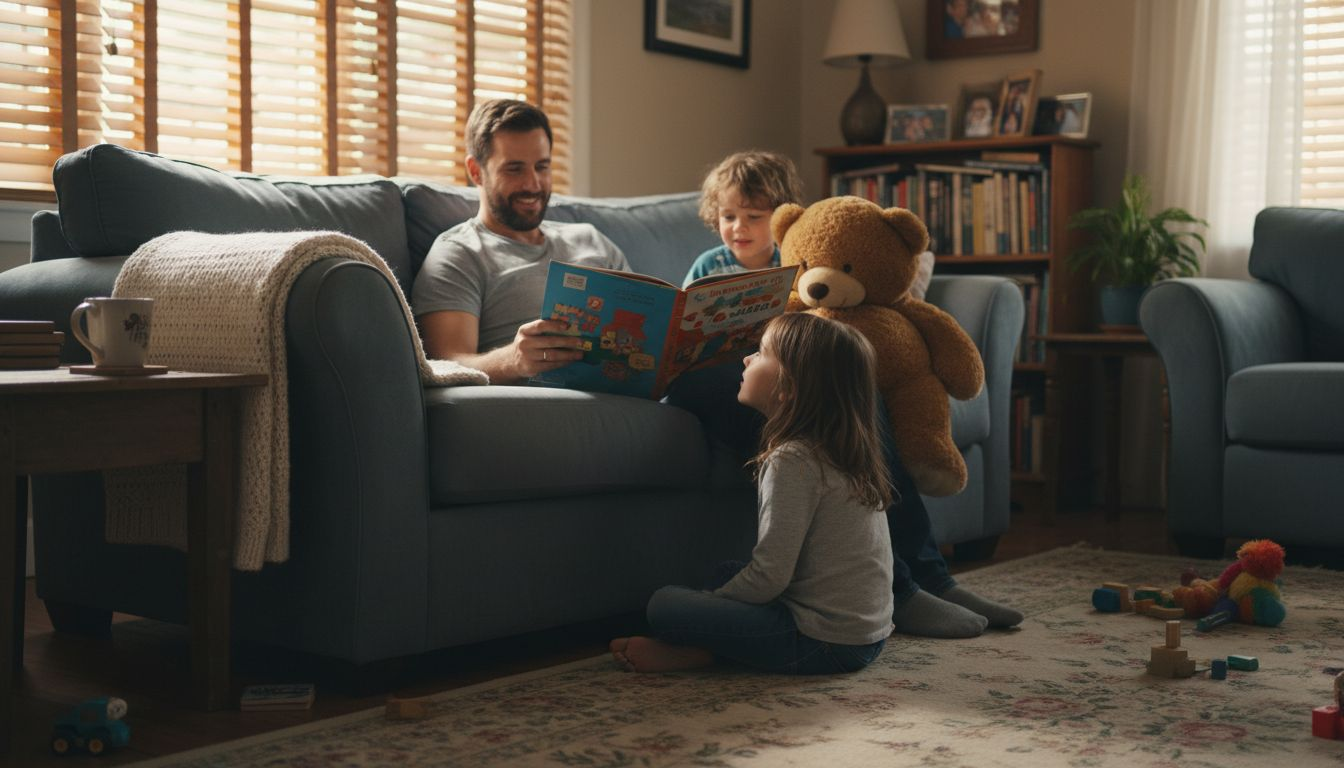
Every american family treasures the little moments that often slip by unnoticed. For many parents in Massachusetts, Connecticut, and Rhode Island, capturing these real experiences has more meaning than any posed portrait. Candid photography is proven to deliver images that feel over 50 percent more authentic to viewers than staged photos. Discover how embracing spontaneous moments can create visual keepsakes that truly reflect your family’s genuine love and connection.
Table of Contents
- Defining Candid Moments In Photography
- Distinguishing Candid Vs. Posed Photos
- Emotional Impact On Family Storytelling
- Capturing Natural Interactions With Children
- Common Pitfalls And How To Avoid Them
Key Takeaways
| Point | Details |
|---|---|
| Candid Photography Emphasizes Authenticity | Candid photography captures genuine emotions and interactions, providing a deeper understanding of human relationships. |
| Distinction Between Candid and Posed Photography | Candid photography is spontaneous and unguarded, while posed photography is intentionally staged and directed. |
| Building Trust for Authentic Moments | Creating a relaxed environment allows subjects to feel comfortable and engage naturally, leading to more authentic captures. |
| Technical Considerations in Candid Photography | Using silent camera gear and maintaining an unobtrusive presence enhances the quality of candid photographs, preventing disruptions. |
Defining Candid Moments in Photography
Candid photography represents a powerful approach to capturing authentic human experiences through unscripted visual storytelling. Unlike traditional posed photography, candid moments emerge spontaneously, revealing genuine emotions and natural interactions without staged arrangements. These unfiltered snapshots provide a raw, intimate glimpse into real life’s most meaningful connections.
At its core, candid photography focuses on capturing subjects in their most natural state – when they are unaware of the camera and not consciously posing. Photographers specializing in candid techniques aim to document genuine expressions, unguarded reactions, and organic interactions that traditional portrait sessions often miss. This approach requires exceptional observation skills, quick reflexes, and an intuitive understanding of human behavior.
The magic of candid photography lies in its ability to preserve authentic emotional landscapes. Whether it’s a child’s spontaneous laugh, a tender glance between partners, or a family’s genuine moment of connection, these images transcend mere visual documentation. They become powerful narratives that communicate deeper stories about human relationships, emotions, and lived experiences.
Pro Tip: Position yourself discretely and use longer camera lenses to capture candid moments without disrupting the natural flow of interactions, allowing subjects to remain comfortably unaware of your photographic presence.
Distinguishing Candid vs. Posed Photos
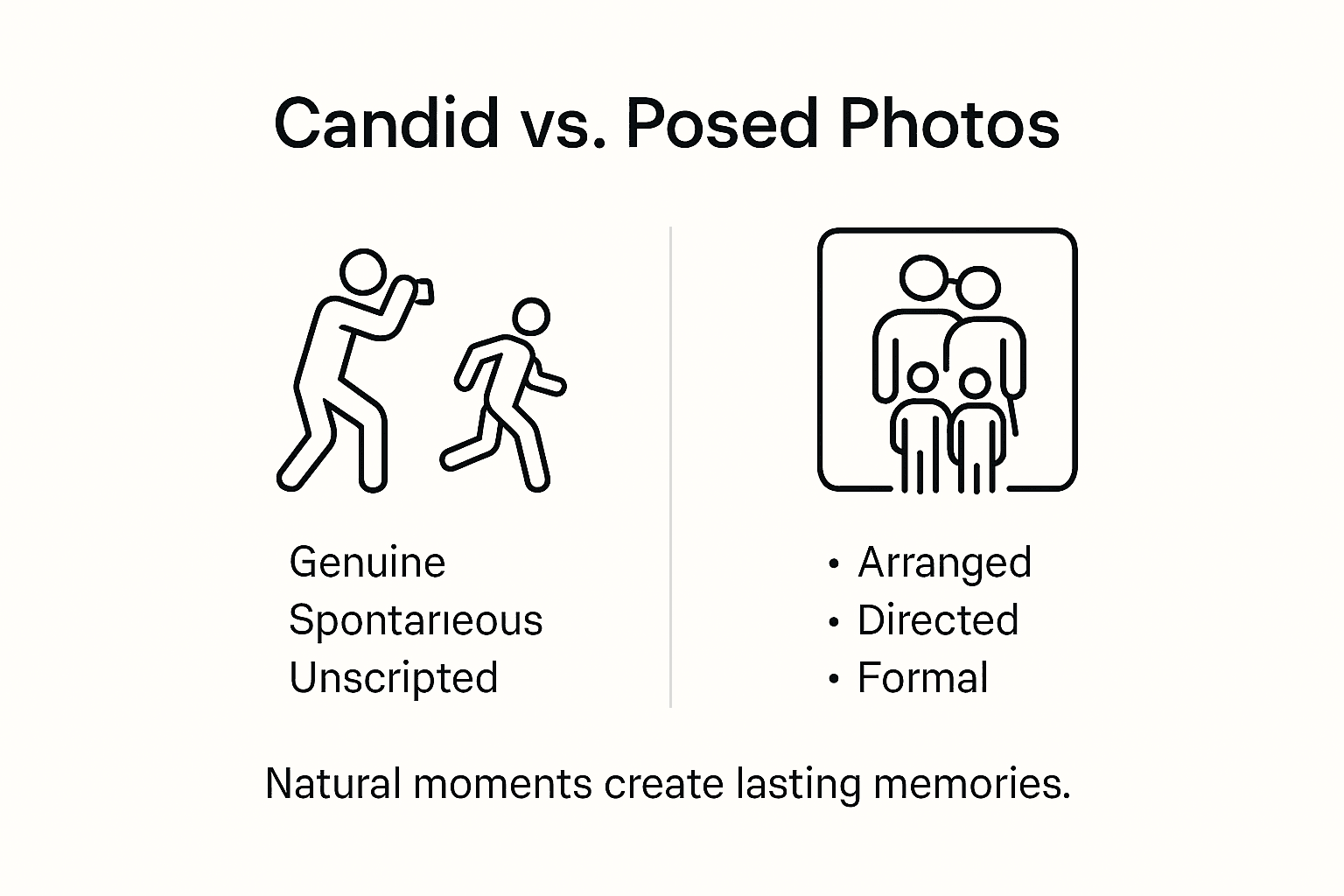
Photography offers two distinct approaches to capturing human experiences: candid and posed photography. While both aim to document meaningful moments, they differ dramatically in their underlying philosophy and emotional impact. Research indicates that candid photos are perceived as significantly more authentic, revealing genuine emotions that staged photographs often struggle to capture.
Posed photographs are intentionally constructed, with subjects carefully positioned, directed, and aware of the camera. Photographers meticulously arrange lighting, composition, and subject placement to create a polished, idealized representation. In contrast, candid photography thrives on spontaneity, capturing subjects in unscripted, natural moments when they are most unguarded and relaxed. Studies demonstrate that these unposed images enhance social perception and perceived authenticity, making them more emotionally resonant.
The key distinctions between candid and posed photography extend beyond mere technical differences. Posed photos typically aim for perfection – smooth expressions, coordinated outfits, and idealized settings. Candid photography, however, celebrates imperfection. It captures the raw, unfiltered moments that tell genuine stories: a child’s uncontrolled laughter, a grandmother’s tender glance, or a spontaneous family interaction. These images become powerful narratives that transcend traditional photographic conventions, preserving memories in their most authentic form.
Here’s a comparison of candid and posed photography approaches:
| Aspect | Candid Photography | Posed Photography |
|---|---|---|
| Subject Awareness | Unaware, natural behavior | Fully aware, often directed |
| Emotional Expression | Spontaneous and authentic | Controlled and sometimes artificial |
| Photographer’s Role | Observer, captures moments | Director, arranges scenes |
| Narrative Style | Relies on real interactions | Emphasizes visual perfection |
Pro Tip: When aiming for more natural photographs, create a relaxed environment where subjects feel comfortable and momentarily forget about the camera, allowing genuine interactions to unfold naturally.
Emotional Impact on Family Storytelling
Family storytelling transcends traditional documentation, becoming a profound emotional archive that connects generations through visual narratives. Candid photographs capture spontaneous moments that convey deeper emotional landscapes, transforming simple images into powerful repositories of familial memory and shared experience.
Unlike staged photographs that present idealized versions of family interactions, candid images reveal the authentic emotional texture of relationships. These unscripted moments – a grandmother’s knowing smile, a child’s unguarded laugh, siblings sharing a secret moment – become visual poems that communicate far more than traditional portraits ever could. Photography experts emphasize how these unposed moments can evoke strong emotional memories, creating a rich, multilayered narrative of family life that resonates across time.
The emotional potency of candid photography lies in its ability to capture the intangible – the fleeting expressions, subtle gestures, and unfiltered connections that define familial bonds. These images become more than mere photographs; they are emotional time capsules that preserve the nuanced dynamics of family relationships. By documenting life as it genuinely unfolds, candid photography creates a more honest, compassionate representation of family history, allowing future generations to understand not just how their ancestors looked, but how they truly lived and loved.
Pro Tip: Create a comfortable, relaxed environment during family photography sessions, allowing subjects to interact naturally and forget about the camera, which increases the likelihood of capturing genuine, emotionally rich moments.
Capturing Natural Interactions With Children
Candid child photography represents an art form that demands patience, keen observation, and a profound understanding of childhood dynamics. Photographers must learn to observe and document children in their most authentic environments, capturing moments that reveal the genuine spirit of childhood without interrupting their natural play and exploration.
Children are inherently unpredictable and wonderfully spontaneous, making them ideal subjects for authentic photography. The most compelling images emerge when photographers focus on capturing spontaneous actions and unfiltered expressions, rather than attempting to control or stage their interactions. This approach requires creating a comfortable environment where children feel unrestricted and unobserved, allowing their true personalities to shine through natural play, imagination, and curiosity.
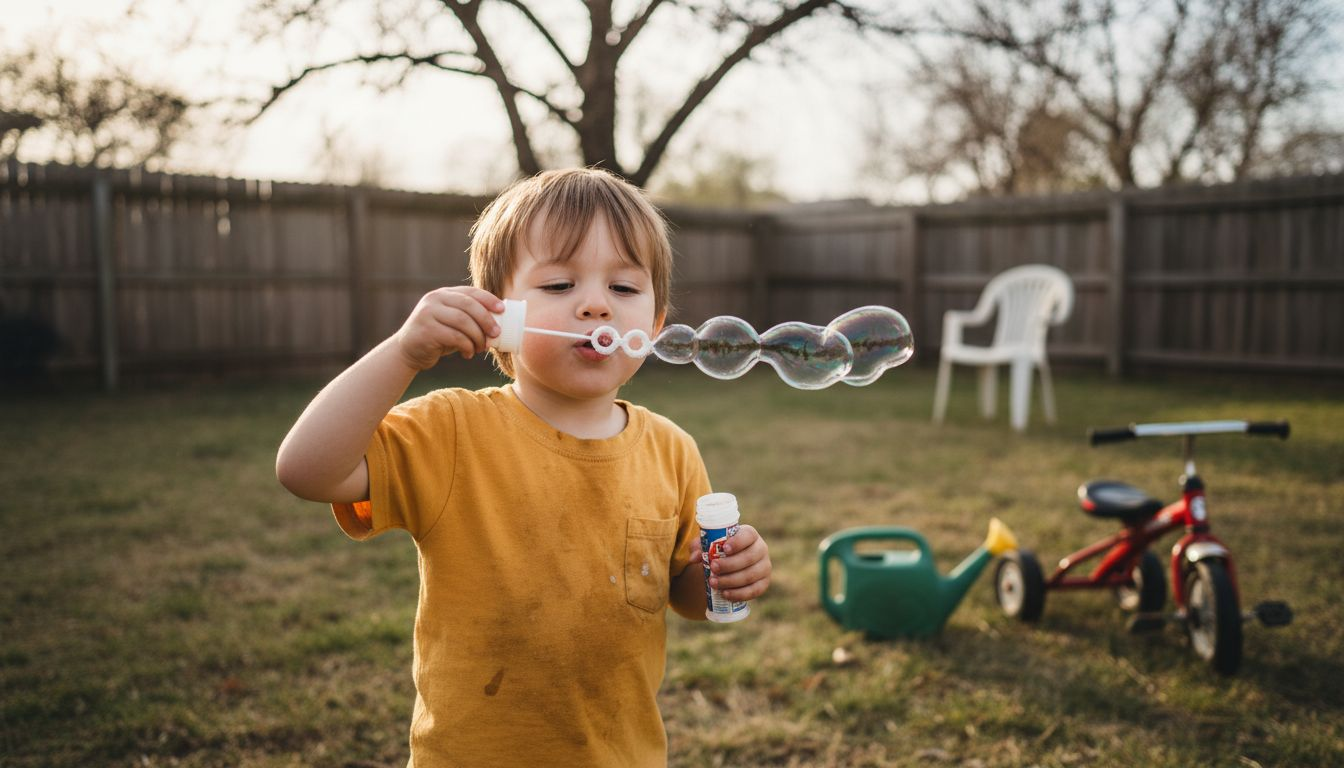
Successful candid child photography involves more than technical skill – it requires emotional intelligence and the ability to anticipate moments of genuine connection. Whether it’s a sibling’s shared secret, a moment of concentrated play, or an unexpected burst of laughter, these unscripted interactions tell rich stories about childhood’s complex emotional landscape. By remaining unobtrusive and patient, photographers can transform ordinary moments into extraordinary visual narratives that capture the essence of childhood’s fleeting, magical experiences.
Pro Tip: Position yourself at children’s eye level and use a quiet, fast camera with a zoom lens to capture genuine interactions without disrupting their natural play and movement.
Common Pitfalls and How to Avoid Them
Candid photography presents unique challenges that can dramatically impact the quality and authenticity of captured moments. Photographers must be acutely aware of potential issues like intruding on personal moments and selecting inappropriate equipment, which can transform a potentially magical photograph into an awkward or invasive experience.
One of the most significant pitfalls in candid photography is overstepping personal boundaries. Subjects, particularly children and families, need to feel comfortable and unthreatened during photography sessions. To prevent unnatural expressions and maintain subject comfort, photographers must create an environment of trust and relaxed interaction. This means developing keen observational skills, understanding social dynamics, and knowing when to pull back and when to subtly engage.
Technical missteps can also compromise the integrity of candid photographs. Inappropriate camera settings, loud shutter sounds, or conspicuous positioning can disrupt the natural flow of interactions. Skilled photographers learn to become almost invisible, using quiet cameras with fast shutter speeds, strategic positioning, and lenses that allow them to capture moments from a distance. The goal is to document genuine experiences without becoming a distraction or making subjects self-conscious.
Consider these strategies for overcoming common pitfalls in candid photography:
| Challenge | Effective Strategy | Outcome |
|---|---|---|
| Intruding on personal moments | Build trust and maintain distance | Subjects remain comfortable and natural |
| Distracting camera presence | Use silent gear and subtle movements | Moments captured without disruption |
| Missing key interactions | Observe closely and anticipate action | More genuine, storytelling images |
Pro Tip: Practice the art of blending into the background by wearing neutral colors, moving slowly and deliberately, and using silent camera modes to capture authentic moments without drawing attention to yourself.
Preserve Your Family’s Authentic Story Through Candid Photography
Capturing candid moments is essential for creating lasting family memories that tell genuine stories beyond posed portraits. If you want to hold on to those spontaneous laughs, tender glances, and natural interactions discussed in the article, professional photography can make all the difference. Authentic imagery transforms your family’s emotional connections into treasured visual stories you will cherish forever.

Experience how Jodi Blodgett Photography specializes in capturing these heartfelt, unscripted moments through natural light and emotional storytelling. Serving families across Massachusetts, Connecticut, and Rhode Island, Jodi creates a comfortable and relaxed environment so genuine interactions unfold naturally. Don’t wait to preserve these fleeting memories that truly reflect your family’s spirit. Visit Jodi Blodgett Photography now to explore the portfolio, learn about family photography services, and book your personalized session today.
Frequently Asked Questions
What are candid moments in photography?
Candid moments in photography refer to spontaneous, unscripted images captured when subjects are unaware of the camera. These moments reveal genuine emotions and natural interactions, offering a more authentic representation of human experiences.
How do candid photos differ from posed photos?
Candid photos capture subjects in their natural state without their awareness, emphasizing genuine emotions and reactions. In contrast, posed photos are intentionally staged, with subjects aware of the camera and often directed for a polished appearance.
Why are candid photographs important for family memories?
Candid photographs are vital for family memories as they reveal the true emotional connections within the family. They capture unfiltered moments that convey the essence of relationships, making them powerful narratives that transcend idealized portrayals.
What techniques can I use to capture candid moments effectively?
To capture candid moments effectively, position yourself discreetly, use a longer camera lens, and create a relaxed environment where subjects feel comfortable. This encourages genuine interactions and allows you to capture the authentic essence of the moment.