

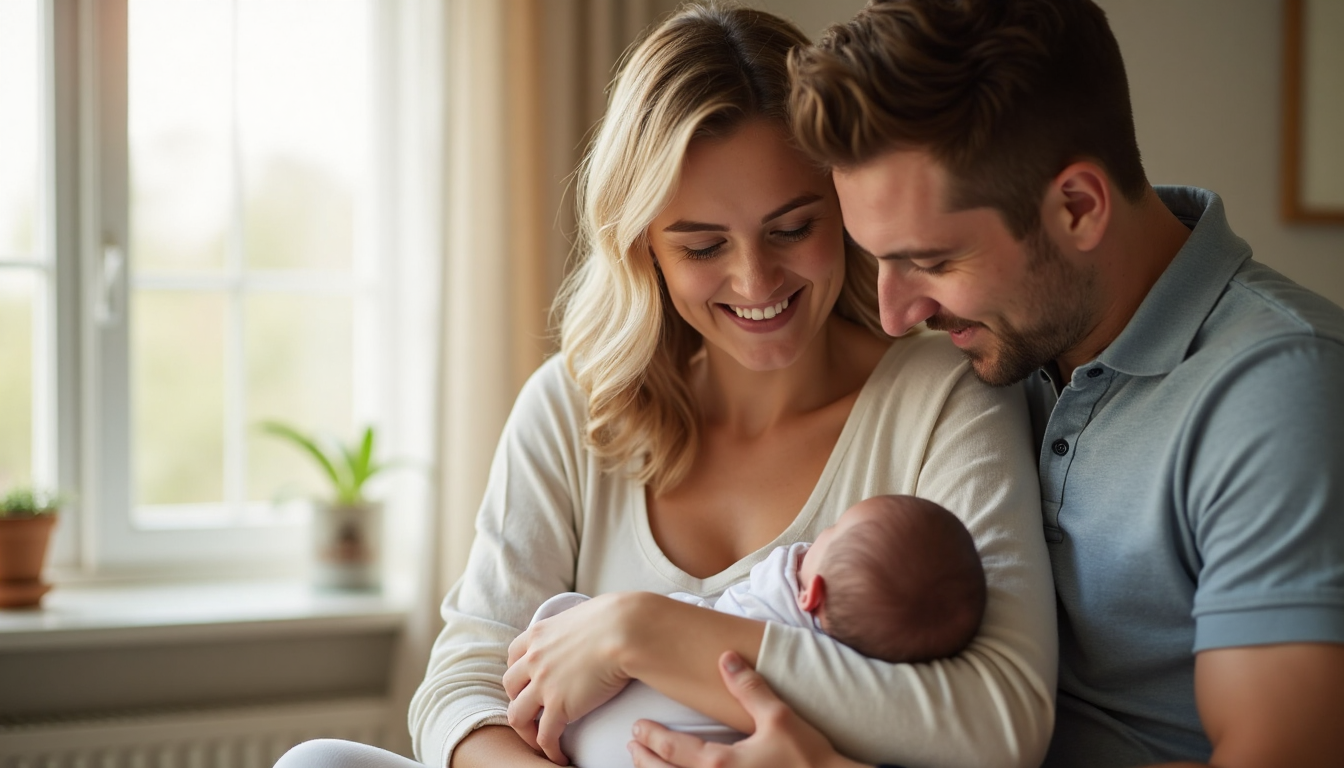

Ready for soe newborn photography tips? Newborn photography is about more than just a camera and a cute baby. Most professionals agree that keeping the room between 75 and 80 degrees Fahrenheit is crucial for a successful newborn session. Surprised? Many parents focus on props and backdrops, but overlook the simple role of warmth in keeping their little one calm and comfortable. The real secret to memorable newborn portraits is all about creating a cozy, safe space that lets natural, candid magic happen.
Table of Contents
- Preparing Your Space For Newborn Photos
- Best Poses And Safe Handling Techniques
- Lighting And Camera Settings Made Simple
- Capturing Genuine Family Moments At Home
Quick Summary
| Takeaway | Explanation |
|---|---|
| Optimal Temperature is Key | Maintaining a room temperature between 75-80°F (24-27°C) ensures the comfort of the newborn during photography sessions. |
| Focus on Clean Backgrounds | Decluttering and selecting specific areas with minimal visual distractions helps keep the focus on the baby. |
| Natural Light is Essential | Using soft, diffused natural light from large windows creates flattering illumination for newborn photos. |
| Safety First in Posing | Always support the baby’s head and neck during poses; avoiding strains ensures infant safety while capturing memorable images. |
| Capture Authentic Family Moments | Prioritize unscripted interactions over posed shots to create genuine memories, emphasizing the emotional significance of family photography. |
Preparing Your Space for Newborn Photos
Creating the perfect environment for newborn photography requires thoughtful preparation and attention to detail. Your home becomes the canvas for capturing precious early moments, transforming ordinary spaces into extraordinary memory keepers. Understanding how to optimize your surroundings will significantly enhance the quality and emotional impact of your newborn photographs.
Crafting the Ideal Photographic Environment
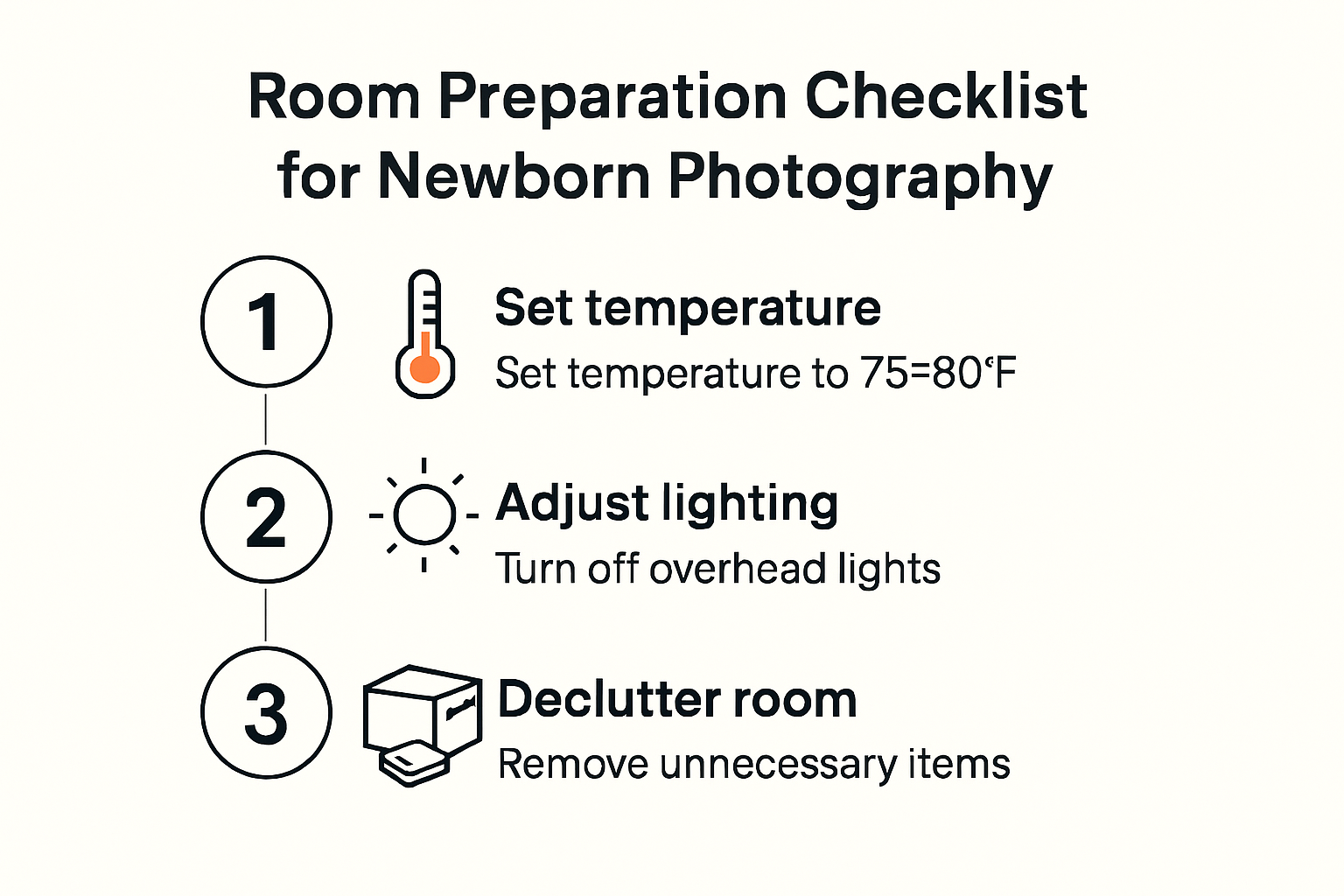
Successful newborn photography starts with strategic space preparation. Professional photographers emphasize the importance of creating a warm, comfortable, and visually clean setting that allows the baby and family to feel relaxed. According to Sarah Larson Photography, maintaining an optimal room temperature between 75-80°F (24-27°C) is crucial for keeping newborns comfortable during photo sessions.
When preparing your space, focus on rooms with abundant natural light. Large windows, soft curtains, and strategic positioning can create beautiful, soft illumination that highlights your newborn’s delicate features. Avoid harsh overhead lighting or direct sunlight that might create unflattering shadows or cause discomfort for the baby.
Essential Space Preparation Strategies
Decluttering becomes paramount when preparing for newborn photography. Professional photographers recommend clearing potential shooting areas of unnecessary items, creating clean backgrounds that keep the focus squarely on your newest family member. Remove excess furniture, personal items, and any distracting elements that might draw attention away from the baby.
Consider selecting 2-3 specific areas in your home for potential photo locations. These might include:
- Natural Light Zone: A room with soft, diffused sunlight near large windows
- Comfort Space: A cozy area like a master bedroom or nursery with neutral colored walls
- Family Interaction Area: A living room or family space that feels warm and inviting
Prepare these spaces by ensuring they are clean, organized, and have minimal visual distractions. Soft, neutral colored blankets or simple backdrops can help create a timeless feel that keeps the focus on your newborn.
Technical Considerations for Home Photography
Temperature regulation plays a critical role in newborn photography. Babies are sensitive to environmental changes and can become uncomfortable quickly. Professional photography guidelines suggest maintaining a consistent, warm environment. This might mean turning up the heat slightly before the photographer arrives or having extra blankets and layers available.
Additionally, consider sound management. A quiet, calm environment helps keep the baby relaxed and makes capturing natural, peaceful moments easier. Minimize potential noise sources like televisions, loud appliances, or unexpected household sounds that might startle or disturb the baby during the photo session.
By thoughtfully preparing your space with these strategies, you create an optimal setting for capturing those irreplaceable first weeks of your newborn’s life. The right environment not only ensures beautiful photographs but also provides a comfortable, stress-free experience for both baby and family.
To summarize the essentials in preparing your space, the table below organizes the critical environmental factors and strategies for a successful newborn session:
| Preparation Factor | Why It Matters | Action Steps |
|---|---|---|
| Temperature | Keeps newborn comfortable and calm | Set room to 75–80°F (24–27°C); have blankets/layers ready |
| Natural Light | Provides flattering, soft illumination | Choose rooms with large windows; use sheer curtains for diffusion |
| Clean Backgrounds | Minimizes distractions, focuses on baby | Declutter areas; remove excess furniture and personal items |
| Sound Management | Maintains tranquil and relaxed atmosphere | Silence noisy devices; minimize sudden sounds |
| Designated Spaces | Tailors settings for different types of shots | Prepare 2–3 rooms (light zone, comfort, family area) |
| Hygienic Surfaces | Protects newborn health | Use clean, sanitized blankets and props |
Best Poses and Safe Handling Techniques
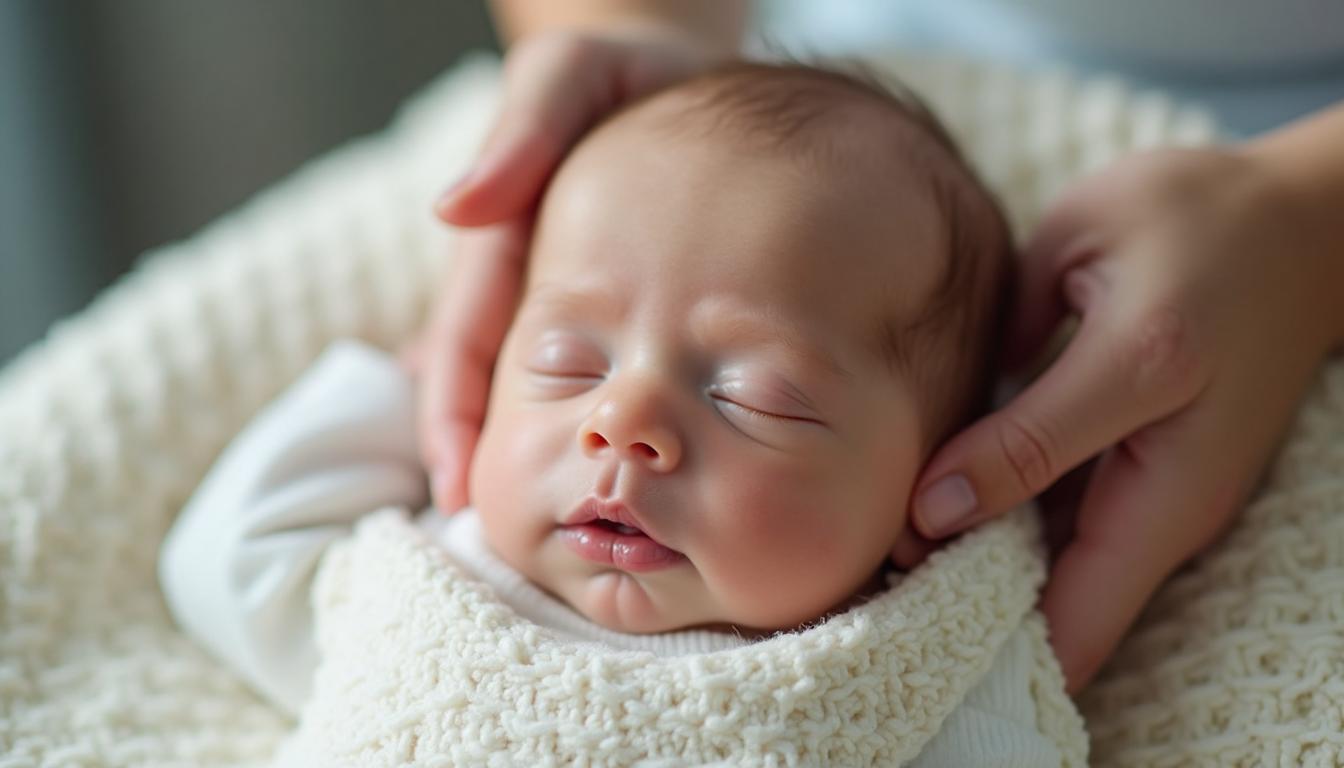
Newborn photography requires exceptional skill, patience, and an unwavering commitment to safety. Capturing those precious early moments demands more than just technical photography expertise – it requires understanding infant physiology, gentle handling techniques, and creating a secure environment that protects the baby while producing stunning images.
Understanding Safe Newborn Positioning
Professional photographers emphasize that every pose must prioritize the infant’s comfort and physical safety. According to Anna Sam Photography, maintaining a consistent studio temperature between 75-80°F is crucial for keeping newborns comfortable during photography sessions.
Safe posing involves understanding an infant’s natural body mechanics. Newborns cannot support their head or maintain complex positions independently. Professional Photography Guidelines recommend always supporting the baby’s head and neck, avoiding any poses that might cause strain or discomfort.
Typical safe poses include:
- Curled Position: Mimicking the womb environment
- Side Lying: Natural and comfortable for infants
- Wrapped Poses: Providing security and warmth
Hygienic Handling and Session Preparation
Before any photography session, strict hygiene protocols are non-negotiable. Professional Newborn Photography Resources recommend thorough hand washing, prop sanitization, and creating a clean environment to protect the infant’s vulnerable immune system.
Photographers should always:
- Wash hands thoroughly before handling the baby
- Use sanitized props and surfaces
- Work with a spotter or parent nearby
- Move slowly and predictably
- Avoid sudden movements
Advanced Posing Techniques
Experienced newborn photographers understand that each baby is unique and may respond differently to positioning. Complex poses require multiple safety considerations. Always have an assistant or parent ready to support the baby, and never force a pose that seems uncomfortable.
Common advanced techniques include composite images where multiple shots are digitally combined to create seemingly impossible poses. This method ensures the baby remains supported and safe throughout the entire process. Parents should work closely with photographers who demonstrate expertise in newborn handling and prioritize infant safety above aesthetic preferences.
By combining technical skill, gentle handling, and a deep understanding of infant physiology, photographers can create breathtaking images that capture the delicate beauty of a newborn while maintaining the highest standards of safety and comfort.
The following table summarizes safe newborn poses and key safety tips mentioned in this section:
| Pose Type | Description | Key Safety Considerations |
|---|---|---|
| Curled Position | Mimics fetal posture (womb-like) | Always support head/neck; don’t force |
| Side Lying | Baby lying on side, natural curl | Ensure stable surface, close supervision |
| Wrapped Pose | Baby snuggly wrapped in soft blanket | Avoid tightness, monitor breathing |
| Composite Pose | Advanced, digitally combined image | Baby always physically supported |
Lighting and Camera Settings Made Simple
Capturing stunning newborn photographs requires more than just a good camera – it demands a nuanced understanding of lighting techniques and precise camera settings. The right approach can transform an ordinary moment into a timeless memory that families will cherish for generations.
Natural Light Mastery
Natural light represents the gold standard for newborn photography. Professional Photography Insights recommend positioning your subject near large windows with soft, diffused light. This approach creates gentle illumination that highlights the baby’s delicate features without harsh shadows or discomfort.
When selecting your lighting setup, consider these key principles:
- Time of Day: Early morning or late afternoon provide the most flattering natural light
- Window Placement: North or south-facing windows offer consistent, soft illumination
- Light Diffusion: Use sheer curtains to soften direct sunlight
Camera Settings for Perfect Newborn Shots
Understanding your camera’s technical capabilities is crucial for capturing breathtaking images. Photography Professionals suggest a strategic approach to camera settings:
Aperture Selection:
- Use wide apertures (f/2.8 – f/4.0) to create soft, blurred backgrounds
- Emphasize the baby’s features by keeping focus razor-sharp
Shutter Speed Considerations:
- Maintain speeds around 1/200 seconds to freeze subtle movements
- Use a tripod for additional stability during low-light conditions
ISO Management:
- Keep ISO low (100-400) to minimize digital noise
- Gradually increase if additional light is needed
Advanced Lighting Techniques
Professional newborn photographers understand that lighting is an art form. Advanced Photography Techniques recommend experimenting with multiple light sources to create depth and dimension.
Consider these advanced approaches:
- Use reflectors to bounce soft light and fill in shadows
- Experiment with gentle side lighting to create subtle contours
- Avoid direct flash, which can startle babies and create unflattering highlights
Remember that each newborn is unique. Patience and adaptability are your greatest tools. Take multiple shots, adjust settings continuously, and remain flexible. The most magical photographs often happen spontaneously when you least expect them.
By mastering these lighting and camera techniques, you transform simple moments into extraordinary memories that families will treasure forever.
Capturing Genuine Family Moments at Home
Family photography transcends mere documentation – it is a powerful narrative tool that preserves emotional connections and creates lasting memories. In the intimate setting of your home, authentic moments unfold naturally, offering photographers unique opportunities to capture the genuine essence of family relationships.
The Emotional Significance of Family Photography
Research on Family Well-being reveals that photographs play a profound role in emotional memory. When children see themselves surrounded by family images, they develop a stronger sense of belonging and identity. By creating visual narratives within your home environment, you’re not just taking pictures – you’re crafting a visual legacy that reinforces family bonds.
Key emotional benefits of home family photography include:
- Identity Reinforcement: Visual representations of family dynamics
- Emotional Connection: Capturing spontaneous interactions
- Memory Preservation: Documenting fleeting childhood moments
Creating Natural and Authentic Scenes
Family Photography Experts emphasize the importance of capturing unscripted moments. Instead of rigid, posed photographs, focus on documenting genuine interactions. This might mean photographing everyday activities like cooking together, playing board games, or simply cuddling on the couch.
To create natural scenes, consider these strategies:
- Allow family members to interact normally
- Use indirect camera angles
- Capture candid moments between planned shots
- Encourage playful, relaxed environments
Technical and Emotional Considerations
Home Photography Guidelines suggest that the most powerful images emerge when photographers blend technical skill with emotional intelligence. Understanding your family’s unique dynamics allows you to anticipate and capture meaningful moments.
Tips for successful home family photography:
- Use natural lighting from windows
- Choose comfortable, familiar spaces
- Keep camera settings ready for quick shots
- Be patient and observe family interactions
- Create a relaxed, pressure-free environment
Remember that the most treasured photographs are not about perfection but about genuine emotion. A slightly blurry image capturing true laughter is far more valuable than a technically perfect but staged portrait. Your goal is to create a visual narrative that tells your family’s unique story – one candid moment at a time.
By approaching home photography with sensitivity, creativity, and technical skill, you transform ordinary moments into extraordinary memories that will be cherished for generations.
Frequently Asked Questions
What is the best temperature for a newborn photography session?
Maintaining a room temperature between 75-80°F (24-27°C) is crucial for keeping the newborn comfortable during photography sessions.
How should I prepare my home for a newborn photography session?
Focus on creating a clean, clutter-free environment. Select specific areas in your home with good natural light, and ensure the space is warm, comfortable, and calming for the baby.
What are some safe poses for newborn photography?
Safe poses include curled positions that mimic womb-like environments, side-lying poses, and wrapped poses. It’s essential to always support the baby’s head and neck during any positioning.
How can I capture authentic family moments during a newborn photography session?
Encourage natural interactions among family members and document genuine moments instead of staged poses. Use natural light and comfortable settings to create a relaxed atmosphere that allows for authentic connections.
Ready to Capture Your Family’s First Moments?
If this article has shown you how important temperature, safety, and natural light are for newborn photography, then you already understand the challenges parents face when planning the perfect shoot at home. Maybe you’re feeling overwhelmed as you try to create a safe and beautiful environment or worried you’ll miss out on those real, emotional moments with your baby and family.
Bring your newborn memories to life with a caring professional who transforms the tips in our guide into lasting family treasures. Explore how Jodi Blodgett Photography’s personalized approach makes every New England family session comfortable, safe, and filled with genuine emotion. See recent family stories at New England Family Photography | Jodi Blodgett Photography or easily start your journey at Jodi Blodgett Photography. Secure your session today and let your baby’s story shine from the very beginning.