

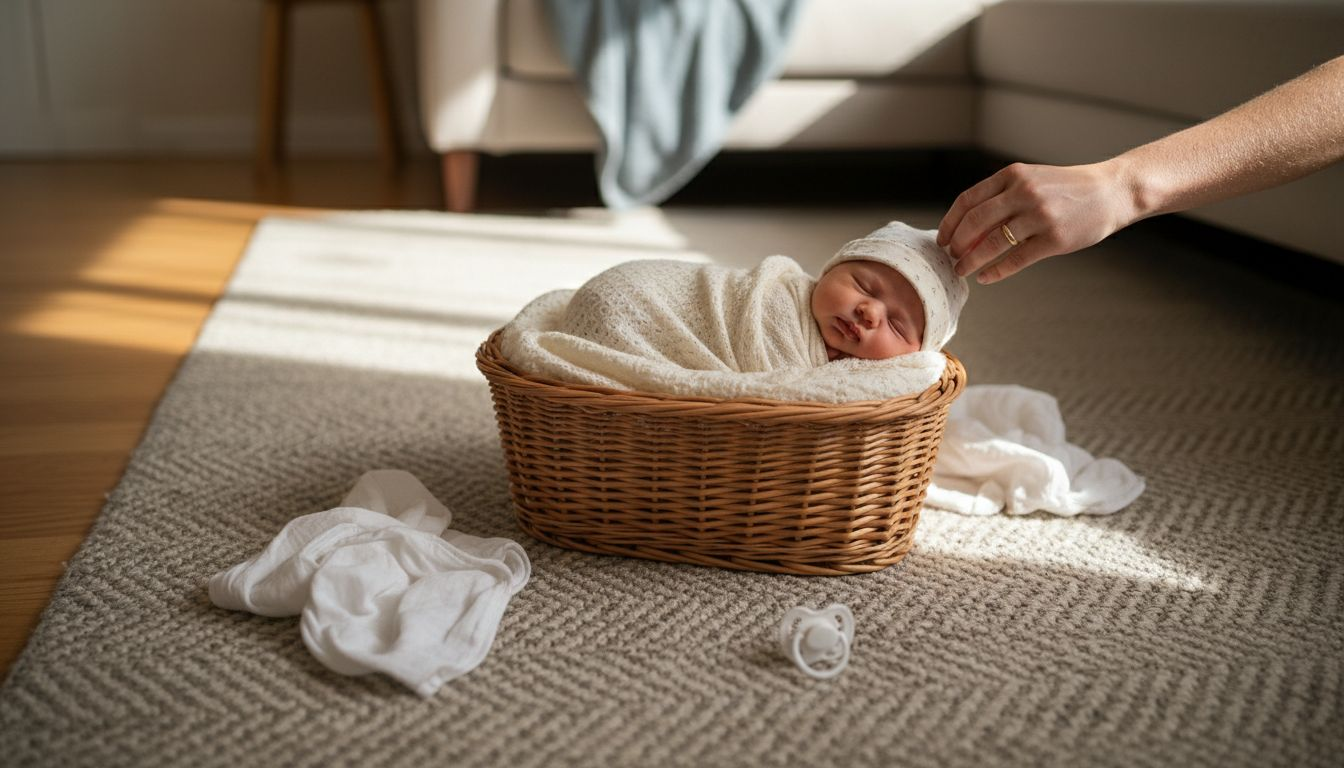
Every american parent knows those first weeks with a newborn pass in a blur, yet these fleeting days hold memories you will cherish forever. In Massachusetts, Connecticut, and Rhode Island, capturing those tender moments through professional newborn photography means planning with care. With over 80 percent of parents wishing they had more early family photos, understanding how to prepare brings peace of mind and stunning images you will love for years to come.
Table of Contents
- Step 1: Schedule and Confirm Your Session Date
- Step 2: Gather Essential Outfits and Props
- Step 3: Prep Your Home or Studio Space
- Step 4: Coordinate Baby’s Feeding and Sleep Times
- Step 5: Check Lighting and Comfort Details
Quick Summary
| Key Point | Explanation |
|---|---|
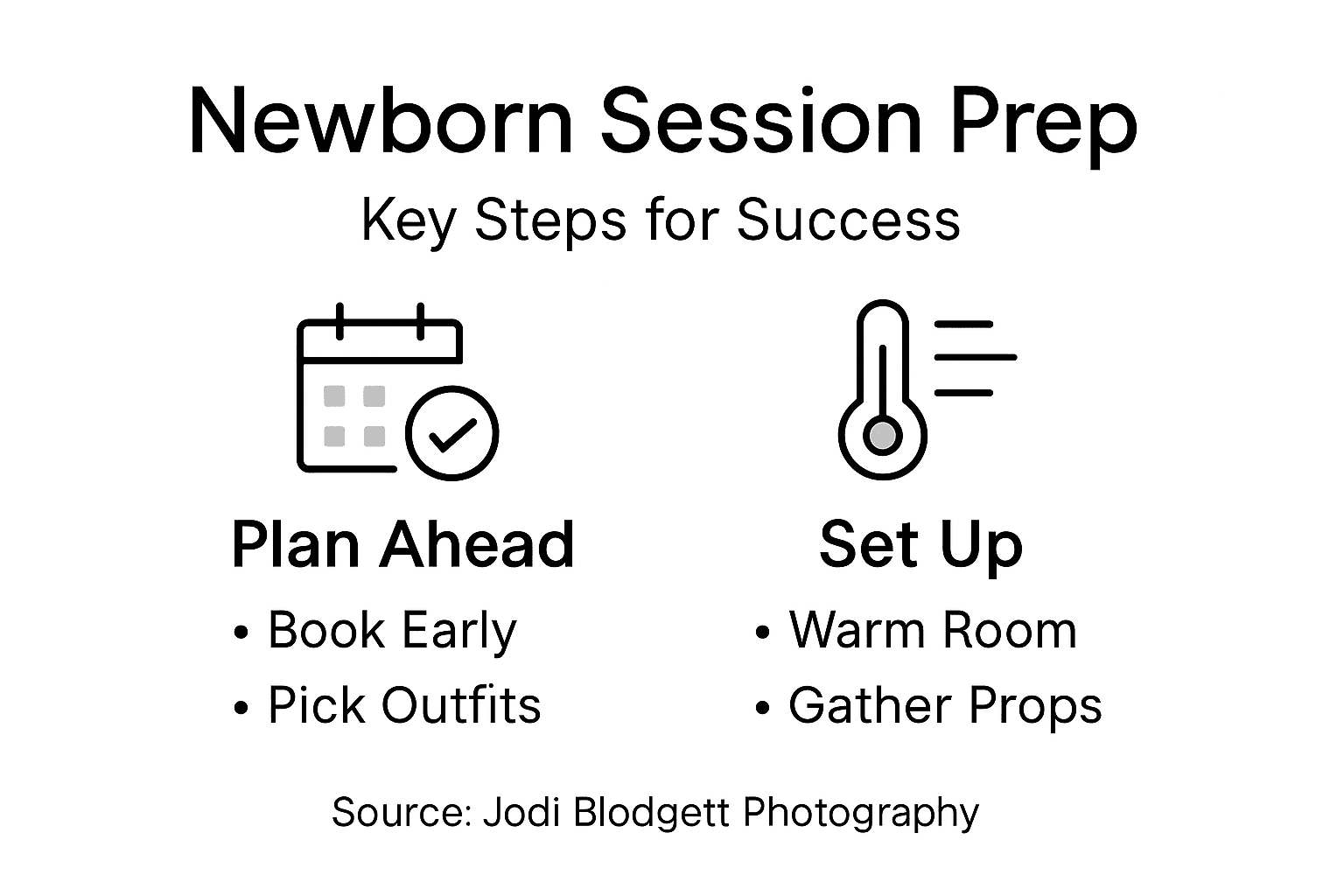
| 1. Schedule Early for Newborn Session | Book your photography session during your second or third trimester to ensure availability in the ideal baby photography window. |
| 2. Choose Comfortable Outfits and Props | Select soft, neutral clothing and personal props to highlight your baby’s natural beauty and keep them comfortable during the session. |
| 3. Prepare Your Space Thoughtfully | Create a warm, clutter-free environment with soft, indirect lighting to keep your baby relaxed during the photography session. |
| 4. Plan Around Baby’s Feeding and Sleep | Schedule the session following a full feeding to ensure your baby is calm and drowsy enough for beautiful portraits. |
| 5. Test Lighting and Comfort in Advance | Check room temperature and lighting 30 minutes before the session to ensure a soothing atmosphere for your newborn. |
Step 1: Schedule and Confirm Your Session Date
Scheduling your newborn photography session requires thoughtful timing and clear communication with your photographer. The goal here is to secure a specific date that works perfectly for capturing your newest family member during those precious first days of life.
Reaching out to schedule your session should happen ideally between your second and third trimester. Most professional photographers like Jodi Blodgett Photography recommend booking early to ensure availability during the optimal newborn photography window between 5 and 14 days after birth. This timeframe allows your baby to still maintain that curled up newborn pose while being calm and sleepy enough for beautiful portraits. When contacting the photographer, be prepared to share your expected due date and discuss potential scheduling flexibility since babies rarely arrive exactly on their predicted date.
Once you confirm a tentative session date, most photographers will request a non-refundable retainer to secure your spot. Communicate any specific preferences regarding location session style or family groupings during this initial scheduling conversation. Newborn screening resources emphasize the importance of clear communication during these early planning stages, which applies perfectly to coordinating your photography session.
Professional Advice: Keep your schedule flexible and communicate regularly with your photographer as your due date approaches to ensure smooth session coordination.
Step 2: Gather Essential Outfits and Props
Preparing the perfect wardrobe and accessories for your newborn photography session requires thoughtful selection and planning. Your goal is to collect comfortable outfits and meaningful props that will beautifully capture your baby’s earliest moments.
Start by selecting soft neutral colored clothing that allows your baby to be the focal point of the images. Newborn clothing guidelines recommend choosing items that are easy to put on and remove without disturbing your sleeping infant. Consider lightweight options like simple onesies white muslin wraps and stretchy knit outfits that provide comfort and photograph beautifully. Avoid outfits with busy patterns or stiff materials that might make your baby uncomfortable during the session.
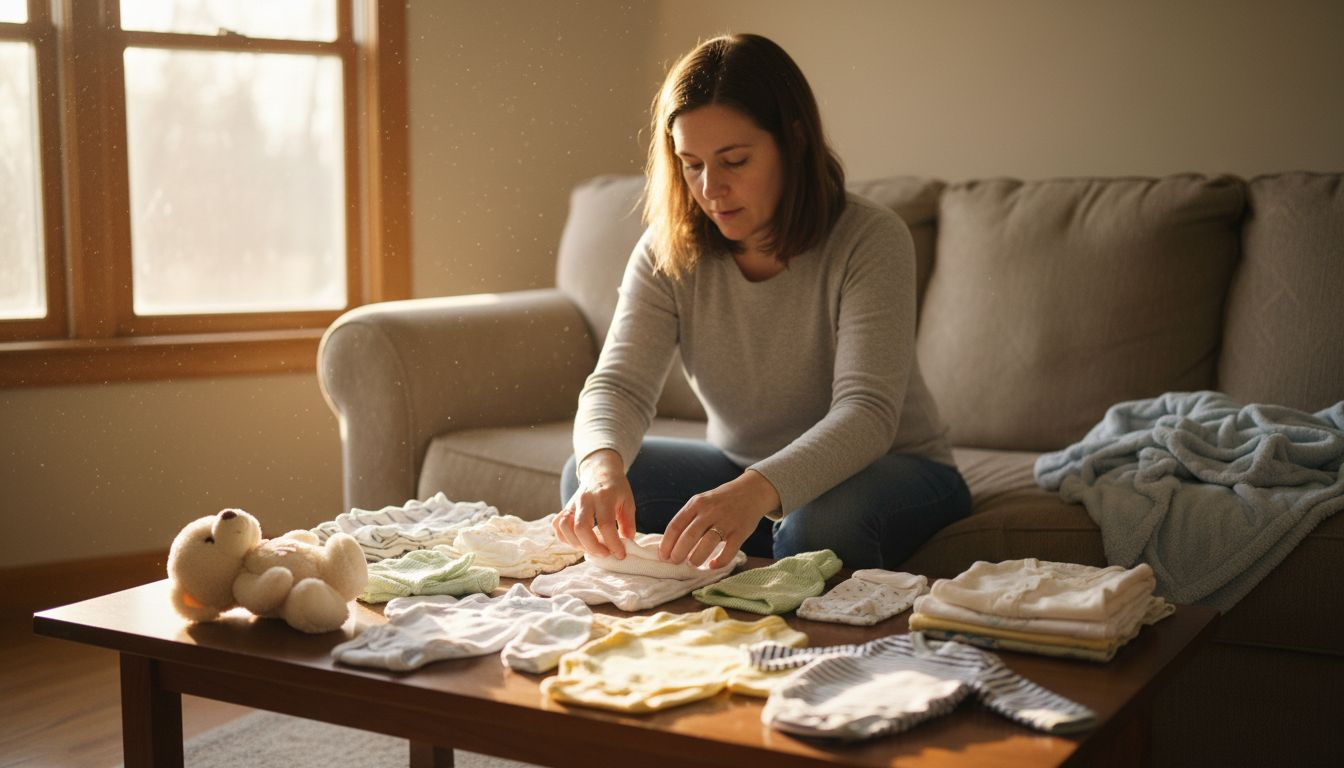
For props gather items that have personal significance to your family while ensuring they are safe and appropriate for newborn photography. This might include a family heirloom blanket your partner’s favorite sports jersey or a handmade item from a grandparent. Essential newborn checklists suggest including soft blankets swaddles and minimal accessories that complement rather than overwhelm your baby’s natural beauty. Remember that simplicity often creates the most timeless and memorable photographs.
Professional Advice: Choose 2 to 3 outfit changes maximum and select props that tell your unique family story without creating unnecessary complexity during the photography session.
The following table compares commonly used newborn photography props and their impact on photo results:
| Prop Type | Visual Impact | Safety Consideration |
|---|---|---|
| Soft blankets | Adds warmth and texture | Always ensure cleanliness |
| Family heirloom items | Makes images personal | Confirm item edges are smooth |
| Muslin wraps | Emphasizes baby’s pose | Use breathable, gentle fabric |
| Knit hats/headbands | Adds whimsy and color | Avoid tight or scratchy materials |
| Parent clothing (e.g., jerseys) | Shares family story | Choose large, non-restrictive items |
Step 3: Prep Your Home or Studio Space
Creating the perfect environment for your newborn photography session requires careful preparation and attention to detail. Your primary goal is to establish a warm comfortable and safe space that will help your baby feel relaxed and allow for stunning photographs.
Bringing your newborn home safely involves understanding critical environmental factors that apply directly to photography sessions. Maintain a consistent room temperature between 75 and 80 degrees Fahrenheit to keep your baby comfortable during wardrobe changes and posing. Clear the chosen area of unnecessary clutter and ensure you have soft blankets padding and clean surfaces ready. Natural light works best for newborn photography so position your setup near a large window with indirect sunlight that provides soft even illumination without harsh shadows or direct glare.
Prepare all photography equipment and props in advance to minimize disruptions during the session. This includes having your camera charged clean backdrops soft wraps and any special family items positioned thoughtfully within reach. Create a calm atmosphere by keeping the space quiet and warm with minimal background noise that might startle or disturb your sleeping newborn. Consider playing soft white noise or gentle instrumental music to help maintain a peaceful environment.
Professional Advice: Warm the room and any surfaces your baby will touch at least 30 minutes before the session begins to ensure maximum comfort and cooperation.
Step 4: Coordinate Baby’s Feeding and Sleep Times
Successful newborn photography depends heavily on timing your session around your baby’s natural feeding and sleep rhythms. Understanding and anticipating your newborn’s needs will help create a smooth photography experience that captures beautiful moments without causing unnecessary stress.
Newborn sleep schedules reveal that most infants are naturally sleepiest during the first two weeks of life. Plan your photography session shortly after a full feeding when your baby is most likely to be calm and drowsy. Typically this window occurs in the morning after your baby has been well fed and has had a chance to digest. Aim to schedule the session when your baby would normally be entering a deep sleep cycle which usually happens 1 to 2 hours after waking and feeding.
Communicate closely with your photographer about your baby’s typical feeding patterns and sleep times. Many professional photographers recommend keeping your baby slightly awake before the session by changing their diaper gently stimulating them or giving a partial feeding. This strategy helps ensure your baby will be more likely to fall into a deep sleep during the photography session. Newborn sleep behaviors indicate that full babies who are warm and comfortable will remain calm and sleepy perfect conditions for capturing those peaceful newborn portraits.
Professional Advice: Keep a flexible mindset and be prepared to pause or reschedule the session if your baby is experiencing unusual fussiness or discomfort.
Step 5: Check Lighting and Comfort Details
Preparing the perfect lighting and comfort environment is crucial for a successful newborn photography session. Your goal is to create a space that feels safe warm and naturally illuminating for your tiny subject.
Newborn phototherapy guidelines emphasize the importance of soft indirect lighting that does not cause stress or discomfort. Position your setup near a large window with sheer curtains to diffuse natural light evenly across the space. Avoid direct sunlight or harsh overhead lighting that might startle or overwhelm your baby. The ideal lighting should be gentle ambient and warm creating a soothing atmosphere that keeps your newborn relaxed during the photography session.
Consider the overall comfort of your baby by checking multiple environmental factors. Neonatal care resources recommend maintaining a consistent room temperature between 75 and 80 degrees Fahrenheit. Use soft neutral colored blankets and padding to create a comfortable surface. Minimize background noise and potential distractions by selecting a quiet area of your home or studio. Test the lighting and temperature before the session begins to ensure everything is perfectly positioned for capturing those precious first moments.
Professional Advice: Do a complete lighting and comfort test run at least 30 minutes before your photographer arrives to identify and address any potential issues.
Here’s a summary of the ideal preparation steps for a successful newborn photography session:
| Step | Key Objective | Ideal Timing | Notable Tips |
|---|---|---|---|
| Scheduling | Secure a session during newborn stage | Second/third trimester | Keep dates flexible for baby’s arrival |
| Outfit & Prop Prep | Choose comfy outfits and meaningful props | 1-2 weeks before session | Limit to 2-3 outfits, avoid busy patterns |
| Environment Setup | Create a safe, warm photo space | Day before session | Use natural light, maintain 75-80°F |
| Feeding & Sleep Timing | Align session with baby’s sleep cycle | Morning on photo day | Feed before session, keep baby drowsy |
| Lighting & Comfort Check | Test lighting and temperature | 30 minutes before session | Opt for soft, indirect light, reduce noise |
Prepare for Your Newborn Session with Confidence and Care
Preparing for a newborn photography session involves careful timing, cozy outfits, and creating a calm environment that highlights your baby’s natural beauty and peaceful moments. If you want to capture those first precious days with expert guidance and heartfelt storytelling, Jodi Blodgett Photography is here to make that experience seamless and memorable. Whether you are unsure about timing, outfits, or creating the perfect setting, we specialize in turning these challenges into joyful milestones.
Explore our Uncategorized | Jodi Blodgett Photography page to see how we approach newborn sessions with warmth and professionalism. Ready to document your family story with personalized care and natural light? Visit Jodi Blodgett Photography today and book your session to secure your spot early. Your newborn’s first portraits deserve to reflect the love, comfort, and beauty you have prepared for them.
Frequently Asked Questions
When should I schedule my newborn photography session?
Most parents should schedule their newborn photography session between their second and third trimester to ensure availability within the optimal window of 5 to 14 days after birth. Reach out to your photographer as early as possible to secure a tentative date, keeping flexibility in mind for your baby’s arrival.
What types of outfits should I prepare for the newborn session?
Choose soft, neutral-colored outfits that allow your baby to be the focal point of the photographs. Aim for 2 to 3 simple outfit changes that are comfortable and easy to put on, avoiding busy patterns that may distract from your baby’s natural beauty.
How do I prepare my home for the newborn photography session?
Create a safe and comfortable environment by maintaining a room temperature between 75 and 80 degrees Fahrenheit. Clear unnecessary clutter, set up near natural light, and prepare all required props and equipment at least 30 minutes before the session begins.
What is the best time of day for a newborn photography session?
Schedule the session shortly after a full feeding when your baby is likely to be calm and drowsy, typically in the morning. Plan for the session to start about 1 to 2 hours after your baby wakes, ensuring they are relaxed and ready for portraits.
How can I ensure good lighting for the photography session?
Position your setup near a large window with sheer curtains to allow soft, indirect natural light to illuminate the space. Check the lighting conditions at least 30 minutes prior to the session to ensure a warm and calm atmosphere for capturing the best moments.