

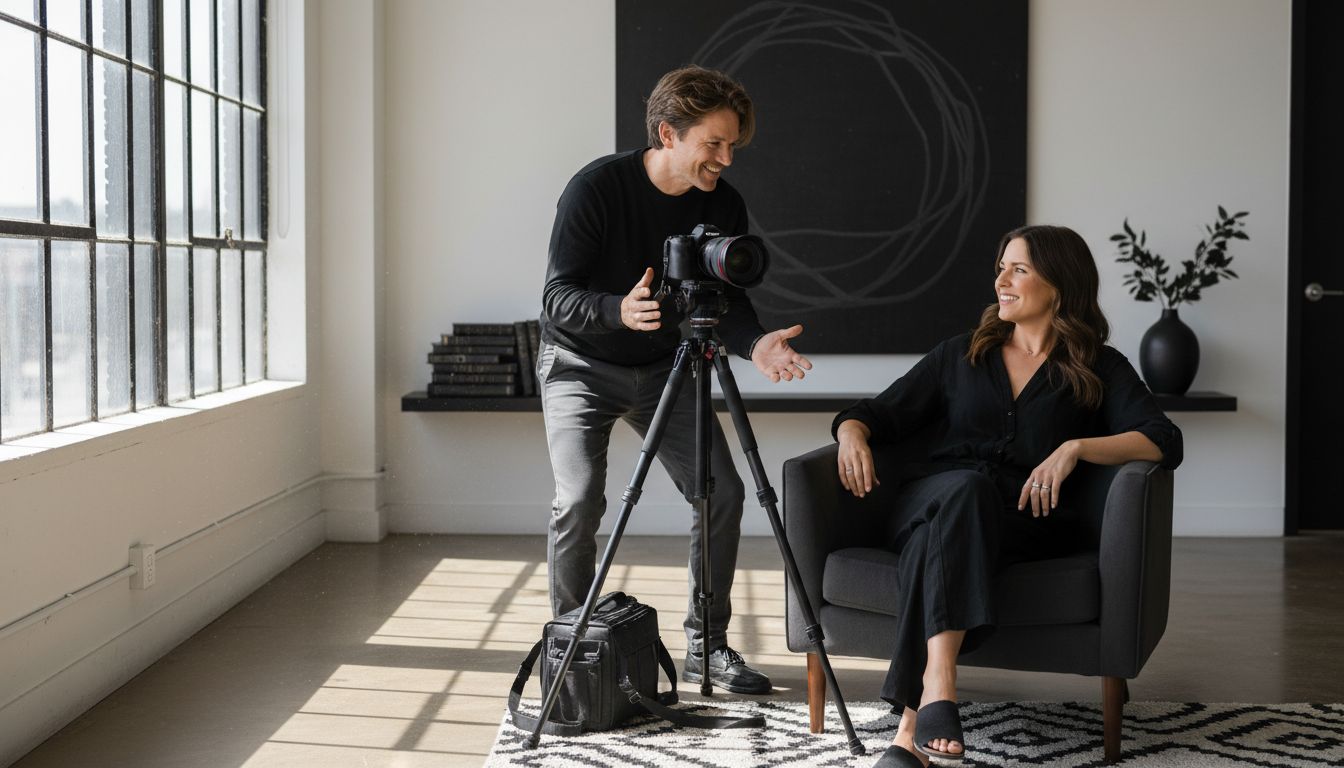
Most american photographers quickly learn that a portrait is not just a picture of a face. In fact, research shows that outstanding portraits reveal glimpses of character and emotion far beyond physical likeness. Misconceptions about equipment and flawless lighting often cloud what truly matters. When you know what defines a powerful portrait and what myths still trip people up, you can focus on the genuine expression and natural story that make every image unforgettable.
Table of Contents
- Defining Great Portraits And Common Myths
- Types Of Portrait Photography Explained
- Key Elements Of Outstanding Portraits
- Techniques For Capturing Authentic Expression
- Common Mistakes To Avoid In Portraits
Key Takeaways
| Point | Details |
|---|---|
| Portraits Convey Depth | Effective portraits reflect emotional resonance and genuine connection, revealing the subject’s character beyond mere appearance. |
| Select Appropriate Styles | Choosing the right portrait style is essential, as it communicates unique narratives about the subject’s experience and essence. |
| Authenticity Matters | Capturing authentic expressions is crucial; photographers should foster a comfortable environment to elicit genuine emotions from subjects. |
| Avoid Common Pitfalls | To create compelling portraits, avoid forced poses, distracting backgrounds, and poor lighting, focusing instead on emotional authenticity and simplicity. |
Defining Great Portraits and Common Myths
A portrait is far more than a simple photograph capturing someone’s physical appearance. According to research from Oxford Academic, portraiture represents a complex interaction between likeness, posing, and artistic interpretation. It’s not just about recording facial features, but about revealing something deeper about an individual’s character, emotions, and inner essence.
Common myths about portraits often lead people astray when considering what makes a truly compelling image. Many believe a great portrait requires perfect lighting, expensive equipment, or a staged studio environment. However, the reality is quite different. As academic studies from Sciendo suggest, meaningful portraits emerge from genuine connection and authentic storytelling.
Key characteristics that define exceptional portraits include:
- Emotional resonance
- Authentic expression
- Thoughtful composition
- Narrative depth
- Subject comfort and natural interaction
Whether capturing a family milestone, professional headshot, or personal branding image, great portraits transcend technical perfection. They communicate something profound about the subject’s humanity. The most memorable portraits invite viewers to pause, connect, and feel a genuine human experience through a single, powerful visual moment.
Types of Portrait Photography Explained
Portrait photography is a diverse and nuanced art form with multiple specialized genres. According to Daisie Blog, photographers can explore various styles that capture different aspects of human experience and personality. These styles range from traditional posed images to more dynamic and narrative-driven approaches.
Research from the JD Institute highlights several distinct portrait photography categories:
- Traditional Portraits: Formal, structured images typically shot in studios
- Environmental Portraits: Subjects photographed in meaningful settings that reflect their profession or lifestyle
- Candid Portraits: Spontaneous images capturing genuine moments and emotions
- Conceptual Portraits: Artistic representations expressing complex ideas or themes
- Fashion Portraits: Stylized images emphasizing aesthetic and visual storytelling
Each portrait style serves a unique purpose and communicates different narratives. While traditional portraits might showcase professional headshots, environmental portraits reveal deeper insights into an individual’s context and personal journey. The key is selecting a style that authentically represents the subject’s essence and captures their most genuine self.
 Senior portraits and couple photography often leverage these diverse approaches to create memorable, personalized visual stories.
Key Elements of Outstanding Portraits
Creating an exceptional portrait goes far beyond simply pointing a camera at a subject. According to research from arXiv, compositional techniques play a critical role in transforming an ordinary photograph into a compelling visual narrative. The strategic use of geometric arrangements, particularly triangular compositions, can dramatically enhance the visual appeal and emotional impact of a portrait.
The subject’s facial expression emerges as another fundamental element of outstanding portraiture. As detailed by Wikipedia, head shots require meticulous attention to the nuanced ways expressions communicate depth and character. Photographers must create an environment where subjects feel comfortable enough to reveal their authentic selves, allowing genuine emotions to shine through.
Key elements that distinguish outstanding portraits include:
- Emotional Authenticity: Capturing genuine feelings and inner essence
- Thoughtful Composition: Strategic framing and visual balance
- Lighting Mastery: Creating depth, mood, and dimension
- Technical Precision: Sharp focus and appropriate exposure
- Storytelling Potential: Revealing subject’s unique narrative
While technical skills matter, truly remarkable portraits transcend technical perfection. They create an intimate visual dialogue between subject and viewer.
Vintage portrait techniques and contemporary approaches both share this fundamental goal: transforming a simple image into a powerful, memorable representation of human experience.
Techniques for Capturing Authentic Expression
Authentic expression in portraiture is an intricate art that goes beyond mere technical skill. Research from Oxford Academic reveals the complex interplay between photographic agency and genuine emotional representation. Photographers must create an environment that allows subjects to feel comfortable, vulnerable, and truly seen.
One critical approach involves establishing genuine rapport with the subject. According to arXiv, capturing authentic expressions requires more than technical manipulation – it demands emotional intelligence and the ability to make subjects feel at ease. This means creating a relaxed shooting environment, using conversational techniques, and allowing natural moments to unfold.
Effective techniques for revealing authentic expression include:
- Candid Interaction: Engaging subjects in real conversation
- Minimal Posing: Allowing natural body language to emerge
- Emotional Triggers: Discussing meaningful personal topics
- Comfortable Environment: Creating a safe, non-judgmental space
- Patient Observation: Waiting for genuine moments of connection
Whether shooting senior portraits or personal branding images, the key is transforming a photographic session from a performance into a genuine human interaction. The most powerful portraits emerge not from perfect poses, but from moments of unguarded, authentic emotional revelation.
Common Mistakes to Avoid in Portraits
Portrait photography is an art form where subtle details can dramatically transform the final image. According to Wikipedia, one of the most critical compositional mistakes involves overcrowding the frame with unnecessary elements that distract from the subject. Photographers must embrace simplicity, ensuring every visual component serves a deliberate purpose in telling the subject’s story.
Lighting and framing represent another crucial area where photographers frequently stumble. As insights from Wikipedia’s still life photography suggest, improper lighting can flatten a portrait’s emotional depth, rendering even the most carefully posed subject lifeless and unengaging. The key is understanding how light interacts with facial contours, creating dimension and revealing personality.
Common portrait photography pitfalls include:
- Forced Poses: Making subjects look uncomfortable and unnatural
- Distracting Backgrounds: Competing visual elements that reduce focus
- Improper Lighting: Harsh shadows or flat, uninteresting illumination
- Neglecting Subject Comfort: Failing to create a relaxed shooting environment
- Technical Overkill: Prioritizing technical perfection over emotional authenticity
Whether creating brand photography or personal portraits, understanding these potential mistakes can transform an average image into a compelling visual narrative. The most successful portraits transcend technical execution, capturing the genuine essence of the individual.

Capture Your Authentic Story with Expert Portrait Photography
Understanding what makes a great portrait is just the first step toward preserving your most meaningful moments. This article highlights the importance of emotional authenticity, thoughtful composition, and genuine connection—elements that can transform any portrait into a powerful story. If you want your portraits to go beyond just pictures and truly reflect who you are, you need a photographer who listens, connects, and captures your natural expression.

At Jodi Blodgett Photography, we specialize in creating portraits that feel both effortless and deeply personal. Whether you are looking for senior portraits that reveal your authentic self or family moments filled with genuine emotion, every session is designed to put you at ease and tell your unique story. Visit our site now to explore how we blend natural light with emotional storytelling and book your personalized session today.
Frequently Asked Questions
What are the key characteristics of great portraits?
Great portraits are defined by emotional resonance, authentic expression, thoughtful composition, narrative depth, and the subject’s comfort and natural interaction.
How can I capture authentic expression in portrait photography?
To capture authentic expression, engage in candid interactions, minimize posing, discuss meaningful personal topics, provide a comfortable environment, and patiently observe moments of connection.
What common mistakes should I avoid when taking portraits?
Common mistakes in portrait photography include forced poses, distracting backgrounds, improper lighting, neglecting subject comfort, and focusing too much on technical perfection instead of emotional authenticity.
What types of portrait photography exist?
There are several types of portrait photography, including traditional portraits, environmental portraits, candid portraits, conceptual portraits, and fashion portraits, each serving distinct purposes and narratives.