

TL;DR:
- Golden hour provides the most flattering natural light for outdoor photography, occurring just after sunrise and before sunset. Blue hour and overcast conditions also offer unique lighting that suits cityscapes, portraits, and macro shots. Proper planning, location, and understanding different lighting effects help achieve the best results regardless of the time of day.
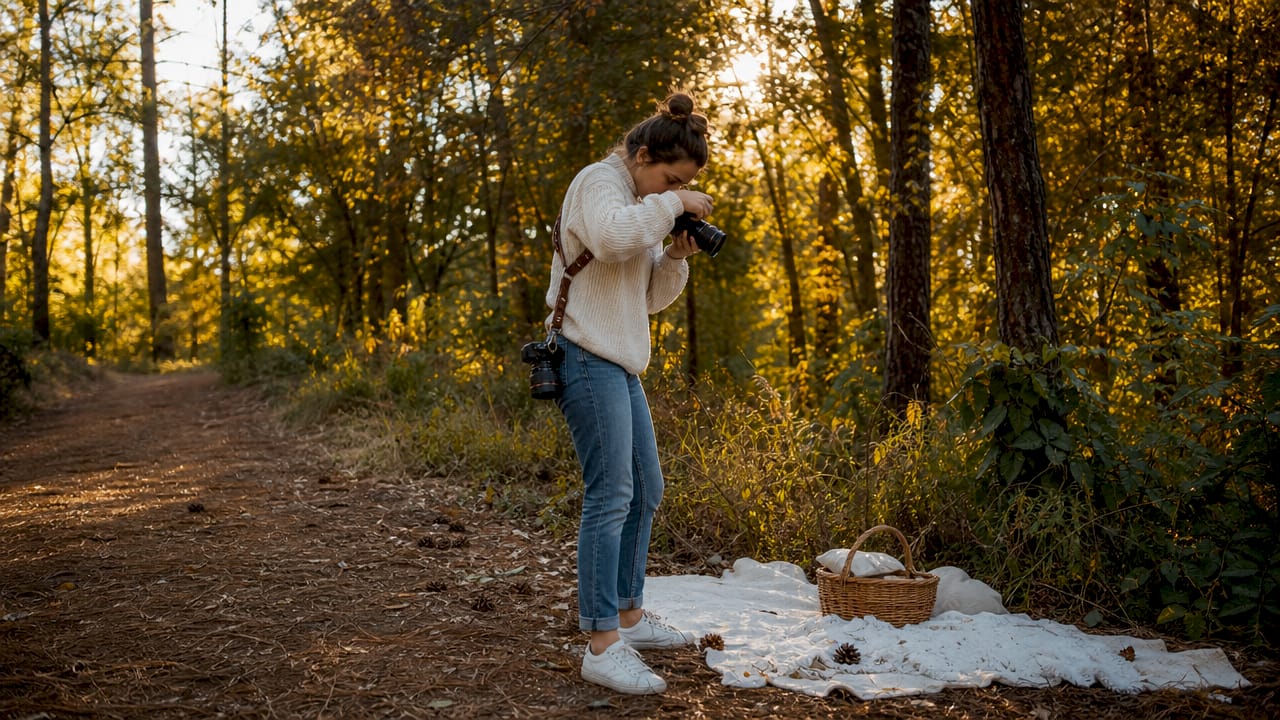
The best time for outdoor photos is the golden hour, the period just after sunrise and just before sunset when sunlight is warm, soft, and travels at a low angle across the scene. Professional photographers call this window the single most reliable source of flattering natural light. The blue hour and overcast daylight are equally worth knowing. Together, these three lighting conditions cover nearly every outdoor photography style, from family portraits to dramatic cityscapes.
What is the best time for outdoor photos?
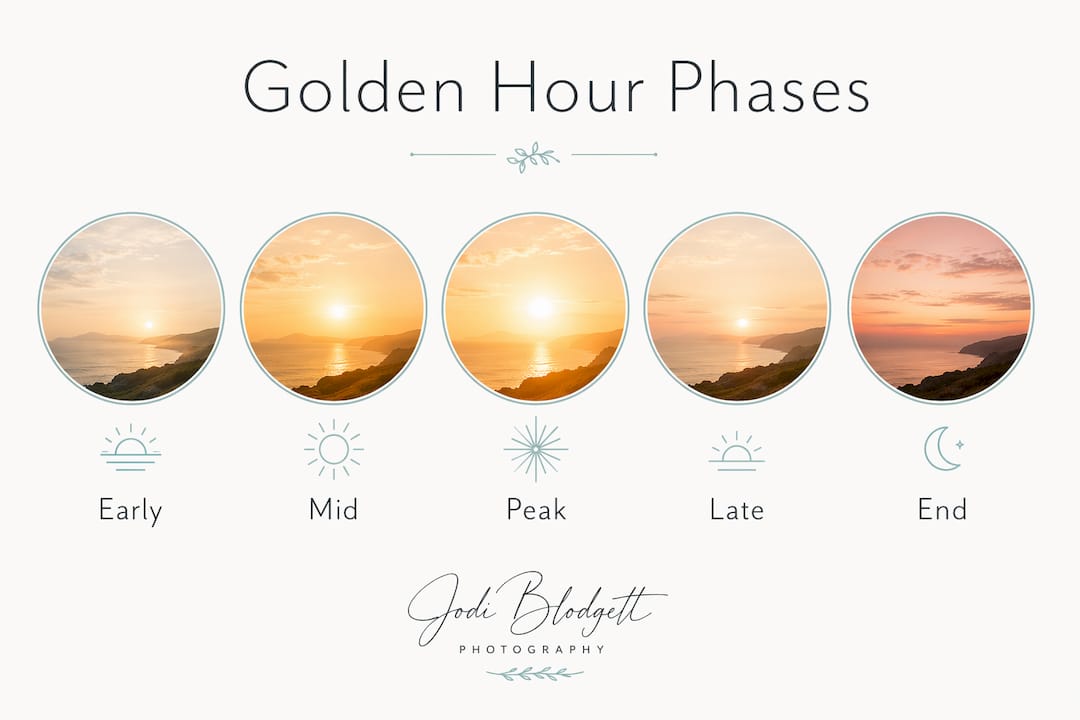
Golden hour is defined as the first 60 minutes after sunrise and the last 60 minutes before sunset, though its actual duration shifts based on where you are and what time of year it is. Near the equator, the window can shrink to 30 minutes. At higher latitudes in summer, it can stretch to 90 minutes. That variability matters because it changes how much time you have to work with.
The light during golden hour is warm, directional, and low in the sky. It wraps around subjects rather than hammering down on them from above. Skin tones look richer, shadows fall softly to the side, and colors gain depth without any editing. For portrait and landscape photographers, this is the most forgiving light the sun produces all day.
The color temperature of natural light) shifts from roughly 2,000 K at dawn and dusk, to about 3,500 K during golden hour, to 5,500 K at solar noon. That shift from warm amber to cool white is exactly why midday portraits look flat and golden hour portraits look cinematic.
The most dramatic colors occur in a very specific window. Peak saturation happens in the last 10 minutes before sunset and the first 10 minutes after sunrise, when the sun sits closest to the horizon. If you want that deep orange glow, those 10 minutes are your target.
| Golden hour phase | Approximate timing | Light quality |
|---|---|---|
| Early golden hour | 30–60 min after sunrise / before sunset | Soft, warm, low contrast |
| Peak golden hour | 10–20 min after sunrise / before sunset | Rich amber, strong warmth |
| Final minutes | Last 10 min before sunset / first 10 after sunrise | Intense orange, dramatic saturation |
| Transition to blue hour | Immediately after sunset / before sunrise | Fading warmth, shifting to cool blue |
Pro Tip: Arrive at your location 15–30 minutes before golden hour begins. Use that time to scout angles, set your white balance, and compose your shot. The light moves fast, and you do not want to spend the best minutes adjusting your tripod.
How do blue hour and overcast conditions influence outdoor photography?
The blue hour is a narrow window that lasts roughly 15–30 minutes before sunrise or after sunset. The sun sits below the horizon, and the sky fills with a cool, even ambient glow. There is no direct sunlight, which means no harsh shadows and no blown highlights.
Blue hour suits specific subjects well:
- Cityscapes and architecture: Artificial lights in buildings and streets balance naturally with the ambient sky, creating a layered, atmospheric look.
- Moody portraits: The cool blue tone adds drama and emotion that warm golden light cannot replicate.
- Reflective surfaces: Water, glass, and wet pavement pick up the blue sky beautifully during this window.
- Long exposures: The low, consistent light level makes it easier to control shutter speed for silky water or light trails.
Overcast days are a different story entirely. Clouds act as a natural soft box, diffusing sunlight evenly across the scene. The result is flat, shadow-free light that works exceptionally well for portraits, macro photography, and moody nature shots. Many portrait photographers actually prefer overcast days to golden hour because the light is consistent and forgiving for an entire session, not just 20 minutes.
The practical advantage of overcast light is flexibility. You can shoot at 10 AM or 2 PM and get nearly identical results. That makes scheduling far easier, especially for family sessions with young children who do not cooperate with 6 AM sunrise calls.
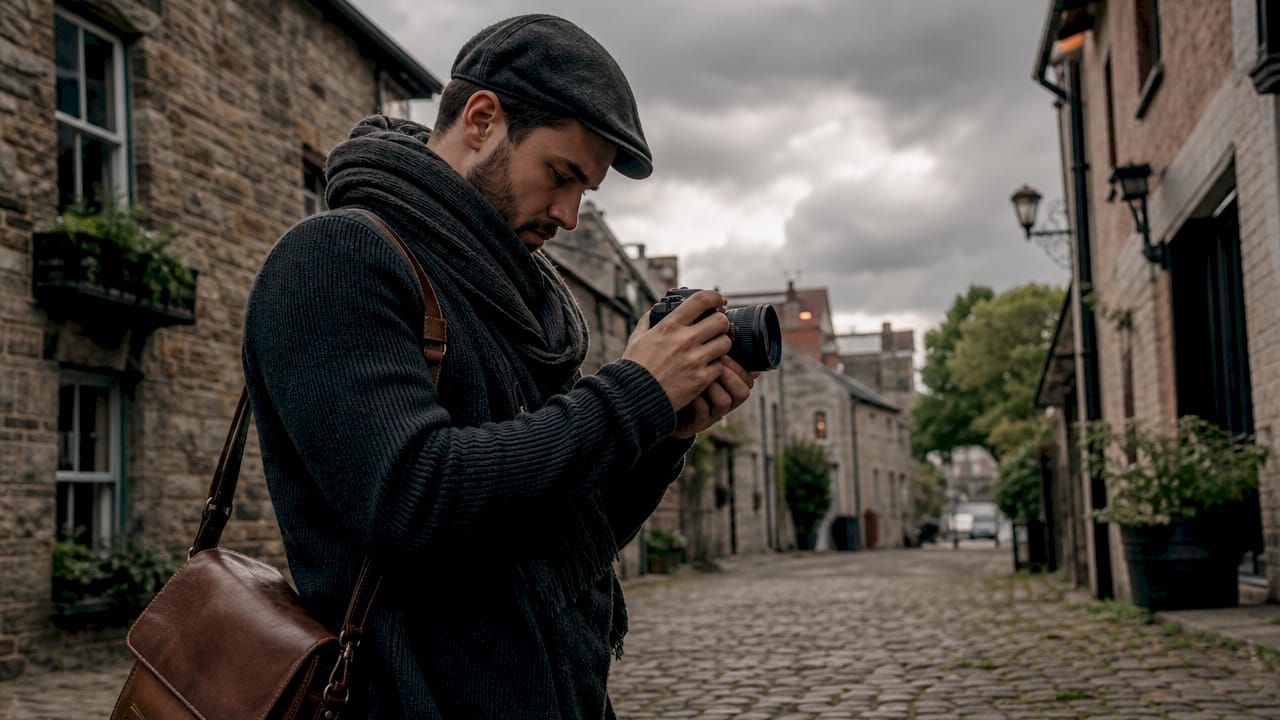
Pro Tip: During blue hour, use a tripod. The light level drops fast, and hand-holding a camera at 1/15 second or slower will produce blur. A remote shutter release or the camera’s self-timer eliminates camera shake entirely.
Why is midday generally less ideal, and how can you manage it?
Midday light, typically between 11 AM and 2 PM, produces harsh vertical sunlight) that creates deep shadows under eyes, noses, and chins. The contrast between lit and shadowed areas is extreme. Highlights blow out on foreheads and shoulders while eye sockets go dark.
The core problems with midday outdoor shooting include:
- Raccoon eyes: Overhead sun casts shadows directly under the brow, making eyes look sunken.
- Blown highlights: Light skin and white clothing lose all detail in direct sun.
- Squinting subjects: People naturally squint in bright overhead light, which ruins expression.
- Flat colors: High color temperature at noon (around 5,500 K) produces a cooler, less saturated look.
That said, midday is not a dead zone. Shade solves most problems immediately. Open shade under a tree or the shadow side of a building gives you soft, even light similar to overcast conditions. A reflector bounced toward the subject’s face fills in shadows without adding harsh light. Fill flash at low power balances the ambient exposure and lifts shadows on faces.
Black and white conversion is another strong option. Midday contrast that looks unflattering in color can become bold and graphic in monochrome. Street photography and architectural work often benefit from the sharp shadows and strong lines that midday produces. The key is choosing the right technique for the light you have, rather than waiting for conditions to change.
How do location, season, and weather shape the best time to shoot outside?
Geography changes everything about outdoor photography timing. Season and latitude directly affect how long golden hour lasts and how high the sun climbs. A photographer in Boston in december has a very different schedule than one shooting in Miami in june.
| Location / season | Golden hour duration | Sun angle at noon | Notes |
|---|---|---|---|
| Equatorial regions (year-round) | 20–30 minutes | Very high | Short windows, plan precisely |
| Mid-latitudes (summer) | 60–90 minutes | High | Long, forgiving golden hour |
| Mid-latitudes (winter) | 30–45 minutes | Low | Entire day has softer light |
| High latitudes (summer) | Up to 90+ minutes | Moderate | Extended golden hour, rare beauty |
Winter in New England, where Jodi Blodgett Photography serves clients across Massachusetts, Connecticut, and Rhode Island, actually produces softer light throughout the day. The sun stays low in the sky even at noon, which means the harsh overhead angle that ruins summer midday shots is largely absent. A 1 PM session in january can look nearly as good as a golden hour session in july.
Weather forecasts are a practical planning tool. Clear skies produce the most dramatic golden hour colors. Partly cloudy skies can add texture and drama to the sky without blocking the warm light entirely. A storm clearing in the late afternoon often produces some of the most spectacular light of the year, as the sun breaks through beneath the cloud layer just before sunset.
Checking a dedicated app like PhotoPills or The Photographer’s Ephemeris gives you the exact sunrise and sunset times, golden hour windows, and sun direction for any location on any date. That level of preparation separates planned, consistent results from lucky accidents.
What are practical tips for planning an outdoor photo session?
Preparation is the single biggest factor in capturing optimal outdoor light. Arriving early, knowing your location, and having your gear ready before the light peaks makes the difference between a session that works and one that wastes the best minutes scrambling.
Common pitfalls and how to avoid them:
- Arriving late: Golden hour waits for no one. Build in 15–30 minutes of buffer time before the window opens.
- Ignoring sun direction: Check which direction the sun sets relative to your location. Shooting with the sun behind your subject creates rim lighting. Shooting toward the sun creates silhouettes. Neither is wrong, but both require intent.
- Wrong white balance: Auto white balance can neutralize the warm tones you came for. Set a manual white balance or shoot in RAW and adjust in post.
- No backup plan for weather: Overcast days are not ruined sessions. Know how to use diffused light and adjust your plan rather than canceling.
- Forgetting subject comfort: For family photo sessions, early morning golden hour is often harder to execute with young children. Late afternoon golden hour tends to align better with family schedules and energy levels.
Subject-specific timing matters too. Landscapes reward early morning golden hour because mist and dew are still present and crowds are thin. Portraits work well in either golden hour window, though late afternoon is warmer in tone. Cityscapes peak during blue hour when building lights activate. Macro photography of flowers and insects works best in the soft, even light of an overcast morning when dew is still on petals and insects are less active.
Pro Tip: For outdoor portraits, position your subject so the sun is slightly behind and to one side. This creates a natural hair light and rim effect that separates them from the background. Use a reflector or fill flash to lift the shadow side of the face.
Key takeaways
The best time of day for outdoor portraits is golden hour, but blue hour and overcast light each serve specific subjects and styles that golden hour cannot replicate.
| Point | Details |
|---|---|
| Golden hour is the primary window | Shoot in the 60 minutes after sunrise or before sunset for warm, flattering light. |
| Blue hour suits atmosphere and cityscapes | Use the 15–30 minute window after sunset for cool, even ambient light. |
| Overcast days offer flexible scheduling | Diffused cloud light stays consistent for hours, ideal for portraits and macro work. |
| Location and season shift your timing | Higher latitudes and winter months extend soft light; equatorial regions compress it. |
| Preparation determines results | Arrive 15–30 minutes early, check sun direction, and set white balance before the light peaks. |
Why timing is only half the equation
Photographers spend a lot of energy chasing the clock, and I understand why. Golden hour is real, and it produces genuinely better light. But after years of shooting outdoors, I have learned that the photographers who get the most consistent results are the ones who understand light quality, not just light timing.
I have had golden hour sessions where the sky was completely flat and the colors never materialized. I have also had overcast sessions at 11 AM that produced some of the most beautiful, emotionally rich portraits I have ever made. The light was soft, the subjects were relaxed, and the images looked like they came from a film set.
The lesson is this: learn what each lighting condition does to your subject, and then choose the time that fits the mood you want. Golden hour gives you warmth and drama. Blue hour gives you atmosphere and mystery. Overcast gives you consistency and softness. None of them is universally superior. The best time for photography is the time that matches your creative intent.
Flexibility matters as much as planning. When unexpected light appears, whether it is a shaft of sun breaking through storm clouds or a fog rolling in at dawn, stop and shoot. Those unplanned moments often produce the images you remember longest.
How Jodi Blodgett Photography works with natural light for your sessions
Jodi Blodgett Photography specializes in outdoor sessions built around natural light, serving families, couples, and individuals across Massachusetts, Connecticut, and Rhode Island. Every session is planned with golden hour timing, weather, and location in mind so that the light works for you, not against you.

Whether you are marking a milestone, celebrating a new arrival, or capturing your family at this exact moment in time, Jodi Blodgett Photography brings the preparation and expertise to make the light count. Explore the full range of milestone photography services to find the session type that fits your story. You can also learn more about golden hour photography to understand exactly what makes these sessions so visually powerful.
FAQ
What is the best time of day for outdoor portraits?
The best time of day for outdoor portraits is golden hour, the 60 minutes after sunrise or before sunset. The warm, low-angle light flatters skin tones and reduces harsh shadows.
How long does golden hour actually last?
Golden hour lasts 30–90 minutes depending on your latitude and the season. Near the equator it can be as short as 20–25 minutes, while higher latitudes in summer can stretch it to 90 minutes or more.
Is overcast weather good for outdoor photography?
Yes. Overcast skies diffuse sunlight evenly, eliminating harsh shadows and blown highlights. This makes cloudy days particularly effective for portraits, macro photography, and soft nature scenes.
What is blue hour and when does it occur?
Blue hour occurs in the 15–30 minutes before sunrise or after sunset, when the sun is below the horizon and the sky glows with cool, ambient light. It is ideal for cityscapes, architecture, and moody atmospheric shots.
Can you take good outdoor photos at midday?
Yes, with the right techniques. Shooting in open shade, using a reflector, or applying fill flash all reduce the harshness of midday light. Black and white conversion also works well when contrast is extreme.
Recommended
- Best Time of Day for Photos: Maximizing Light for Emotional Maternity and Newborn Portraits | Jodi Blodgett Photography
- Best Time for Senior Pictures: A Parent’s Guide | Jodi Blodgett Photography
- Best time for family photos: a New England parent’s guide | Jodi Blodgett Photography
- Timing family photo sessions for natural light in 2026 | Jodi Blodgett Photography