

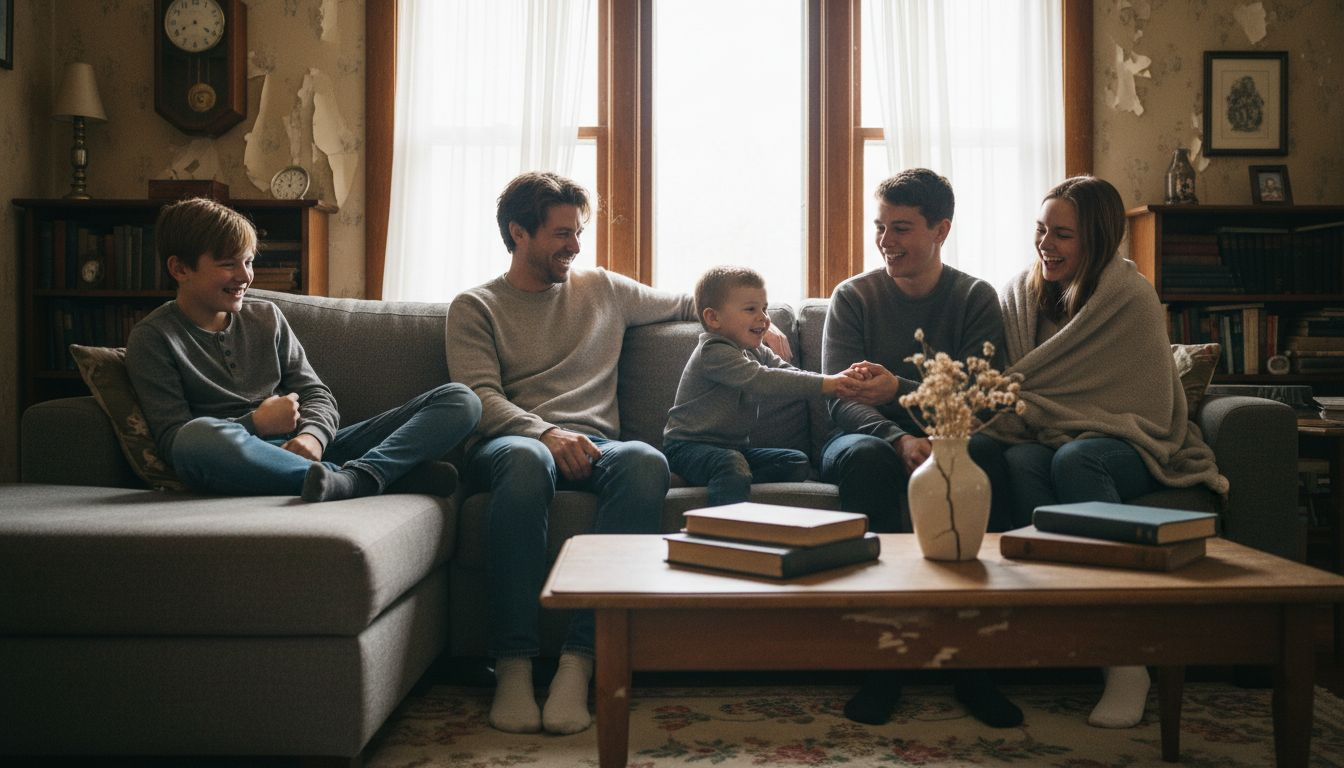
Every american family in Massachusetts deserves more than a simple snapshot to remember their milestones. Studies reveal that over 85 percent of families cherish portraits that highlight genuine connection and emotional stories. As engaged couples and expecting parents seek ways to honor their unique journey, authentic portrait photography offers a meaningful way to preserve moments that matter. Discover why focusing on real interactions rather than stiff poses creates memories your family will treasure for generations.
Table of Contents
- Defining Family Involvement In Portraits
- Major Portrait Styles And Settings
- Emotional Impact And Storytelling
- Best Practices For Genuine Interaction
- Common Mistakes And How To Avoid Them
Key Takeaways
| Point | Details |
|---|---|
| Family Portraits as Collaborative Stories | Authentic family portraits require collaboration and involvement from all members to accurately depict their unique relationships. |
| Emotional Authenticity is Key | Capturing genuine interactions rather than staged moments transforms portraits into meaningful narratives that reflect family dynamics. |
| Flexibility and Comfort Matter | A successful portrait session prioritizes a relaxed environment, allowing natural interactions to occur and building trust among family members. |
| Avoid Technical Perfectionism | Focusing too much on technical precision can hinder emotional expression; aim for candid moments that truly reflect the family’s essence. |
Defining Family Involvement in Portraits
Family involvement in portraits goes far beyond traditional staged photography, representing a profound visual narrative of familial connections and emotional landscapes. Capturing the intricate dynamics of family relationships requires more than simply positioning individuals in front of a camera – it demands an intentional approach that reveals the authentic interactions and underlying bonds between family members.
The core of meaningful family portraiture lies in understanding that each image is a collaborative storytelling process. Researchers have found that true family involvement means creating a space where every member can contribute to the visual representation of their shared experience. Through interactive methods like the Family Life Space, photographers can explore not just physical appearances, but the complex relational and emotional networks that define a family’s unique identity.
Successful family portraits capture more than individual likenesses – they document the evolving narrative of familial connections. Psychological research demonstrates that these portraits serve as powerful visual documents of relationship dynamics, revealing power structures, emotional connections, and the intricate ways family members understand and interact with one another. These images become historical artifacts that tell stories far deeper than mere physical representation.
Pro tip: Before your family portrait session, discuss and plan collaborative moments that showcase your family’s unique interactions and personality dynamics.
Major Portrait Styles and Settings
Portrait photography offers a rich tapestry of styles and settings that capture the essence of family relationships and individual personalities. Contemporary photographic approaches encompass diverse techniques ranging from formal studio compositions to intimate environmental portraits, each providing unique opportunities to document familial connections.
Traditional portrait styles include full-length, half-length, bust, and group portraits, with each format offering distinct narrative possibilities. Different portrait styles enable photographers to explore complex social structures and relationships through carefully considered visual representations. Group and family portraits, in particular, allow for nuanced storytelling that goes beyond individual likenesses, revealing the intricate dynamics of familial interaction.
Environmental portraits stand out as a particularly powerful approach, situating subjects within meaningful contexts that reflect their personal narratives. By integrating family members into spaces that hold significance – whether a family home, a favorite outdoor location, or a shared workspace – photographers can create images that speak to deeper emotional connections and shared histories. These portraits transcend mere documentation, becoming visual narratives that communicate the unique character and spirit of a family.
Pro tip: Select portrait settings that reflect your family’s personality and shared experiences, allowing the environment to become an additional character in your photographic story.
Here’s a comparison of major family portrait styles and their best uses:
| Portrait Style | Typical Setting | Ideal For |
|---|---|---|
| Full-Length | Studio or outdoors | Showcasing body language |
| Half-Length | Studio | Emphasizing relationships |
| Bust (Head & Shoulders) | Studio or home | Highlighting expressions |
| Environmental | Home or meaningful place | Capturing shared family spaces |
| Group | Studio or outdoors | Visualizing family connections |
Emotional Impact and Storytelling
Family portraits transcend simple visual documentation, serving as powerful emotional artifacts that weave complex narratives of human connection. Storytelling techniques in photography enable profound emotional communication, revealing deep insights into family dynamics and shared experiences, capturing moments that speak volumes beyond mere visual representation.
The psychological significance of these visual narratives runs deeper than most people realize. Family stories shared through portraits help individuals understand their place within a larger intergenerational context, strengthening personal identity and sense of belonging. Each photograph becomes a thread in the complex tapestry of family history, preserving not just appearances, but the emotional landscapes that define familial relationships.
Authentic storytelling in family photography requires a nuanced approach that goes beyond staged moments. It demands an intimate understanding of family dynamics, capturing candid interactions, subtle expressions, and unspoken connections that reveal the true essence of familial bonds. These images become more than pictures – they are emotional archives that document love, resilience, struggle, and joy across generations, offering a profound testament to human connection.
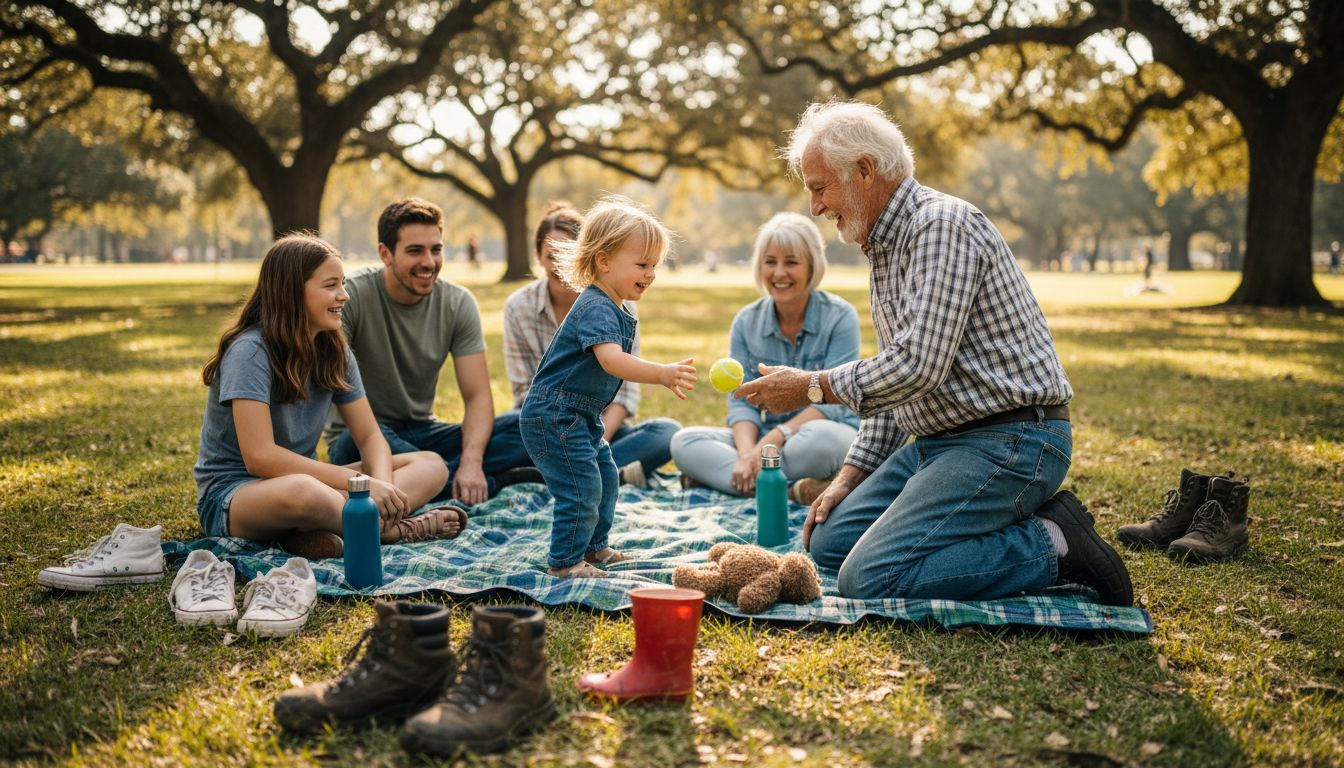
Pro tip: Encourage natural interactions during your portrait session and allow spontaneous moments to unfold, as these genuine exchanges often create the most emotionally powerful images.
Best Practices for Genuine Interaction
Creating authentic family portraits requires more than technical photography skills – it demands a nuanced approach to interpersonal dynamics and emotional connection. Effective engagement involves building trust through mutual respect, sensitivity to individual differences, and intentional strategies that foster genuine interactions. Photographers must become skilled facilitators who can create comfortable environments that allow families to reveal their true selves.
Powerful interactions emerge from a framework of presence, active listening, and emotional attunement. This means moving beyond traditional posing techniques and instead encouraging natural behaviors, playfulness, and moments of spontaneous connection. Successful portrait sessions are less about perfect positioning and more about capturing the unique emotional landscape of each family.
Practical strategies for genuine interaction include collaborative goal-setting, creating comfortable spaces that feel familiar to the family, and using gentle prompts that spark real emotional exchanges. By understanding each family’s unique dynamics, photographers can design experiences that draw out authentic moments – those unscripted interactions that reveal the true depth of familial bonds. This approach transforms portraits from mere visual records into profound emotional narratives that celebrate the complexity of human relationships.
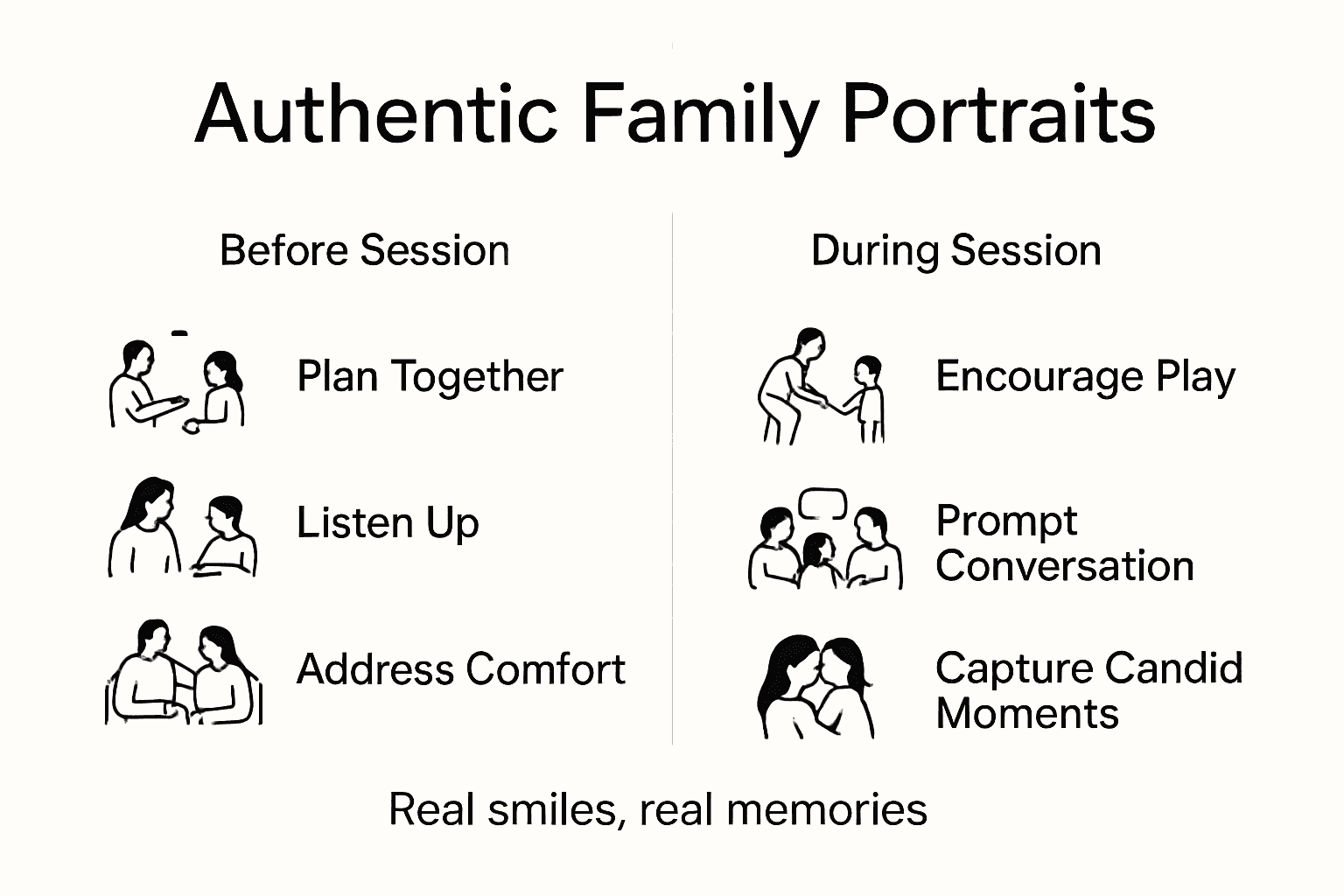
Pro tip: Before the portrait session, spend time talking with family members and understanding their individual personalities, allowing you to create an environment that feels safe and encourages genuine emotional expression.
Common Mistakes and How to Avoid Them
Fundamental errors in family portraiture often stem from prioritizing technical perfection over authentic emotional expression. Many photographers mistakenly focus on rigid posing and perfect composition, inadvertently creating images that feel staged and emotionally distant. These technically precise but soulless photographs fail to capture the true essence of family dynamics, missing the spontaneous interactions and genuine connections that make each family unique.
Navigating the delicate balance between intimacy and respect requires photographers to develop exceptional interpersonal skills and emotional intelligence. Common mistakes include imposing a predetermined narrative, failing to build trust with family members, and not creating a comfortable environment that allows natural interactions to emerge. Successful family portraits demand a flexible approach that prioritizes the subjects’ comfort and emotional authenticity over preconceived photographic ideas.
To avoid these pitfalls, photographers must develop a nuanced understanding of family dynamics. This means learning to read nonverbal cues, creating a relaxed atmosphere, and being willing to abandon planned shots in favor of spontaneous, meaningful moments. Technical skills are important, but they should always serve the larger goal of capturing genuine emotional connections. By approaching each session with empathy, patience, and a willingness to adapt, photographers can transform potential mistakes into opportunities for creating profound, lasting family memories.
The following summary highlights common pitfalls in family portrait sessions and effective solutions:
| Common Mistake | Why It Happens | Solution |
|---|---|---|
| Overly staged poses | Desire for perfection | Encourage spontaneous interactions |
| Ignoring family dynamics | Lack of preparation | Get to know personalities beforehand |
| Rigid session structure | Strict adherence to a shot list | Stay flexible and adapt to moments |
| Neglecting comfort and trust | Focus on equipment, not people | Build rapport before photographing |
Pro tip: Always have a conversation with family members before the shoot, allowing them to share their comfort levels and preferred ways of interacting, which will help you create a more authentic and relaxed photographic experience.
Capture Your Family’s Authentic Bonds with Jodi Blodgett Photography
Families often struggle to express their true connections in photos because staged poses hide genuine emotions. This article highlights how authentic family involvement transforms portraits into meaningful stories revealing real love and interaction. At Jodi Blodgett Photography, we understand the importance of capturing those candid moments that reflect your family’s unique personality and emotional landscape.

Discover how a personalized photography experience can bring out natural smiles, sincere interactions, and heartfelt memories. Visit our Uncategorized | Jodi Blodgett Photography page to explore how we create comfortable sessions that emphasize genuine connections. Ready to preserve your family’s story with warmth and authenticity? Reach out today at https://jodiblodgettphotography.com and take the first step toward timeless portraits filled with real emotion.
Frequently Asked Questions
What is the importance of family involvement in portraits?
Family involvement is crucial because it captures authentic interactions and emotional connections, resulting in portraits that tell a deeper story about familial relationships.
How can I ensure genuine interactions during a family portrait session?
To foster genuine interactions, create a relaxed environment, encourage natural behaviors, and facilitate spontaneous moments rather than rigidly staging poses.
What are some effective portrait styles for families?
Popular portrait styles for families include traditional group portraits, environmental portraits that reflect personal narratives, and candid moments that highlight relationships and emotions.
How do I avoid common mistakes in family portrait photography?
Avoid common pitfalls by focusing on the emotional expressions over technical perfection, building trust with family members, and remaining flexible during the session to capture authentic moments.