

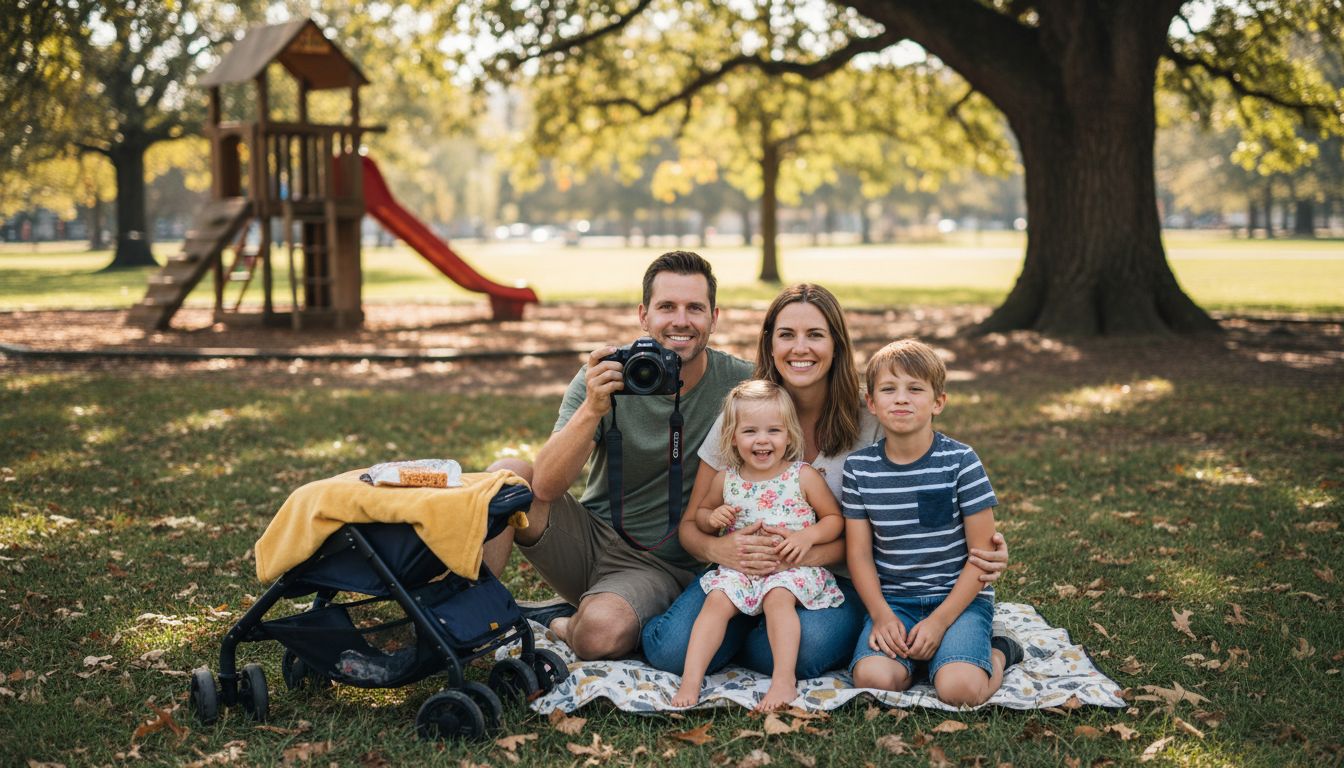
Over 80 percent of American families schedule professional photo sessions each year, yet few realize the critical safety standards that protect every moment captured. Family photography involves much more than snapping beautiful pictures, especially when children or vulnerable subjects are involved. This guide uncovers the essential practices every photographer needs to keep American families safe, comfortable, and confident, highlighting both common risks and advanced strategies that ensure every session runs smoothly.
Table of Contents
- Defining Family Photography Safety Standards
- Identifying Common Risks During Sessions
- Safe Location Choices And Setup Strategies
- Working With Children And Infants Safely
- Weather, Environment, And Allergy Precautions
- Legal, Consent, And Privacy Considerations
Key Takeaways
| Point | Details |
|---|---|
| Establish Safety Standards | Photographers must prioritize physical safety, emotional well-being, and ethical documentation in family photography. This includes obtaining consent and maintaining professional boundaries. |
| Identify and Manage Risks | Anticipating risks related to the physical environment and subject comfort is essential for creating safe photography sessions. Extensive planning and ongoing communication are necessary to ensure a secure environment. |
| Select Safe Locations | Photographers should conduct thorough site assessments before sessions to minimize hazards, ensuring the safety and comfort of all participants. Backup options and environmental considerations should also be part of the planning process. |
| Ensure Legal Compliance | Protecting privacy and securing explicit consent are critical legal responsibilities for photographers. They must understand and communicate the rights and boundaries of all subjects involved in their work. |
Defining Family Photography Safety Standards
Family photography safety encompasses more than just technical skills — it requires a comprehensive approach to protecting subjects, environments, and photographic integrity. Professional photographers must establish clear standards that prioritize physical safety, emotional well-being, and ethical documentation.
Photography safety involves multiple critical dimensions. Park guidelines from the National Park Service highlight the importance of maintaining safe distances when capturing images, especially in dynamic environments. This principle extends beyond wildlife photography into family sessions, where photographers must carefully assess potential risks and create secure shooting conditions. Considerations include selecting appropriate locations, managing equipment safely, and ensuring subjects feel comfortable throughout the session.
Key safety standards for family photography include:
- Obtaining proper consent and releases from all participants
- Selecting child-friendly and secure shooting environments
- Using age-appropriate photography techniques
- Maintaining professional boundaries and ethical documentation practices
The National Museum of Computing’s documentation policies underscore the critical importance of consent and supervision, especially when photographing children or vulnerable individuals. Professional photographers must develop comprehensive protocols that protect their subjects’ privacy, dignity, and emotional well-being while creating memorable, high-quality images.
Identifying Common Risks During Sessions
Family photography sessions involve numerous potential risks that photographers must anticipate and proactively manage. Understanding these risks is crucial for creating safe, professional environments that protect both subjects and photographers during the shooting process.
National Park Service guidelines reveal critical safety considerations during photography sessions, highlighting how seemingly minor oversights can lead to significant safety challenges. These risks extend beyond outdoor environments into studio and location-based photography settings, requiring comprehensive risk assessment strategies.
Common risks during family photography sessions include:
- Physical environment hazards
- Equipment-related safety concerns
- Potential emotional distress for subjects
- Unexpected health and mobility challenges
- Lighting and technical equipment risks
The EAGLE program’s documentation emphasizes the importance of identifying potential safety vulnerabilities, particularly when working with children, elderly individuals, or those with special needs. Professional photographers must develop nuanced strategies that anticipate potential challenges, ensure subject comfort, and maintain a secure shooting environment. This approach requires careful planning, continuous communication, and a proactive mindset toward preventing potential safety incidents.
Safe Location Choices and Setup Strategies
Location selection is a critical component of family photography safety, requiring careful consideration of environmental conditions, potential hazards, and subject comfort. Professional photographers must approach location scouting with a comprehensive safety mindset that prioritizes both aesthetic quality and physical well-being.
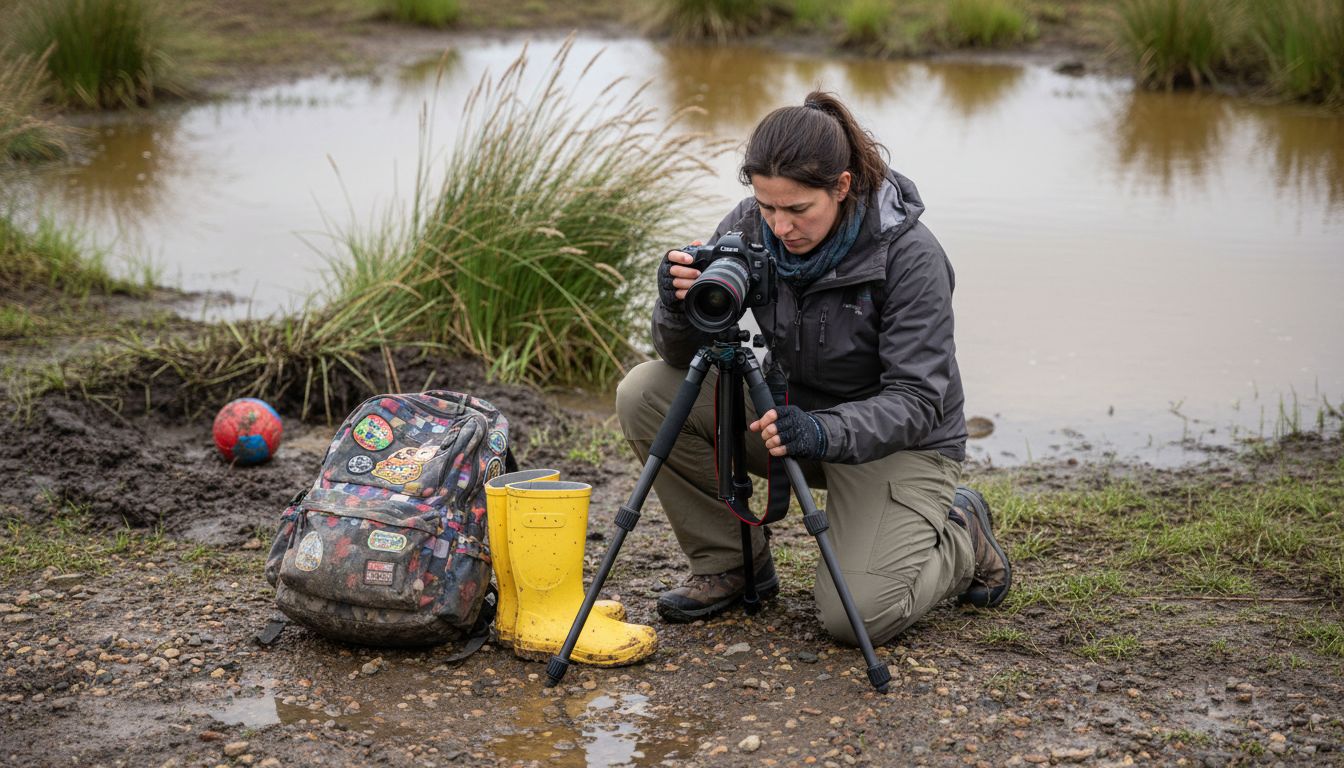
National Park Service guidelines emphasize the importance of selecting locations with stable terrain and minimal environmental risks, a principle that extends far beyond wilderness photography. When choosing shooting locations, photographers should conduct thorough site assessments that evaluate potential challenges such as uneven ground, slippery surfaces, extreme temperatures, and unexpected obstacles that could compromise subject safety.
Key strategies for safe location selection include:
- Conducting advance site reconnaissance
- Identifying potential physical hazards
- Ensuring adequate lighting and visibility
- Preparing backup location options
- Checking weather conditions and environmental factors
The U.S. Fish & Wildlife Service recommends prioritizing locations with stable footing and minimal distractions, which allows photographers to create a controlled, secure environment for family sessions. This approach involves careful planning, adaptability, and a proactive stance toward managing potential risks. Professional photographers must balance creative vision with practical safety considerations, creating memorable images while maintaining the highest standards of subject protection and comfort.
Working With Children and Infants Safely
Child photography requires exceptional sensitivity, professional expertise, and a comprehensive understanding of safety protocols. Photographers must approach sessions with children and infants as delicate interactions that demand careful planning, emotional intelligence, and unwavering commitment to subject protection.
Ntataise guidelines emphasize the critical importance of protecting children’s privacy and obtaining appropriate parental consent, establishing fundamental ethical standards for working with young subjects. This approach goes beyond technical photography skills, requiring photographers to develop nuanced strategies that prioritize the emotional and physical well-being of children throughout the entire photographic process.
Key safety strategies for photographing children and infants include:
- Obtaining comprehensive written parental consent
- Ensuring constant adult supervision
- Creating comfortable, non-threatening environments
- Using age-appropriate communication techniques
- Maintaining professional boundaries at all times
The Church of Ireland’s safeguarding guidelines underscore the necessity of implementing rigorous safety protocols, highlighting that child photography is a profound responsibility requiring meticulous attention to ethical and legal considerations. Professional photographers must cultivate an approach that balances creative expression with absolute respect for the vulnerability of young subjects, creating meaningful images while maintaining the highest standards of safety and consent.
Weather, Environment, and Allergy Precautions
Environmental preparedness represents a critical dimension of family photography safety, requiring photographers to anticipate and mitigate potential risks associated with changing weather conditions, outdoor environments, and individual health sensitivities. Professional photographers must develop comprehensive strategies that protect subjects from unexpected environmental challenges.
National Park Service guidelines emphasize the importance of thorough environmental assessment before and during photography sessions, highlighting the need for constant awareness of potential weather-related risks. This approach involves detailed pre-session planning, understanding local environmental conditions, and maintaining flexible strategies that can adapt to sudden changes in temperature, humidity, and atmospheric conditions.
Key environmental and allergy precautions include:
- Conducting comprehensive location environmental assessments
- Checking detailed weather forecasts
- Identifying potential allergen sources
- Preparing emergency weather protection equipment
- Understanding individual subject health sensitivities
- Maintaining flexible shooting schedules
The U.S. Fish & Wildlife Service recommends proactive environmental monitoring to ensure subject comfort and safety, recognizing that successful photography requires more than technical skill. Professional photographers must balance creative vision with meticulous attention to environmental factors, creating a protective framework that allows subjects to feel secure and comfortable throughout the entire photographic experience.
Legal, Consent, and Privacy Considerations
Privacy protection represents a fundamental ethical and legal responsibility in family photography, demanding comprehensive strategies that safeguard the rights and dignity of all photographic subjects. Professional photographers must navigate complex legal landscapes while maintaining transparency, respect, and clear communication throughout the documentation process.
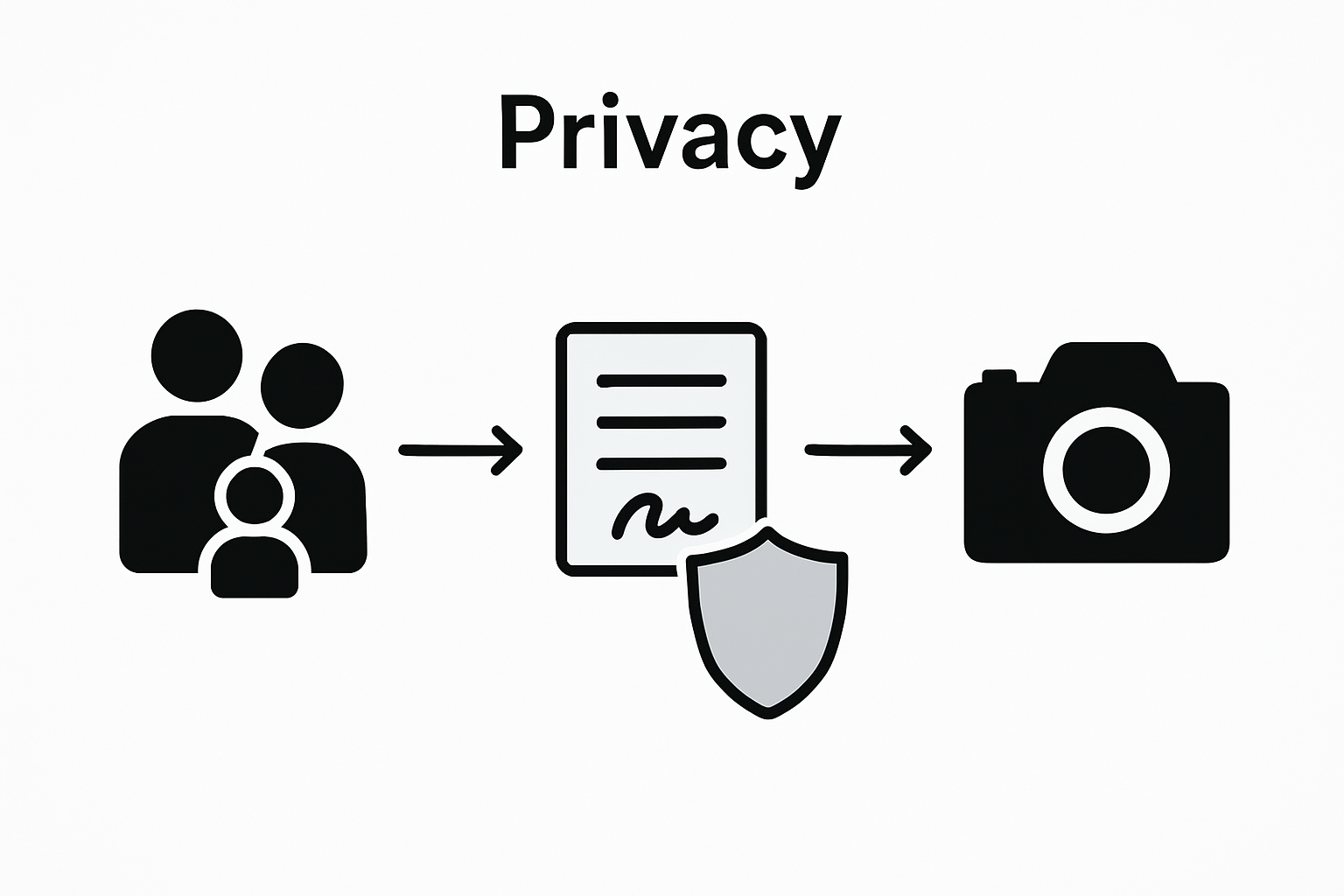
Ntataise guidelines provide critical insights into obtaining explicit consent and managing privacy concerns, emphasizing the importance of proactive communication with subjects and their guardians. This approach goes beyond simple permission, requiring photographers to develop nuanced understanding of legal and ethical boundaries that protect individuals’ personal information and image rights.
Key legal and consent considerations include:
- Developing comprehensive written consent forms
- Clearly explaining image usage rights
- Protecting subject identities in digital environments
- Establishing transparent image storage and deletion protocols
- Understanding local legal requirements for photography
- Maintaining strict confidentiality standards
The Church of Ireland’s safeguarding guidelines reinforce the critical importance of responsible image management, highlighting that legal compliance is an ongoing process requiring constant vigilance and professional integrity. Professional photographers must view consent and privacy not as bureaucratic obligations, but as fundamental ethical commitments that demonstrate genuine respect for their subjects’ personal boundaries and autonomy.
Ensure Every Family Moment Is Captured Safely and Beautifully
Family photography safety is essential to protect your loved ones and create lasting memories free from worry. This article highlights critical aspects like obtaining proper consent, choosing safe locations, and managing emotional comfort all to safeguard your family during every session. At Jodi Blodgett Photography, we share your goal of preserving precious moments responsibly while capturing authentic emotions in natural light.
Explore our commitment to creating secure, warm environments tailored for families by visiting our Uncategorized | Jodi Blodgett Photography where safety and artistry come together.

Ready to document your family milestones with care and professionalism? Book a session today at Jodi Blodgett Photography and experience photography that values your family’s safety and privacy. Plus, don’t miss out on our High-Quality Family Photo Album Printing Services | Jodi Blodgett Photography to treasure your images forever.
Frequently Asked Questions
What are the key safety standards to consider when doing family photography?
Key safety standards for family photography include obtaining proper consent and releases from all participants, selecting safe and child-friendly shooting environments, using age-appropriate photography techniques, and maintaining professional boundaries while documenting.
How can photographers ensure the safety of children during sessions?
Photographers can ensure children’s safety by obtaining comprehensive written parental consent, ensuring constant adult supervision, creating comfortable environments, using age-appropriate communication, and maintaining professional boundaries to protect the children’s well-being during the session.
What precautions should I take regarding the weather during a family photography session?
It’s important to conduct thorough environmental assessments, check detailed weather forecasts, identify potential allergen sources, prepare emergency weather protection equipment, and maintain flexibility in shooting schedules to adapt to changing environmental conditions.
What legal considerations should photographers keep in mind regarding privacy and consent?
Photographers must develop comprehensive written consent forms, clearly explain image usage rights, protect subject identities in digital environments, establish transparent image storage and deletion protocols, and understand local legal requirements around photography.
Recommended
- Why Newborn Photos Matter: Complete Guide for Families | Jodi Blodgett Photography
- Can You Use Flash Photography With Newborns? Shedding Light on the Safety
- Family Photography Sessions: Answers to Top FAQs | Jodi Blodgett Photography
- Essential Newborn Photography Tips for Parents and Families 2025 | Jodi Blodgett Photography