

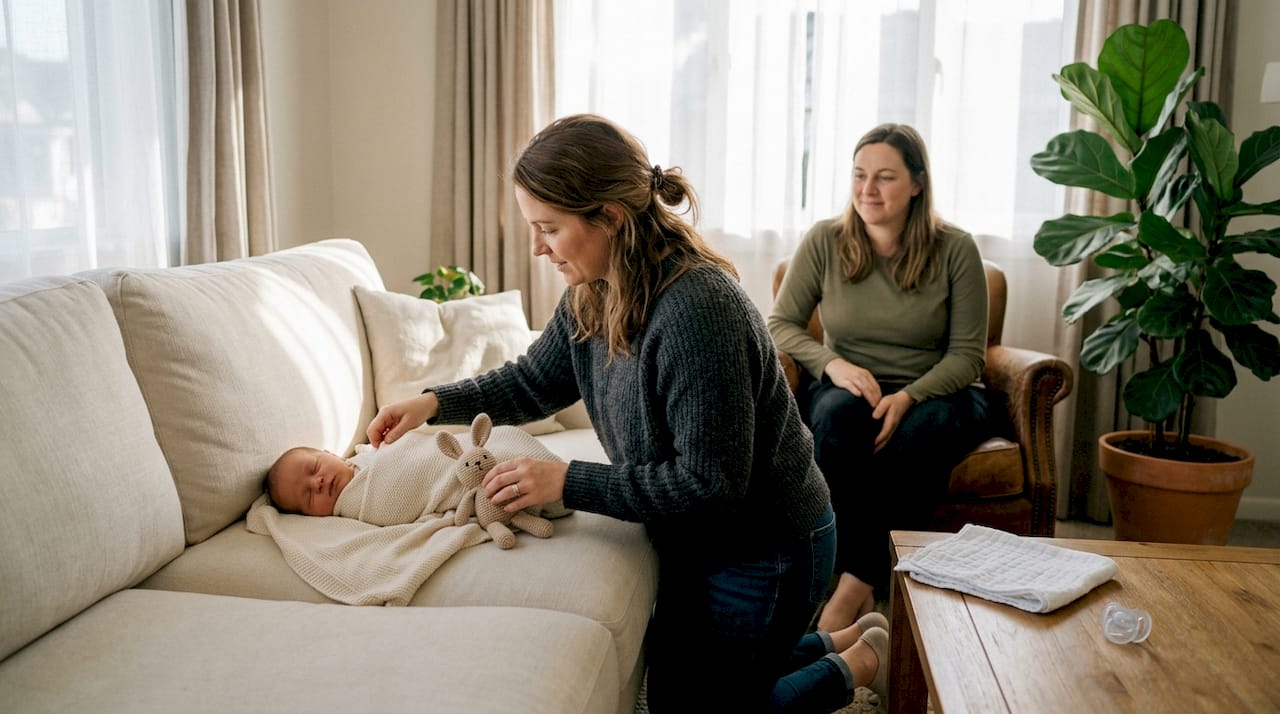
Expecting a baby brings excitement and countless questions, especially about capturing those fleeting first moments. You might wonder if newborn photography is safe, when to schedule a session, or how to choose the right photographer. Many parents hesitate, unsure whether professional photos are worth the investment or if they can safely pose their baby themselves. This guide walks you through everything you need to know about newborn photography in Massachusetts, Connecticut, and Rhode Island, from understanding what happens during a session to selecting a qualified professional who prioritizes your baby’s safety and comfort.
Table of Contents
- Key takeaways
- Understanding newborn photography: What it is and why it matters
- The newborn photography session: What to expect and how to prepare
- Choosing a newborn photographer in Massachusetts, Connecticut, and Rhode Island
- After the session: What happens to your newborn photos and how to preserve memories
- Capture your newborn’s first moments with expert photography
- Frequently asked questions
Key Takeaways
| Point | Details |
|---|---|
| Safety first | Professional newborn sessions keep babies safe and comfortable through trained positioning and planned breaks for feeding and soothing. |
| Ideal timing window | Scheduling within the first fourteen days takes advantage of deep sleep and easier posing before babies become more alert. |
| Choose qualified photographers | Selecting a photographer with infant safety training and specialized certification reduces risk and provides peace of mind. |
| Two to four hour sessions | A typical session lasts two to four hours with built in time for feeding, diaper changes, and soothing. |
Understanding newborn photography: What it is and why it matters
Newborn photography refers to specialized photo sessions designed to capture babies within their first two weeks of life. These sessions focus on documenting the delicate features, tiny details, and peaceful expressions that change rapidly as your baby grows. Professional photographers create artistic images while maintaining your infant’s safety and comfort as the top priority.
Many parents assume newborn photography carries significant risks, but professional sessions are remarkably safe. Accident rates stand at just 0.01%, making professional photography sessions statistically safer than routine activities like bathing your newborn. Trained photographers understand infant physiology, proper positioning, and safety protocols that protect your baby throughout the session.
The emotional value of these images extends far beyond the session itself. Newborn photos become treasured family heirlooms that document a fleeting period you can never recreate. Your baby’s features, expressions, and size change dramatically within weeks, making these early photographs irreplaceable memories.
Professional newborn photography in New England combines technical expertise with artistic vision to create timeless portraits. Photographers use specialized equipment, props, and lighting designed specifically for infant sessions. They understand how to work with newborns’ natural rhythms, adjusting the session pace to accommodate feeding, diaper changes, and soothing breaks.
Several misconceptions prevent parents from booking professional sessions:
- DIY posing attempts can stress or injure babies without proper training and support techniques
- Many assume all photographers have newborn safety training, but specialized certification matters
- Parents often underestimate how quickly newborn features change, missing the optimal timing window
- Some believe smartphone cameras can replicate professional lighting and composition quality
Choosing a trained professional over attempting DIY newborn poses protects your baby from potential harm. Professional photographers invest in ongoing education about infant safety, proper positioning, and recognizing stress signals. They never force poses or prioritize aesthetics over your baby’s wellbeing.
The newborn photography session: What to expect and how to prepare
Timing your session correctly makes a significant difference in the final results. The first 14 days after birth represent the ideal window because newborns naturally sleep deeply and curl into the womb positions that create those classic portraits. Babies remain more flexible during this period, allowing gentle positioning that becomes difficult as they grow more alert and active.
A typical professional newborn session unfolds over two to four hours, though the actual photography time comprises only a portion of that period. Your photographer builds in ample time for feeding, diaper changes, and soothing breaks. The session pace follows your baby’s needs rather than a rigid schedule, ensuring comfort and safety throughout.
The session flow typically includes these stages:
- Initial setup where the photographer adjusts lighting and prepares props while you settle your baby
- Wrapped or swaddled poses that provide security and warmth for your newborn
- Naked poses on soft fabrics, with careful temperature control to keep your baby comfortable
- Parent and sibling photos incorporating family members into select portraits
- Final detail shots capturing tiny features like fingers, toes, and eyelashes
- Closing consultation to discuss your favorite setups and next steps
Pro Tip: Feed your baby right before the session begins to maximize sleepiness and contentment during posing.
Preparing for your session involves simple steps that significantly improve the experience. Keep your home warm, around 75 to 80 degrees, since newborns lose body heat quickly when undressed. Dress your baby in loose clothing without elastic or tight bands that leave marks on delicate skin. Bring a pacifier even if you don’t typically use one, as it helps soothe babies between poses.
Your photographer handles all safety aspects during positioning. They never leave babies unsupported or place them in unstable poses. Many seemingly precarious images actually involve composite photography, where the photographer digitally combines multiple safe shots. Professional accident rates remain extraordinarily low because trained photographers prioritize infant safety over artistic ambition.
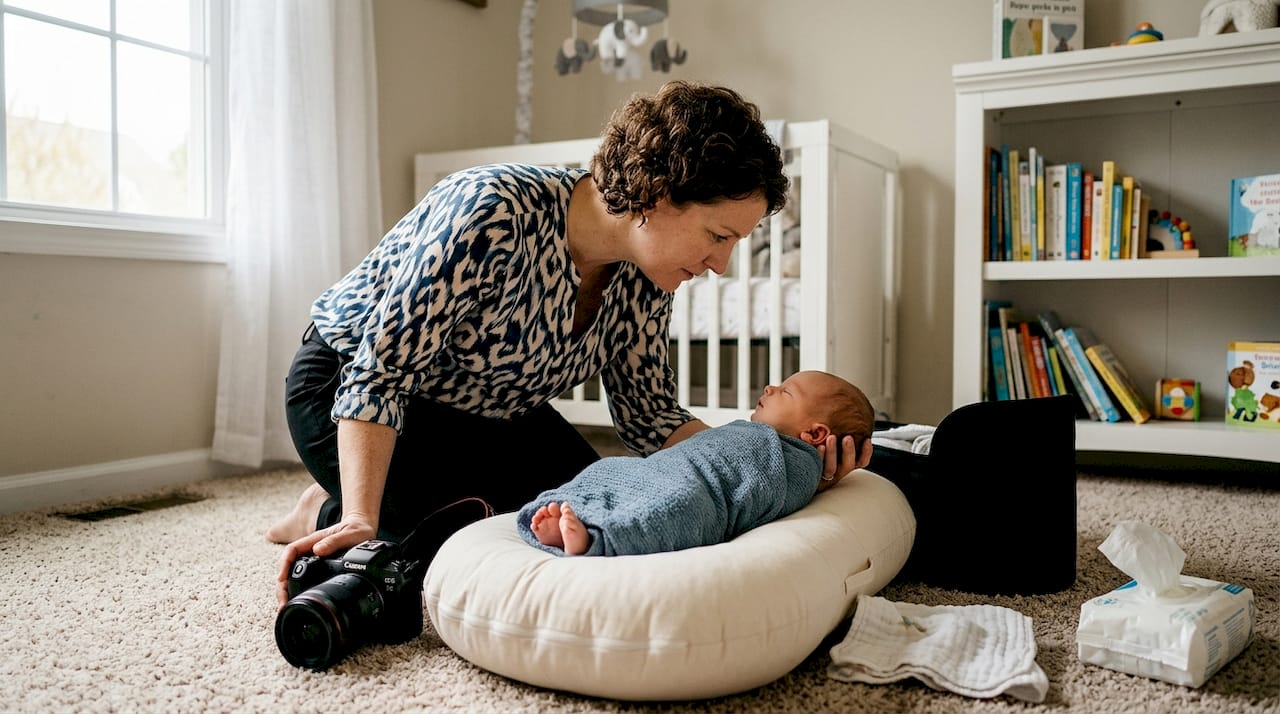
Understanding how to prepare for a newborn photoshoot helps you feel confident and ready. Review your photographer’s step by step preparation guide well before your session date. Patience and flexibility during the session yield the best results, as rushing or forcing poses creates stress for everyone involved.
Choosing a newborn photographer in Massachusetts, Connecticut, and Rhode Island
Selecting the right photographer protects your baby and ensures beautiful results you’ll treasure for decades. Not all photographers possess the specialized training required for safe newborn posing. Evaluating credentials, experience, and approach helps you identify qualified professionals who prioritize infant safety.
Examine portfolios carefully for consistency and style. A strong newborn portfolio demonstrates varied poses, lighting techniques, and the ability to work with babies of different skin tones and features. Look for natural expressions rather than forced or uncomfortable positions. The portfolio should showcase the photographer’s technical skill while revealing their gentle approach to working with infants.
When choosing a newborn photographer, ask these essential questions:
- What specialized newborn safety training or certifications have you completed?
- How do you handle temperature control and infant comfort during sessions?
- Can you explain your approach to composite images versus single shot poses?
- What happens if my baby becomes fussy or uncomfortable during the session?
- How many newborn sessions do you photograph annually?
- Do you carry liability insurance specific to newborn photography?
Pro Tip: Request references from recent clients with newborns similar in age to when you plan to schedule your session.
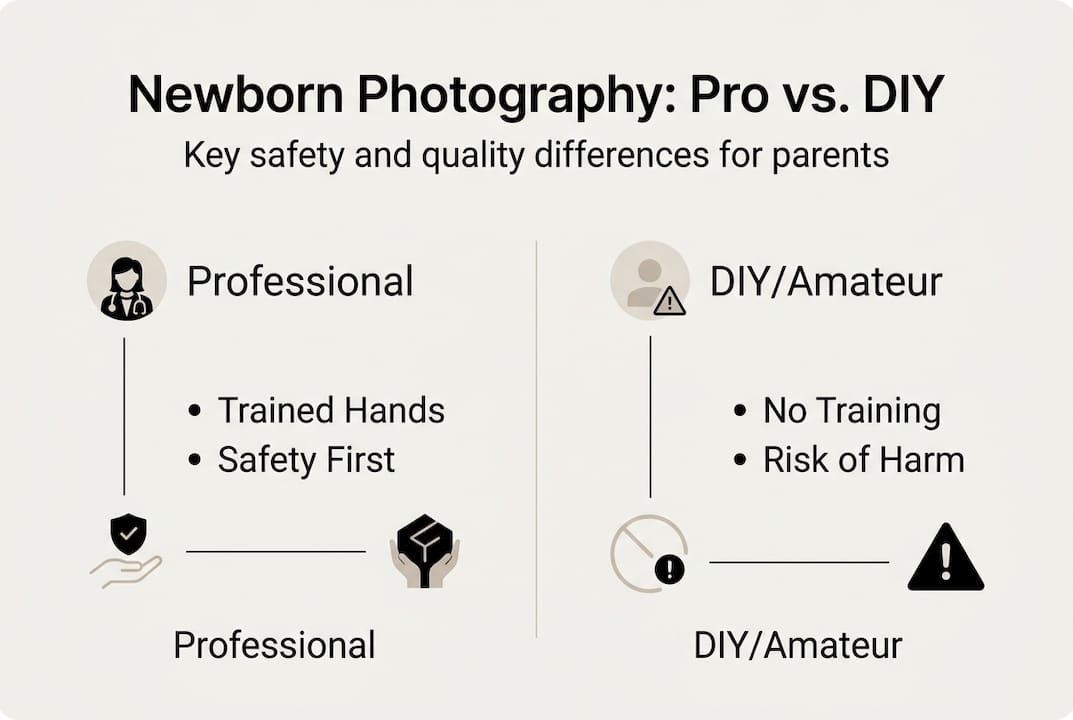
The difference between professional and amateur newborn photography extends beyond image quality. This comparison illustrates key distinctions:
| Feature | Professional newborn photographer | Amateur or DIY approach |
|---|---|---|
| Safety training | Certified in newborn posing and infant safety protocols | Limited or no specialized training |
| Session duration | Flexible 2-4 hours accommodating baby’s needs | Rushed timeline risking baby’s comfort |
| Equipment | Specialized props, lighting, and safety supports | Basic camera and household items |
| Posing knowledge | Understands infant physiology and stress signals | May attempt unsafe positions from online tutorials |
| Insurance coverage | Professional liability protecting clients | No coverage for potential incidents |
Local photographers familiar with New England families understand regional preferences and seasonal considerations. They know how to work with the natural light conditions typical in Massachusetts, Connecticut, and Rhode Island homes. Choosing a nearby professional also simplifies logistics during those exhausting early weeks with a newborn.
Recognize red flags indicating insufficient experience or unsafe practices. Photographers who rush sessions, force uncomfortable poses, or dismiss your concerns about your baby’s comfort lack the professional approach newborn photography requires. Anyone unwilling to discuss their safety training or provide client references deserves skepticism.
The statistics support choosing trained professionals over DIY attempts. Professional newborn photography maintains accident rates below 0.01%, demonstrating that proper training and safety protocols effectively protect infants. Understanding how to choose a family photographer with newborn expertise ensures you select someone qualified for this specialized work.
Searching for baby photography near me helps you identify local professionals serving your area. Prioritize photographers who demonstrate genuine passion for working with newborns and families, as their patience and care directly impact your session experience.
After the session: What happens to your newborn photos and how to preserve memories
The photography process continues well beyond your session day. Professional photographers invest significant time editing and perfecting your images to deliver polished, timeless portraits. Understanding the post-session workflow helps you anticipate timelines and make informed decisions about your final products.
Most photographers present a curated gallery of edited images within two to four weeks after your session. You’ll review these photos and select your favorites for prints, albums, or digital files. The editing process includes color correction, skin smoothing, and removing temporary blemishes while maintaining your baby’s natural features and expressions.
Delivery formats vary by photographer but typically include:
- High resolution digital files for printing and sharing
- Professional prints in various sizes from wallet to wall art dimensions
- Custom designed albums showcasing your favorite images in a cohesive layout
- Canvas wraps or framed prints ready to display in your home
- Digital slideshows set to music for sharing with distant family members
Preserving your newborn photos requires both physical and digital strategies. Print your favorite images on archival quality paper and store them in acid free albums away from direct sunlight and humidity. Create multiple digital backups on external drives and cloud storage services to protect against device failure or data loss.
Sharing memories with family and friends becomes easier with digital galleries and social media, but consider privacy carefully. Many parents create private online albums accessible only to selected family members rather than posting publicly. This approach lets you share precious moments while maintaining control over your baby’s digital footprint.
Your newborn photos mark just the beginning of documenting your family’s journey. Consider scheduling follow-up sessions at meaningful milestones like sitting up, first birthday, or seasonal family portraits. These regular sessions create a visual timeline showing how your family grows and changes together.
Learning how to book a photo session before your baby arrives ensures you secure your preferred photographer’s availability. Many photographers book newborn sessions during pregnancy since their calendars fill quickly, especially during popular months.
Capture your newborn’s first moments with expert photography
Your baby’s earliest days pass quickly, making professional documentation invaluable for preserving these precious memories. Working with an experienced photographer who understands newborn safety and specializes in infant portraiture ensures beautiful results without compromising your baby’s wellbeing.

Professional photographers serving Massachusetts, Connecticut, and Rhode Island combine technical expertise with genuine care for your family’s comfort and satisfaction. They handle all the details, from safety protocols to artistic composition, letting you relax and enjoy this special time with your newborn. Booking your session early, ideally during pregnancy, guarantees availability with your preferred photographer.
Explore comprehensive photography services designed specifically for growing families in New England. From newborn portraits to family milestones, professional photographers create timeless images you’ll treasure for generations. Ready to preserve your family’s story? Submit a photography inquiry to discuss your vision and book your session with confidence.
Frequently asked questions
What is newborn photography?
Newborn photography captures babies during their first two weeks of life through specialized portrait sessions. Professional photographers create artistic images highlighting tiny features, peaceful expressions, and delicate details that change rapidly as babies grow. These sessions prioritize infant safety and comfort while producing timeless family heirlooms.
When is the best time to schedule a newborn photography session?
The ideal window falls within the first 14 days after birth when babies naturally sleep deeply and maintain the flexibility for gentle positioning. Early sessions ensure safer posing and more cooperative baby behavior since newborns remain calmer and more comfortable during this period. Booking during pregnancy secures your preferred photographer’s availability. Learn more about optimal timing for newborn photography to plan your session effectively.
Is newborn photography safe for my baby?
Professional newborn photography maintains accident rates at just 0.01%, making it statistically safer than routine newborn care activities like bathing. Experienced photographers complete specialized safety training and use proper support techniques to protect infants throughout sessions. Parents should avoid DIY posing attempts and always choose certified professionals who prioritize baby wellbeing over aesthetics. Review essential newborn photography safety tips before your session.
How do I choose the right newborn photographer in New England?
Evaluate portfolios for consistent quality and natural infant expressions while confirming specialized safety certifications and training. Ask detailed questions about posing techniques, session flexibility, and how photographers handle baby discomfort or fussiness. Local photographers familiar with Massachusetts, Connecticut, and Rhode Island families understand regional preferences and offer convenient access during your postpartum recovery. Follow this guide for choosing a qualified newborn photographer in your area.